Should You Get a Mold Inspection Before Buying a House?
Buying a home is a major financial and emotional decision.
Research shows many buyers skip or underinvest in pre-purchase checks, leaving them vulnerable to hidden defects and unexpected expenses.
This guide explains why mold testing is crucial. We'll cover what inspectors look for, how a mold inspection differs from a standard home inspection, what next steps to take if mold is found, and how to choose a reputable remediation company.
TL;DR — Should You Get a Mold Inspection Before Buying a House?
- Mold inspections find hidden growth and moisture issues that general home checks can miss
- Early detection protects health, cuts repair costs, and boosts your negotiating leverage
- Inspectors use visual checks, moisture meters, infrared, and air/surface samples
- If mold is found, fix the moisture source first and hire licensed remediation
- In Gwinnett County and Duluth, pick certified, well-reviewed pros with written scopes
What Is a Mold Inspection and How Does It Differ from a Home Inspection?
A mold inspection focuses specifically on mold: identifying where it's growing, what's causing it, and whether it's likely to spread.
While a general home inspection examines the property's overall condition, including structure, plumbing, electrical systems, and roof, a mold inspector focuses specifically on moisture, fungal growth, and indoor air quality concerns.
Key Differences Between Mold Inspection and General Home Inspection
- Focus Areas: Mold inspections hunt for mold and moisture sources. Home inspections review the property's systems and structure as a whole.
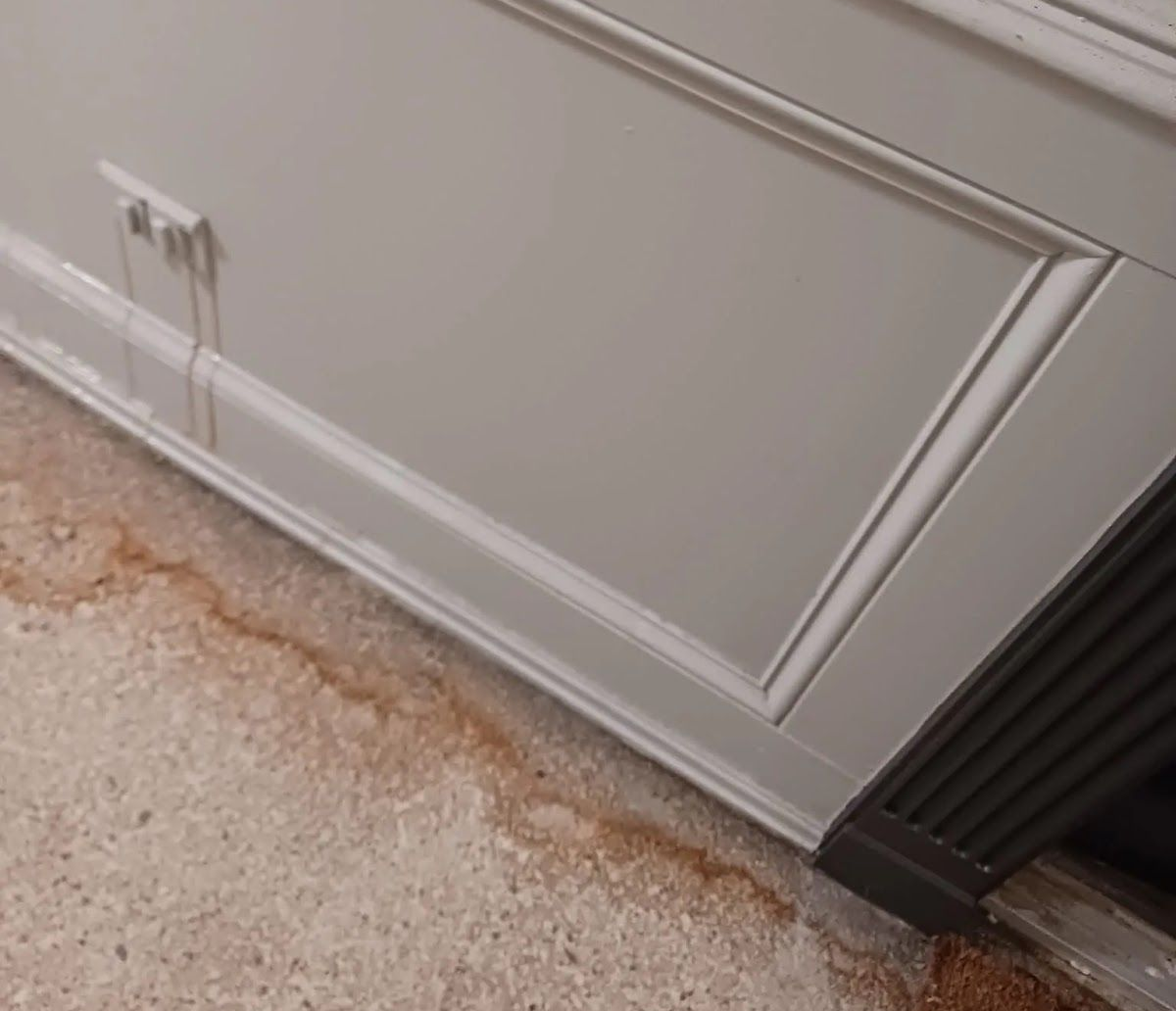
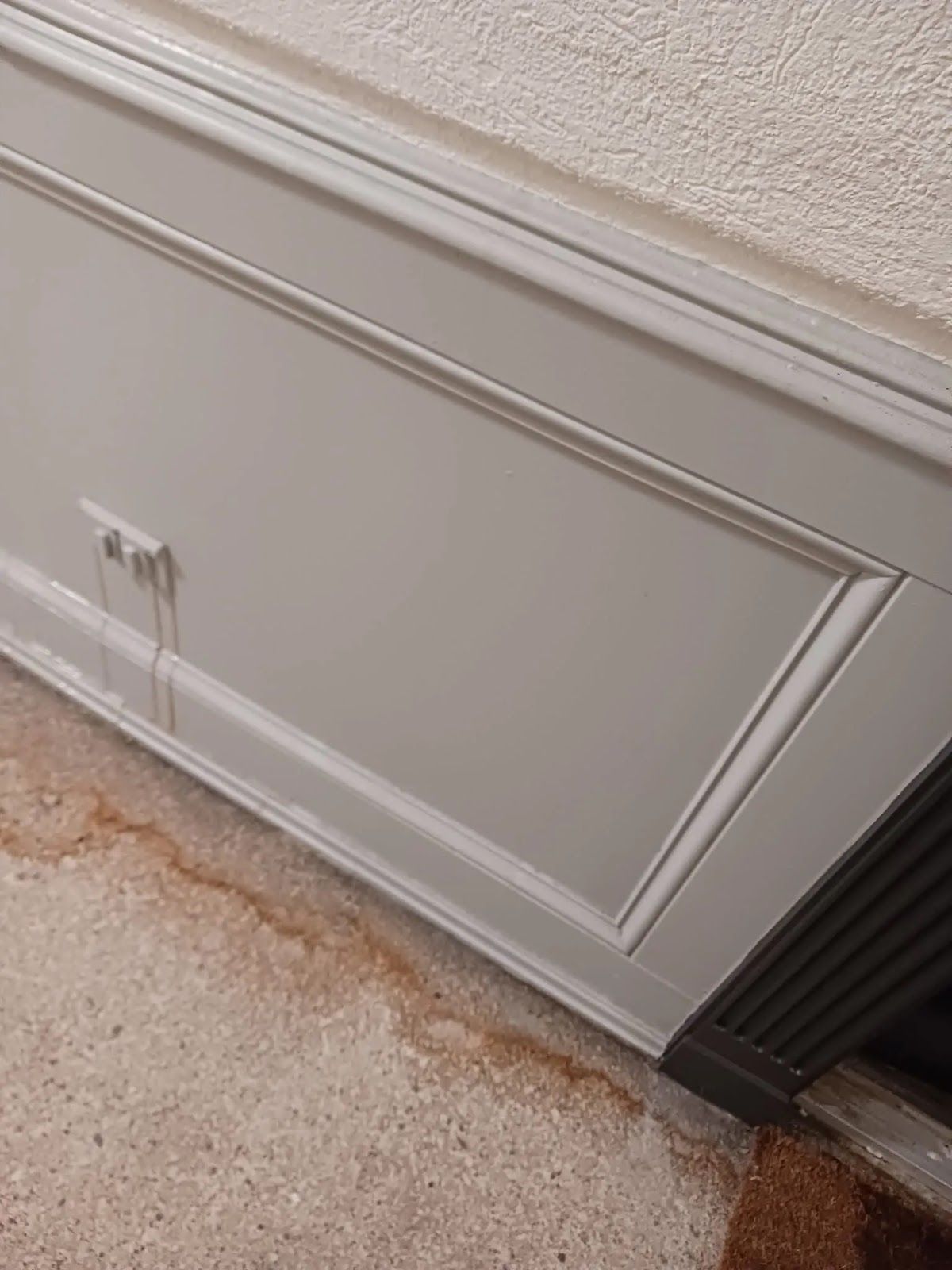
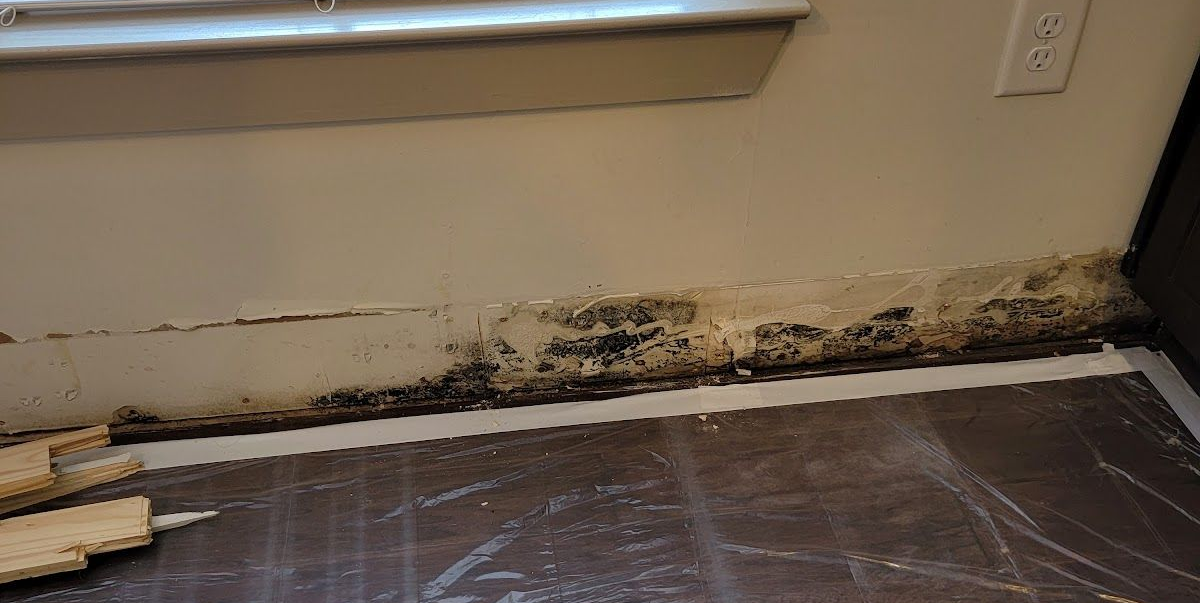
- Typical Findings: Mold inspections can uncover hidden growth in attics, basements, crawl spaces, or behind walls — places a general inspection might miss.
- Specialized Equipment: Mold professionals commonly use moisture meters, infrared cameras, and air or surface sampling tools that aren't standard in a basic home inspection.
Why Specialized Mold Testing Services Are Important Before Purchase
Getting a mold inspection before buying a home protects both your health and your investment. These specialized mold testing services are specifically designed to uncover hidden issues.
Mold can cause respiratory symptoms and allergies in occupants. Untreated problems can also lead to expensive repairs and a lower resale value. Finding issues early gives you significant leverage in negotiations, allowing you to request repairs, price adjustments, or even walk away if the risk is too high.
How Is a Mold Inspection Conducted? Step-by-Step Mold Detection Methods
Mold inspections follow a methodical process to identify both visible and hidden problems and to determine their underlying causes for effective remediation.
Common Techniques Used in Mold Testing Services

- Visual Inspection: The inspector looks for mold, stains, water damage, and signs of past leaks, as well as traces of where moisture is entering the home.
- Air Sampling: Air samples measure spore levels and types; they are helpful for hidden contamination, but can be affected by outdoor conditions and timing.
- Surface Testing: Swabs or tape lifts from suspected surfaces identify the mold species and help gauge how widespread the problem is.
What to Expect During a Professional Mold Inspection Appointment
A typical appointment lasts from one hour up to several hours, depending on the home's size and the areas inspected.
Expect thorough checks in key areas like bathrooms, kitchens, basements, attics, and crawl spaces. Be prepared to share any history of leaks, flooding, or moisture problems, as this background information can make the inspection more effective.
What Should You Do If Mold Is Found? “Mold Remediation Companies Near Me” and Next Steps

If an inspection reveals mold, act promptly. Contact a reputable mold remediation company to assess the problem's extent and recommend necessary repairs. Document any damage and, crucially, identify the source of moisture, as fixing it is the only way to prevent mold from returning.
Options for Mold Remediation and Restoration Services
- Mold Inspection: Detailed evaluation to locate mold and identify moisture sources.
- Mold Remediation: Safe containment and removal of contaminated materials, including cleaning and treatment.
- Water Damage Restoration: Repair and restoration after leaks, floods, or plumbing failures.
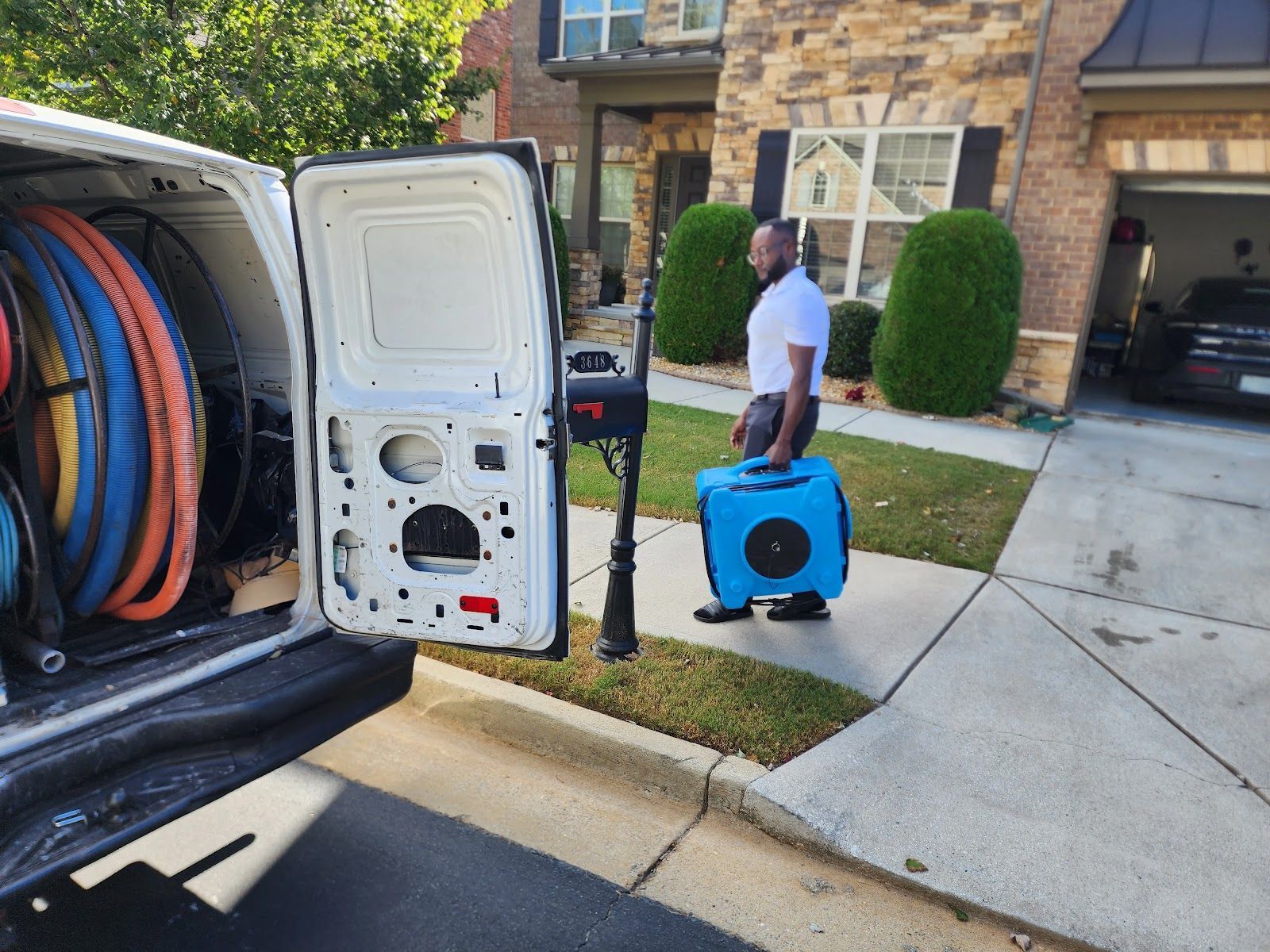
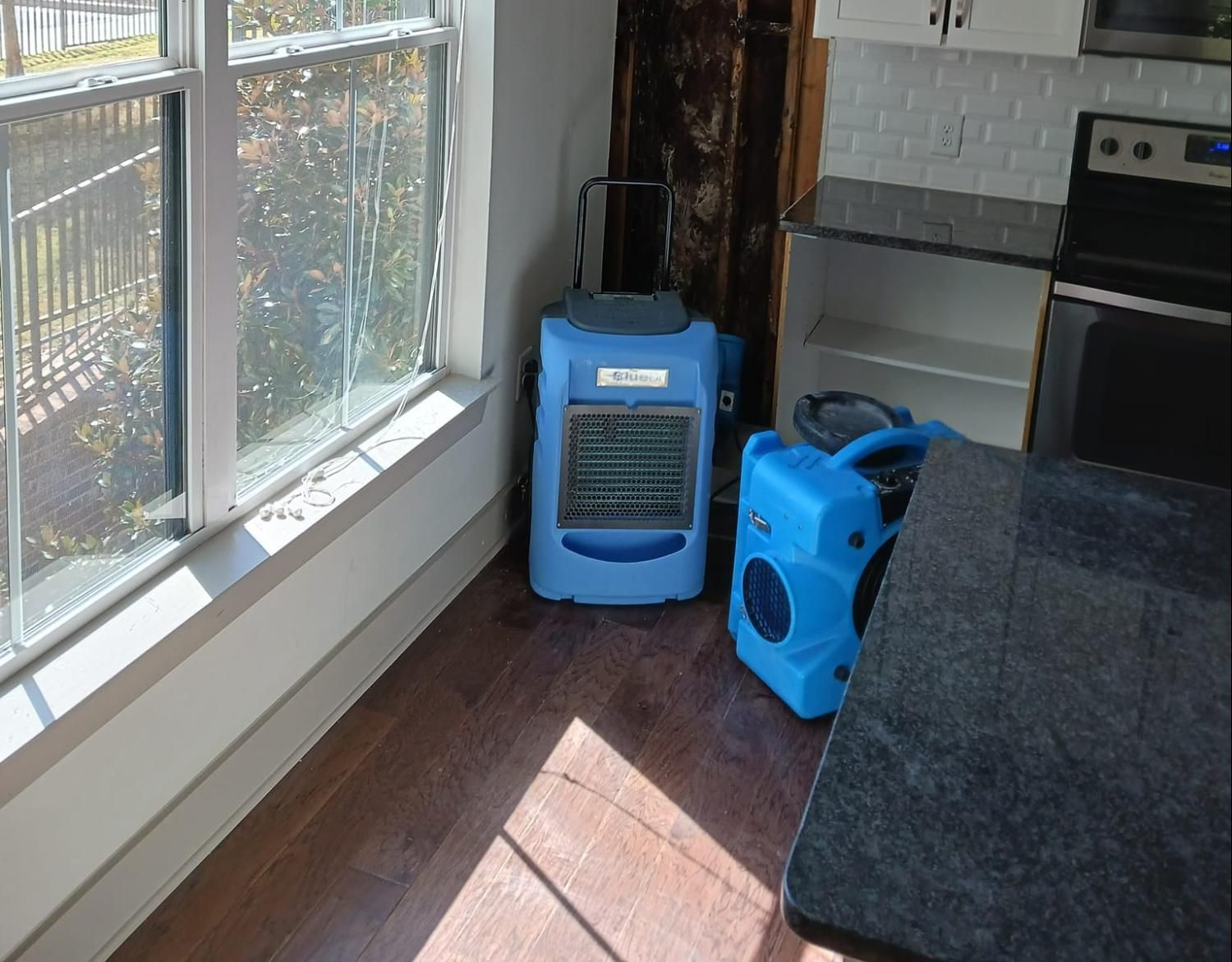
- Structural Drying: Using drying equipment to remove moisture from building materials.
- Crawl Space Encapsulation: Sealing and vapor-proofing crawl spaces to reduce humidity and prevent future mold.
Controlling crawl space humidity is critical: excess moisture there can promote mold and allow spores to move into living spaces.
For specific remediation options in your area, reach out to local mold remediation companies for estimates and timelines.
How to Choose Trusted Local Mold Remediation Companies in Gwinnett County
When choosing a remediation contractor in Gwinnett County, or specifically for mold testing in Duluth, use these practical criteria:
- Check Credentials: Verify licenses, certifications, and insurance before hiring.
- Read Reviews: Look for recent customer feedback and examples of similar jobs, often showcased in a company's portfolio.
- Ask About Methods: Confirm the company's approach to containment, cleaning, and prevention — and ask for a written scope of work.
Following these steps helps you find a reputable team that will solve the problem and prevent it from coming back.
Conclusion
Getting a mold inspection before you buy is a smart, cost-effective step to protect your health and your investment.
Early detection empowers confident negotiation or reconsideration of a purchase. A professional mold inspection ensures you fully understand potential remediation costs before buying.
Explore your mold inspection options today to make a safer, more informed decision.