How to Identify Hidden Mold Growth in Your House: Key Signs & Tips
Hidden mold can quietly harm your health and weaken your home's structure if left unchecked. Many homeowners miss the subtle clues that point to concealed growth, leading to more extensive and costly damage.
This practical guide walks you through the most reliable warning signs, common hiding places, and the effective detection methods that actually work. Finding mold early makes repairs faster, less expensive, and safer for your household.
By learning what to look for and when to act, you can protect your property and your family's well‑being. We cover the usual indicators, typical hiding spots, simple inspection steps, and when it’s time to call a professional for mold testing.
TL;DR — How to Identify Hidden Mold Growth in Your House: Key Signs & Tips
- A persistent musty odor is a top early warning of hidden mold
- Unexplained coughing, congestion, itchy eyes, or worse asthma can signal exposure
- Typical hiding spots: behind walls, under floors, attics, crawl spaces, and HVAC
- Use moisture meters, careful visual checks, and thermal imaging to confirm moisture
- DIY methods have limits—professional testing identifies sources and informs safe remediation
Recent Research on Hidden Mold Detection
Recent research underscores the difficulty of spotting hidden mold and highlights the value of thorough, early inspection strategies in residential settings. Mold in homes threatens occupant health and building integrity, especially in older properties where moisture issues and construction details can easily hide growth.
What Are the Most Common Signs of Hidden Mold in Homes?
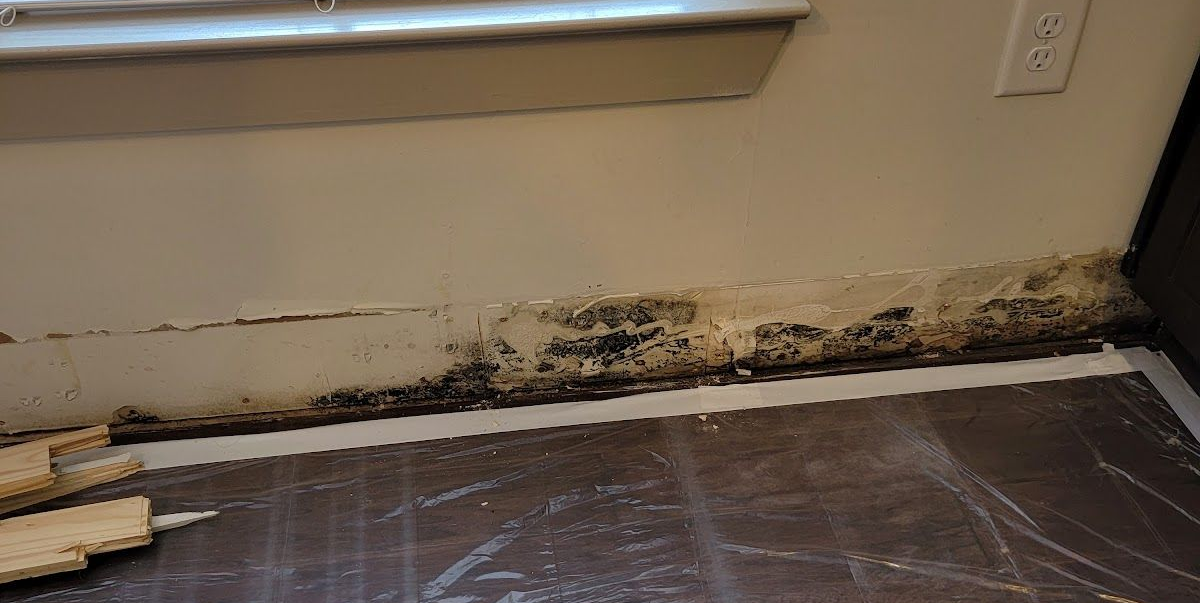
Spotting hidden mold early depends on noticing a few consistent clues. Mold prefers damp, dark places and often goes unseen until it affects air quality or causes surface damage. Watch for these reliable indicators:
Musty Smell
A steady, musty odor is one of the clearest early warnings of hidden mold. That smell comes from microbial volatile organic compounds (mVOCs) released by active mold colonies. Musty odors commonly originate in basements, bathrooms, crawl spaces, or anywhere there’s past water intrusion.
If a persistent musty scent lingers, it likely means mold is growing behind walls, under floors, or in other concealed spaces, and it deserves further investigation.
Health Symptoms
Mold exposure can cause a range of symptoms, particularly in people with allergies, asthma, or sensitivities. Noticing these health changes can help you connect symptoms to a possible indoor mold problem.
Common health issues associated with mold exposure include:
- Respiratory irritation (ongoing coughing, sneezing, nasal congestion)
- Allergic reactions (itchy, watery eyes; skin rashes)
- Worsening asthma symptoms
- Longer‑term respiratory problems with prolonged exposure
Where Does Mold Commonly Hide in Residential Properties?
Mold often grows where moisture and poor airflow meet — places you don’t see every day. Knowing the typical hiding spots helps you target inspections before a small issue becomes a big one.
Behind Walls and Under Floors
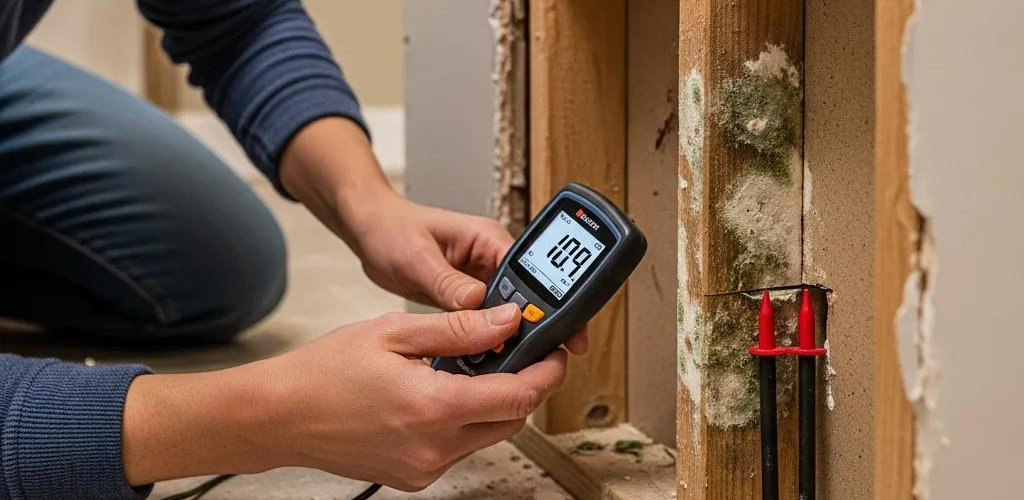
Finding hidden mold behind walls and beneath floors takes methodical checks. These approaches help locate moisture sources and visible clues without invasive work:
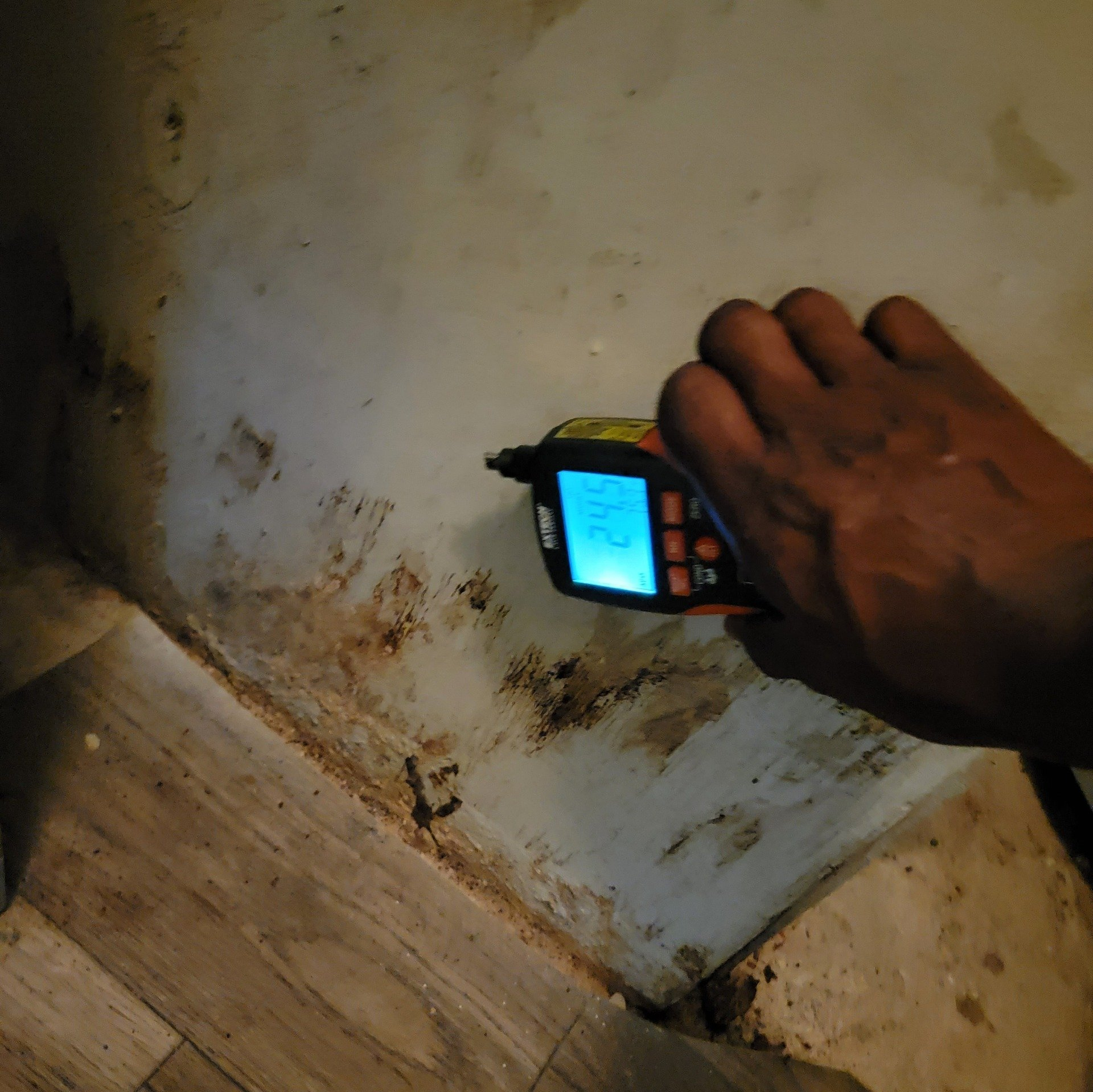
- Moisture Meters: Use these to detect elevated moisture inside walls or subfloors — the most reliable sign that conditions favor mold growth.
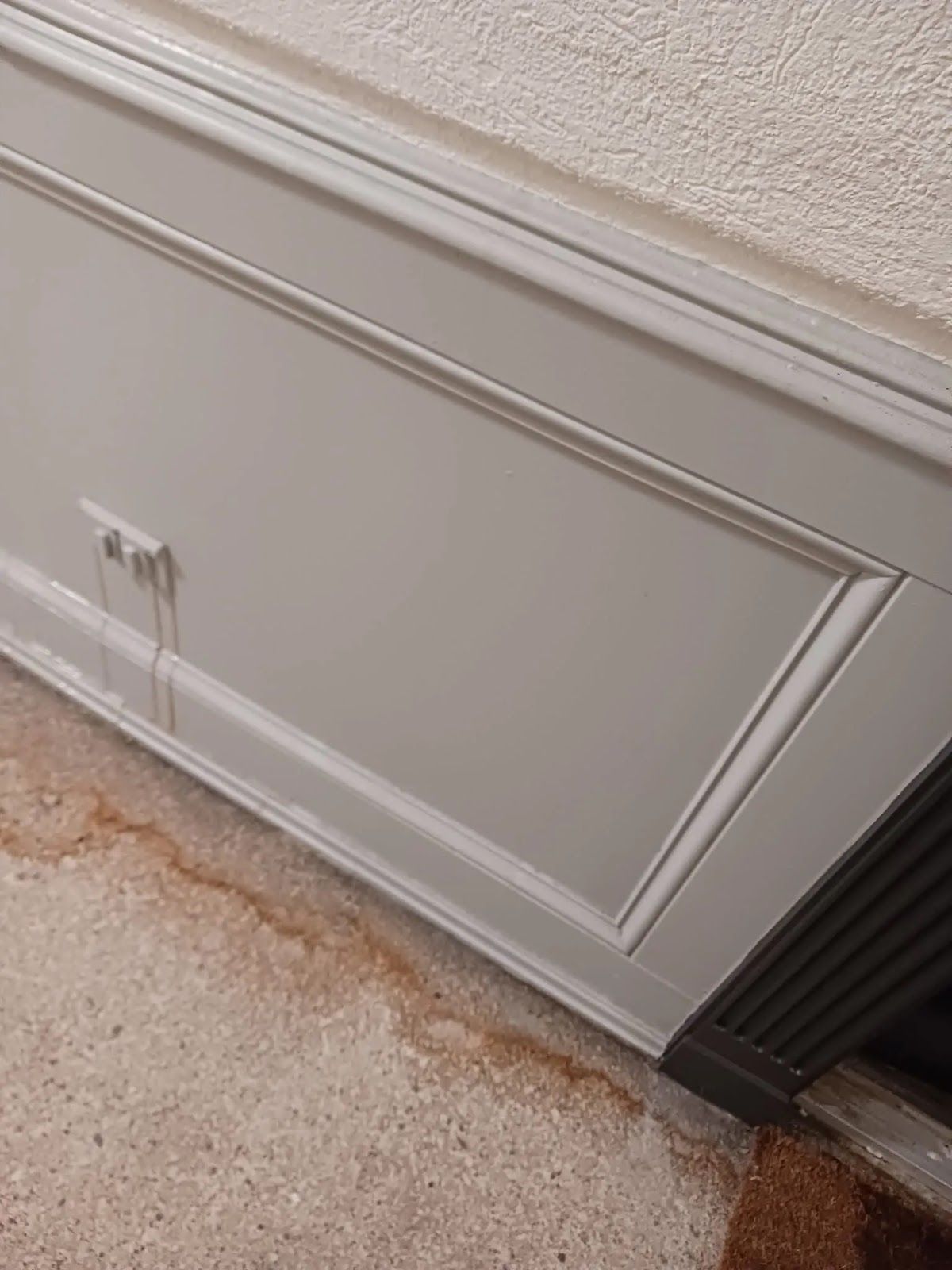
- Visual Inspections: Scan for discoloration, bubbling or peeling paint, and water stains on ceilings and walls; these often signal hidden dampness.
- Thermal Imaging: When you suspect concealed moisture, a thermal camera can reveal temperature differences that point to leaks or trapped water.
Attics, Crawl Spaces, and HVAC Systems
Attics, crawl spaces, and HVAC systems are common trouble spots because they can trap moisture and spread spores through your home. Regular checks of these areas are essential.
- General Signs: Visible mold patches, water stains, damp insulation, and a persistent musty smell.
- In Attics: Watch for wet or discolored insulation, dark streaks on roof sheathing, or any wood decay.
- In Crawl Spaces: Look for surface condensation, standing water, or visible fungal growth on beams and insulation.
- In HVAC Systems: Mold can form on filters, coils, drip pans, and ductwork — and then circulate spores throughout the house.
How Can You Effectively Detect Hidden Mold in Your Home?
Reliable detection uses a mix of careful visual checks, moisture measurement, and, when needed, professional testing. Home inspections can find many problems early, but some situations require trained specialists.
What Are the Limitations of DIY Mold Detection Methods?
DIY checks are useful first steps, but they have limits you should know about:
- Lack of Specialized Equipment: Homeowners usually don’t have commercial‑grade moisture meters or thermal cameras, which provide more precise data.
- Missed Deep‑Seated Mold: Surface checks may not reveal mold hidden inside walls, under flooring, or deep in HVAC systems.
- Incomplete Assessment: Visual inspections alone can miss airborne spores and hidden contamination — professional testing gives a fuller picture.
Why Is Professional Mold Testing More Reliable?
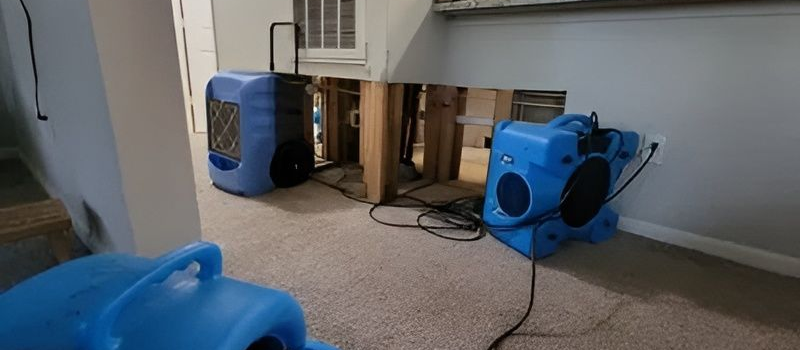
Certified inspectors bring tools and methods that go beyond DIY checks, giving you a clear, science‑based assessment:
- Advanced Tools & Techniques: Professionals use calibrated instruments and industry protocols to detect hidden moisture and contamination.
- Precise Analysis: Air tests and surface samples identify spore types and concentrations, helping quantify the problem.
- Comprehensive Identification: A full inspection locates all affected areas and informs an effective remediation plan.
When Should You Seek Professional Mold Inspection and Remediation?
Some situations call for immediate professional help to protect health and prevent costly damage. Don’t delay if you see clear signs or if occupants are experiencing health issues.
What Are the Benefits of Hiring Certified Mold Remediation Experts?
Working with certified remediation specialists offers several important advantages:
- Specialized Expertise: Trained pros know how to contain and remove mold safely and in line with industry standards.
- Comprehensive Plan: They create a remediation strategy tailored to your home, ensuring thorough removal and cleanup.
- Root Cause Identification: Experts find and fix the underlying moisture source — leaks, ventilation problems, or plumbing — to prevent recurrence.
How Does Peachtree Mitigation Assist with Mold Detection and Removal?
Peachtree Mitigation delivers full‑service mold testing in Gwinnett County, Georgia with experienced technicians and proven methods.
We locate hidden mold, identify the species when needed, and follow a clear remediation protocol to restore your space. By treating both visible and concealed contamination and addressing the moisture source, we help homeowners return their homes to a safe, healthy condition and reduce the likelihood of mold recurrence.
Our disaster restoration background means we plan for long‑term protection as well as immediate cleanup.
Mold Detection Methods at a Glance
| Detection Method | Description | Effectiveness |
|---|---|---|
| Visual Inspection | Looking for visible mold, stains, or water damage on surfaces | Moderate |
| Moisture Meter | Measuring moisture in walls, floors, and building materials | High |
| Thermal Imaging | Finding temperature differences that reveal hidden moisture or leaks | High |
| Professional Testing | Laboratory analysis of air samples and surface swabs to identify spores | Very High |
Conclusion
Identifying hidden mold in your home is crucial for maintaining a healthy living environment and protecting your property’s value. By recognizing the signs and employing effective detection methods, you can address mold issues before they escalate into costly repairs.
For comprehensive mold testing and remediation, consider reaching out to our certified team who can ensure your home remains safe and mold-free. Take the first step towards a healthier home by scheduling your mold inspection today.