Do you have to use your insurance company's restoration vendor in Duluth, GA?
When water starts pooling across your floor, your immediate impulse is to call your insurance company and agree to whatever solution they propose on the spot. Within minutes of reporting the leak, most homeowners hear a confident promise that a dispatched team will take care of everything and make the crisis disappear. What few property owners realize in that high-stress moment is that accepting this initial offer quietly sets off a chain reaction affecting how thoroughly their home is dried, what gets torn out, and who holds final financial accountability.
Securing a complete recovery requires understanding your rights in choosing a
Duluth water damage restoration team before signing off on any contractor's drying plan. Exploring how the claims process really works behind the scenes protects your home from hidden structural damage down the road.
TL;DR
- Georgia insurance law allows property owners to select any certified, independent water mitigation contractor without accepting the insurance company's preferred vendor.
- Insurance-preferred vendors operate under contractually cap-driven pricing or limited drying scopes designed to save the insurer money, which often leads to premature equipment removal.
- An independent restoration specialist works directly for you, using IICRC S500 standards, thermal moisture mapping, and comprehensive psychrometric drying to ensure your home reaches pre-loss conditions.
If you are facing active water damage in Duluth, GA, protect your property and your insurance claim with 24/7 certified emergency response.
Get a fast emergency quote from Peachtree MitigationThe preferred vendor myth
When an insurance representative directs you toward their preferred vendor program (often called a Direct Repair Network), they present it as the easiest, safest option. They may imply that using an independent contractor delays your claim or results in unpaid out-of-pocket costs. This creates uncertainty for homeowners dealing with saturated carpets and ruined drywall.
To understand why adjusters push preferred vendors, examine the contractual relationship between insurance carriers and network vendors. This business arrangement heavily shapes how contractors assess, manage, and bill your property damage.
Pre-negotiated discount rates
Preferred vendors sign contractual agreements with major insurance providers. In exchange for receiving a steady volume of emergency service calls without spending marketing dollars, the vendor agrees to discounted labor rates, capped equipment usage, and strict limitations on how many days drying equipment remains on-site. These pre-negotiated rates require the vendor to operate quickly to stay profitable.
Scopes of work driven by cost metrics
Because preferred vendors rely on insurance carriers for continuous business, their primary accountability leans toward keeping overall claim costs within the carrier's target metrics. Proper structural drying requires additional dehumidifiers, specialized cavity drying equipment, and extended structural monitoring past standard three-day allowances.
Your absolute right to independent representation
Under Georgia insurance regulations and consumer protection frameworks outlined by the Georgia Office of Commissioner of Insurance and Safety Fire, your insurer can't mandate which restoration contractor performs work on your private property. Your insurance policy requires you to take reasonable steps to mitigate further damage, such as stopping the active leak and beginning initial water extraction. You retain full authority over who enters your home and executes the restoration plan.
5 hidden risks of using insurance-preferred restoration vendors
While preferred vendors promise a seamless experience with minimal paperwork, Duluth homeowners frequently face hidden structural and financial pitfalls when choosing speed and insurer convenience over independent restoration advocacy.
1. Premature equipment pulls and hidden moisture
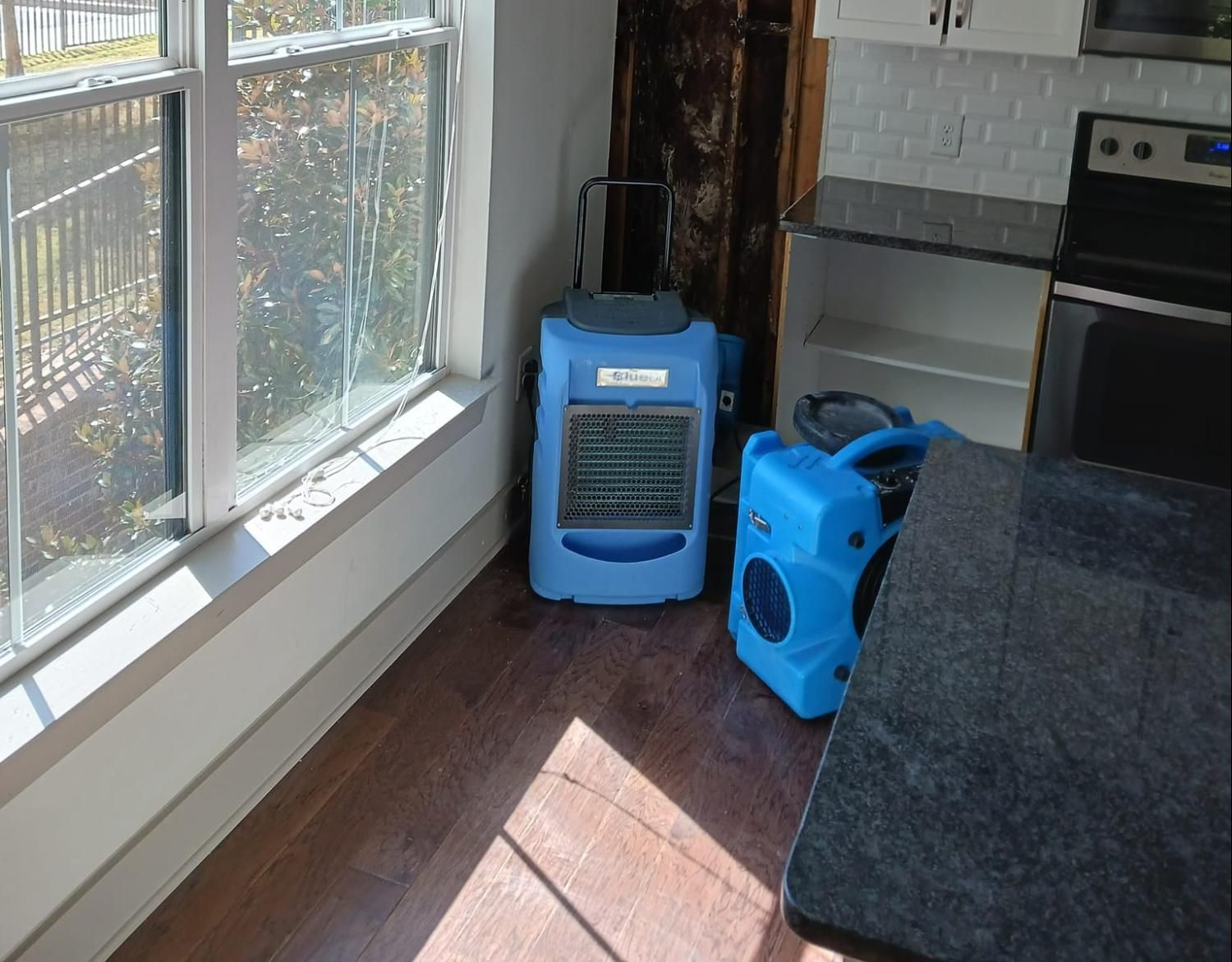
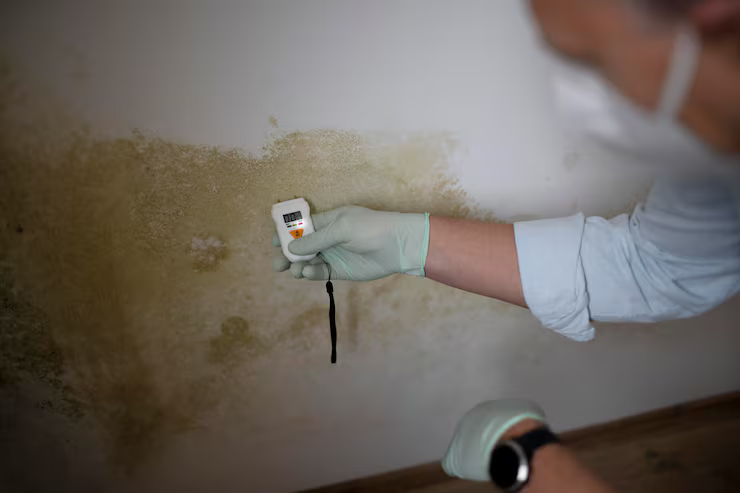
Proper water damage restoration relies on psychrometrics (the science of temperature, relative humidity, and vapor pressure). Removing industrial air movers and LGR dehumidification units before subfloors and wall cavities reach baseline dry standards leaves trapped moisture behind. Over 48 to 72 hours, trapped moisture behind drywall causes structural framing rot, subfloor swelling, and active mold germination.
2. Inadequate subfloor and cavity extraction
Water naturally follows gravity, pooling beneath hardwood flooring, tile underlayment, and subflooring joists. Preferred vendors operating under strict time caps perform basic surface extraction without pulling carpet padding or setting up specialized injection drying systems. This leaves hidden water pockets trapped under your living spaces that ruin structural subfloors.
3. Minimal thermal imaging inspections
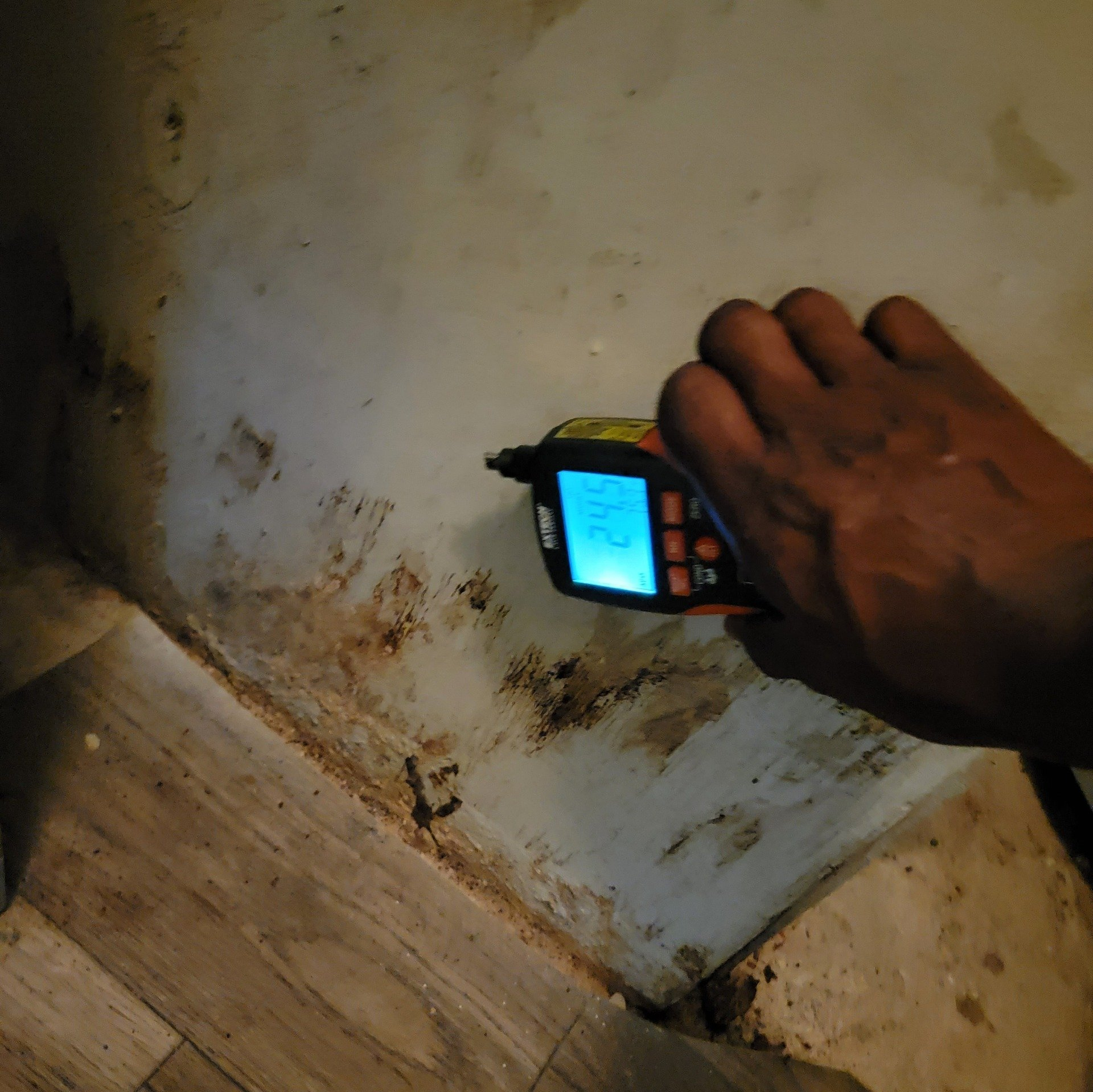
Identifying the true boundary of water migration requires high-resolution FLIR thermal imaging cameras and non-invasive moisture meters. Without comprehensive moisture mapping, water traveling along electrical conduits, ceiling joists, or interior wall cavities goes completely unnoticed until physical damage manifests weeks later.
4. Direct conflict in claims adjustment
When a preferred vendor agrees with an adjuster's assessment that certain water-damaged materials can dry in place, you lose leverage as a policyholder. An independent contractor documents all damaged materials objectively using industry-standard Xactimate estimating software to ensure complete replacement where necessary.
5. Incomplete sanitization and mold prevention
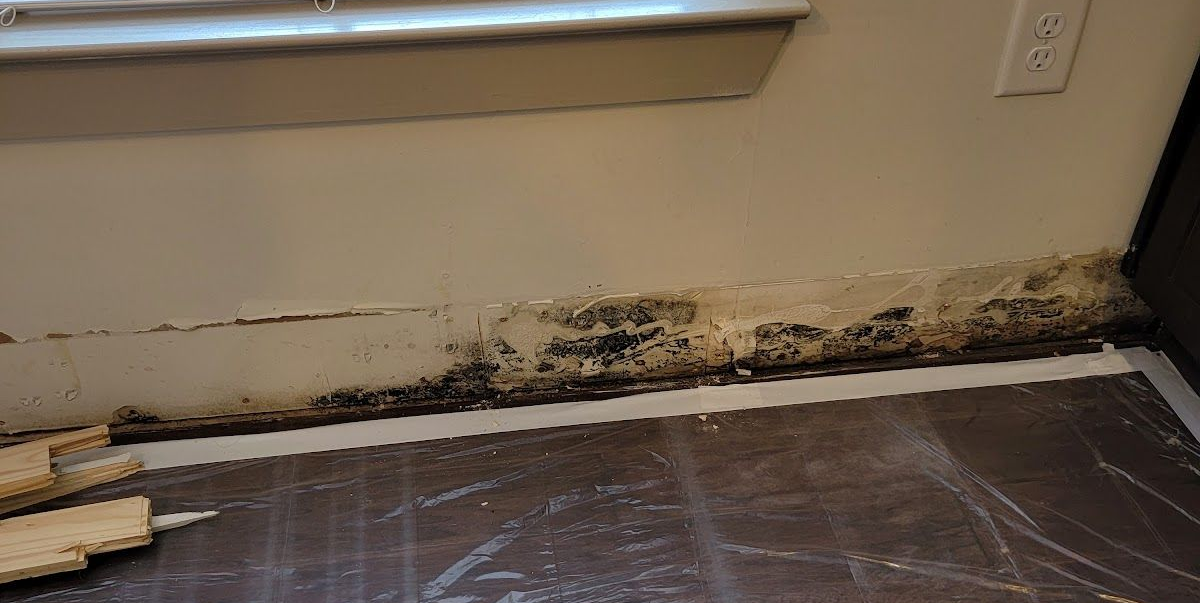
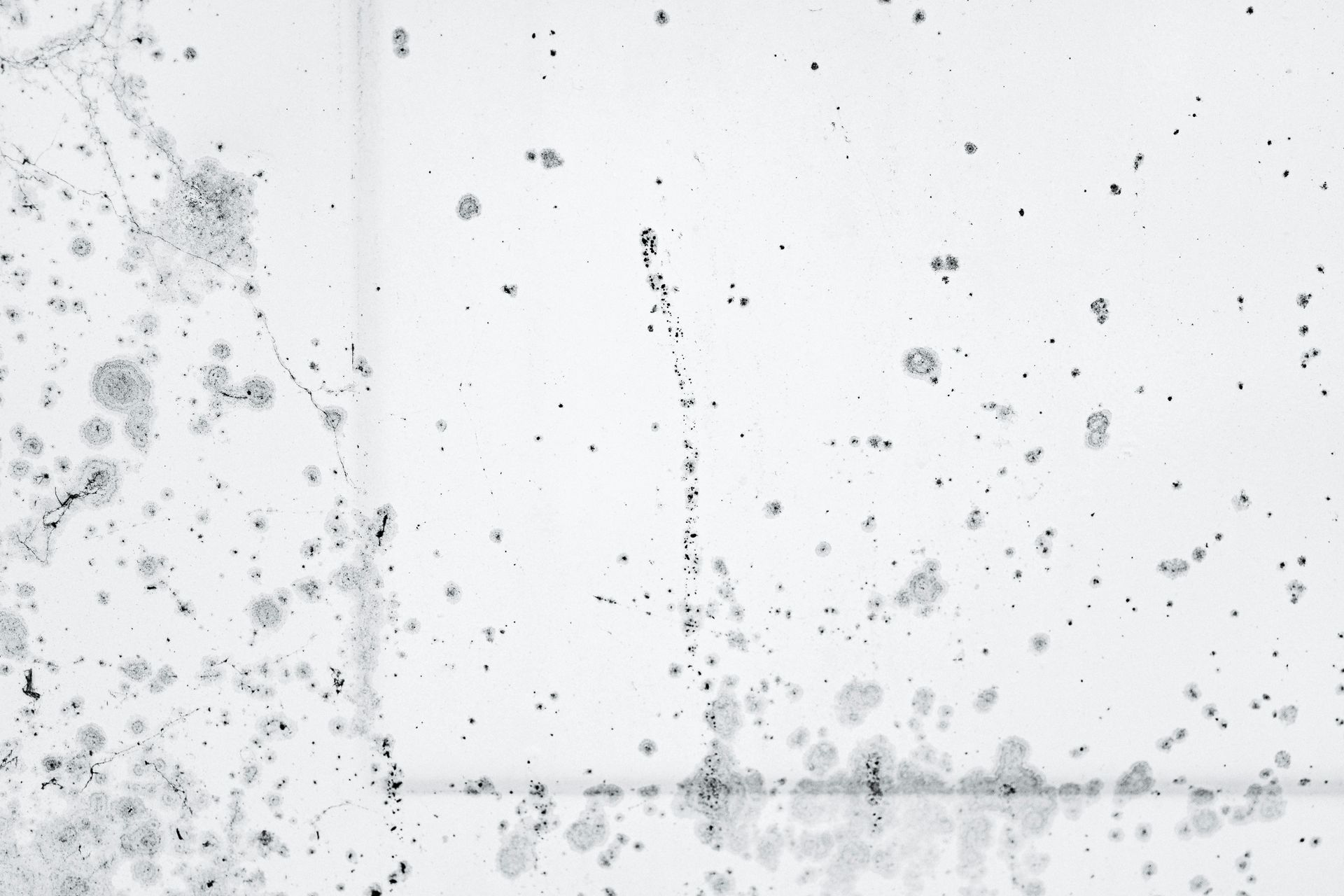
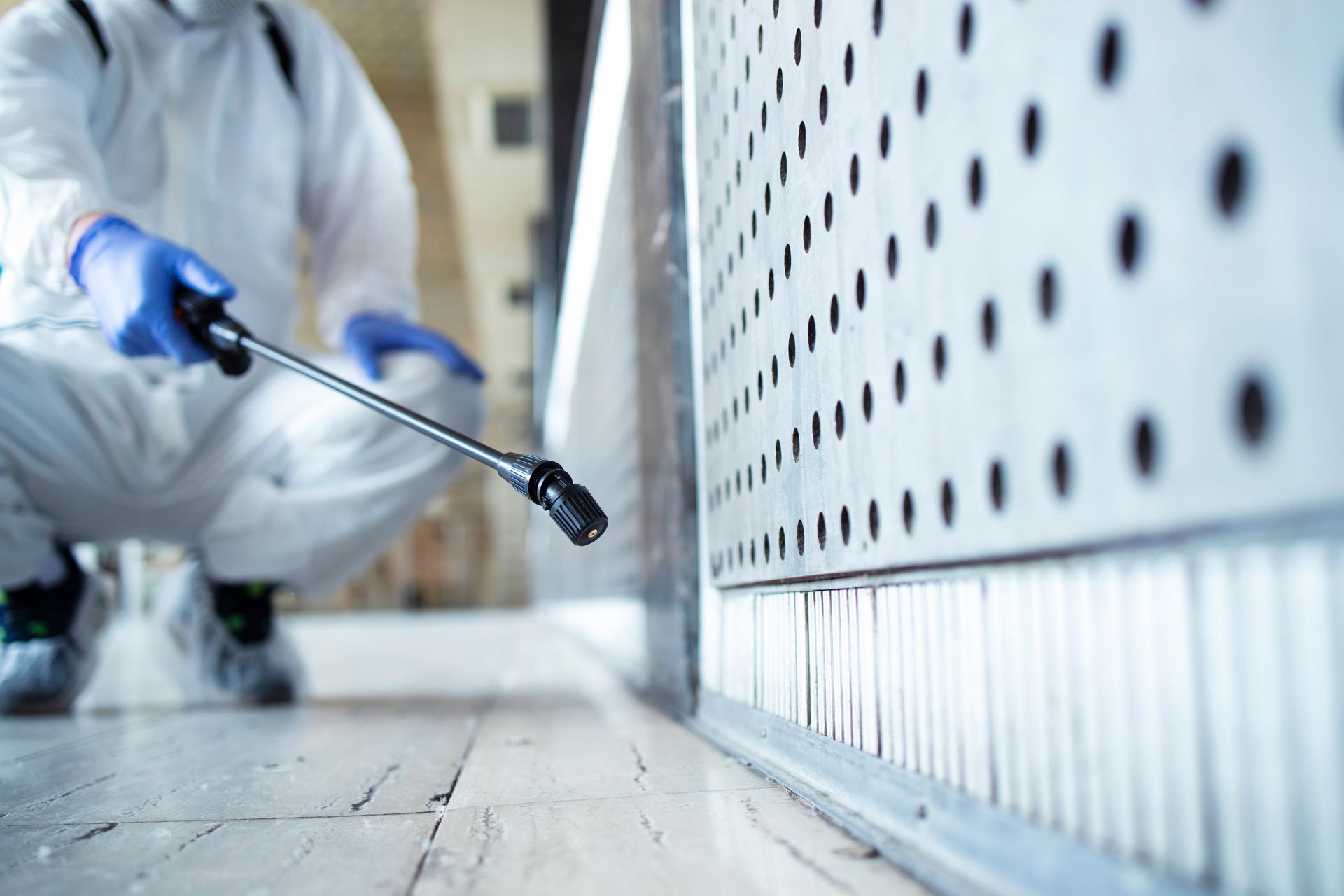
In North Georgia's humid climate, high indoor humidity accelerates microbial activity. When a preferred vendor skips applying EPA-registered antimicrobial agents during extraction or rushes the dehumidification phase, airborne mold spores rapidly colonize organic building materials inside your home.
What an independent water restoration specialist does differently
Choosing an independent, local restoration company in Duluth, GA changes the entire dynamic of your recovery. An independent restoration specialist acts as your dedicated property advocate throughout the entire process.
| Feature or standard | Insurance preferred vendor | Independent restoration specialist (Peachtree Mitigation) |
|---|---|---|
| Primary client relationship | Accountable to the insurance carrier | Accountable 100% to you (the homeowner) |
| Drying scopes and protocols | Dictated by pre-set carrier caps | Driven strictly by IICRC S500 standards |
| Moisture verification | Basic surface meter checks | Thermal imaging and daily psychrometric logs |
| Insurance claim support | Accepts insurer-dictated limits | Itemized Xactimate estimates and direct carrier billing |
| Local Duluth response | Dispatched via national call centers | Local 24/7 North Georgia emergency dispatch |
Adhering to IICRC S500 science-based drying standards
The official ANSI/IICRC S500 Standard for Professional Water Damage Restoration governs professional water damage recovery. Independent specialists adhere strictly to these scientific guidelines, measuring atmospheric moisture, specific humidity (grains per pound), and material equilibrium moisture content (EMC) daily until every building element reaches verified dry standards.
How to handle your Duluth water damage claim
If you discover active water damage or flooding in your Duluth property, follow this step-by-step self-defense checklist to ensure your home and financial rights remain protected:
- Shut off the main water source by locating your home's main shut-off valve near the street meter box or basement supply line and turning it clockwise.
- Call Peachtree Mitigation for emergency extraction through our certified, local emergency water damage restoration team in Duluth.
- Document the damage thoroughly by capturing clear photo and video evidence of all standing water, damaged furniture, saturated drywall, and personal property before items move.
- File the claim with your insurance carrier by notifying them that you hired a certified independent mitigation firm to stabilize the property and fulfill your policyholder duties.
- Let your restoration team handle the estimate using itemized Xactimate software, complete with moisture logs, thermal photos, and atmospheric readings.
Pro tip for Duluth homeowners: If your adjuster states that your preferred contractor is "too expensive" or "not on our approved list," remind them politely that Georgia law gives you the right to choose your contractor, and request that they review the IICRC moisture logs provided by your restoration team.
Protecting your Duluth home against secondary mold damage
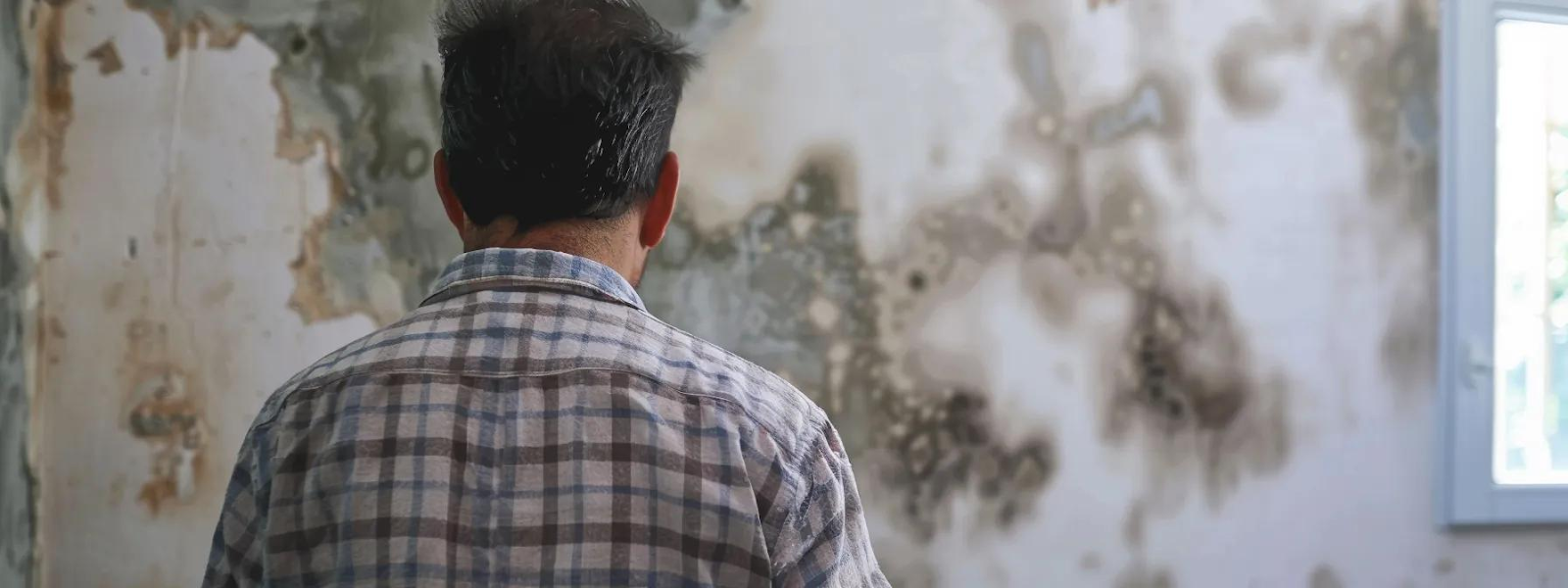
In North Georgia communities like Duluth, Suwanee, Johns Creek, and Lawrenceville, water damage and mold growth link closely together. Ambient humidity during hot summer months creates ideal conditions for toxic mold spores to multiply within 24 to 48 hours of initial water contact.
According to the
United States Environmental Protection Agency mold guidelines, unextracted moisture penetrating wall cavities or subfloors without thorough antimicrobial treatment and structural dehumidification rapidly escalates into a hazardous indoor air quality issue.
When addressing water intrusion, working with a team that offers integrated
professional mold remediation and testing services ensures that your indoor air quality remains safe and healthy long after the drying equipment is packed away.
Frequently asked questions about Duluth water damage claims
Will my insurance company pay for an independent water restoration service?
Yes. Standard Georgia homeowner's insurance policies cover reasonable and necessary water damage mitigation expenses caused by covered sudden and accidental losses (such as burst pipes, water heater ruptures, or appliance failures), regardless of whether you choose an independent contractor or a network vendor.
Can an insurance adjuster force me to use their vendor?
No. Insurance adjusters can't legally force or steer you to use a specific contractor. They can inform you of their preferred network, but the final selection of who performs work on your private property remains entirely yours under state law.
What happens if the insurance estimate is lower than the mitigation invoice?
Certified independent restoration contractors use industry-standard Xactimate pricing that aligns with regional Gwinnett County labor and equipment rates. Your contractor works directly with your insurance adjuster, submitting detailed thermal photos, psychrometric drying charts, and line-item justification to resolve pricing differences smoothly through supplement filings.
How quickly does water damage extraction need to start?
Extraction must begin immediately. Water saturates porous building materials instantly upon contact. Within 24 hours, drywall loses structural integrity, wood trim warps, and microbial growth initiates. Immediate extraction dramatically reduces total restoration costs and preserves original materials.
Take control of your property restoration in Duluth, GA
When unexpected water damage threatens your home or business, you hold full legal authority to select a certified, independent restoration advocate dedicated exclusively to restoring your property safely, thoroughly, and transparently.
Peachtree Mitigation serves Duluth homeowners with over a decade of local experience, offering 24/7 rapid response, advanced thermal moisture mapping, and complete insurance claim coordination.
Ready to protect your property?
Don't wait for trapped moisture to cause secondary damage. Contact our Duluth emergency team now to schedule an immediate on-site moisture inspection and extraction plan.
- Online request: Request a fast emergency quote
- Direct address: 2180 Satellite Blvd, Suite 400, Duluth, GA 30097
- 24/7 Local emergency phone: +1 (404) 480-9525
About the Author
Joe Preston Owner & IICRC-Certified Disaster Restoration Specialist, Peachtree Mitigation
Joe Preston is the founder and lead disaster recovery specialist at
Peachtree Mitigation , headquartered in Duluth, Georgia. With over 10 years of hands-on field experience across North Georgia—including Gwinnett, Fulton, and Forsyth counties—Joe specializes in emergency water extraction, structural psychrometric drying, mold remediation, and fire/smoke damage recovery.