The Complete Water Damage Restoration Process: The Definitive Guide for Homeowners
Did you know that the first 48 hours are the most critical for your home's recovery?
At Peachtree Mitigation, we’ve seen how a small leak can quickly escalate if not handled with precision.
Understanding the professional
water damage restoration process is the best way to protect your property.
Our team is here 24/7 to guide you through every step with the care and expertise your home deserves.
TL;DR — The Complete Water Damage Restoration Process: The Definitive Guide for Homeowners
- Immediate Action: Professional restoration must begin within 24-48 hours to prevent mold.
- The 5-Step Process: Includes Inspection, Water Removal, Drying, Sanitizing, and Full Restoration.
- Local Expertise: Duluth homeowners should look for IICRC-certified technicians who understand Georgia's high-humidity challenges.
Facing a Water Emergency in Duluth? Don't wait for the damage to spread. Contact Peachtree Mitigation now for a professional assessment and immediate water extraction.
Get Help NowStep 1: Professional Inspection and Damage Assessment
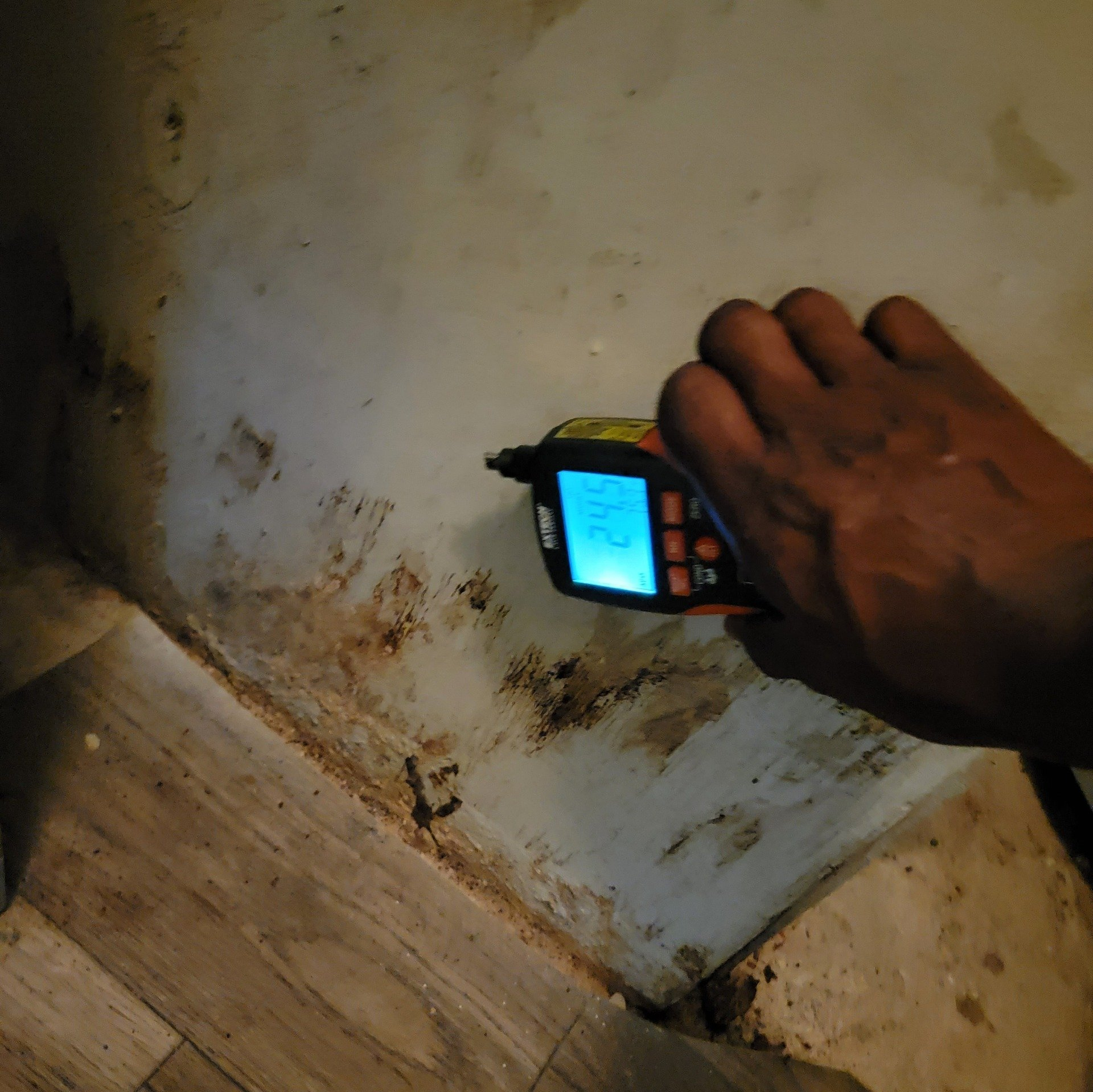
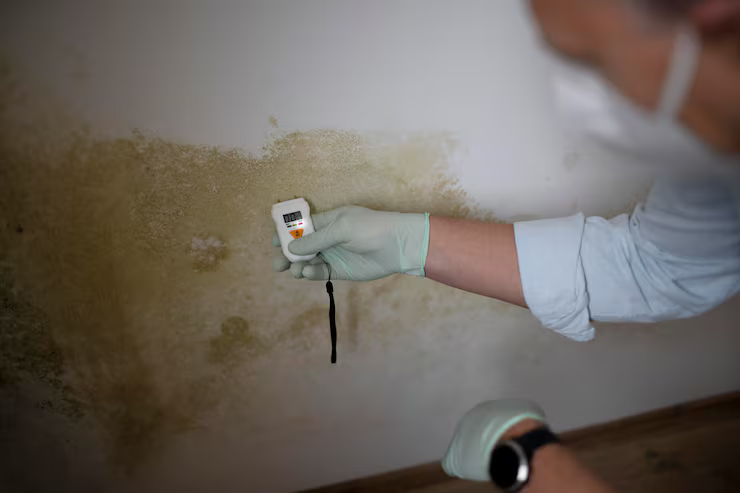
The process begins the moment a Peachtree Mitigation expert arrives at your Duluth property. This is more than a visual check. Inspection involves a technical evaluation using moisture meters and infrared cameras to find water hidden behind drywall or under flooring.
The Science of Water Categories
Following industry-standard restoration protocols, we first determine the category of water, which identifies the level of contamination:
- Category 1 (Clean Water): Originates from a sanitary source, such as a broken water supply line or a bathtub overflow.
- Category 2 (Gray Water): Contains significant contamination and has the potential to cause discomfort or sickness if consumed. This includes discharge from dishwashers or washing machines.
- Category 3 (Black Water): Grossly contaminated and can contain pathogenic, toxigenic, or other harmful agents. Examples include sewage, rising floodwaters from rivers, and wind-driven rain from hurricanes.
The Four Classes of Water Damage
We also assess the class of damage, which is determined by the estimated evaporation rate needed:
- Class 1 (Slow Evaporation): Affects only part of a room or involves low-porosity materials (e.g., plywood, particle board).
- Class 2 (Fast Evaporation): Affects an entire room, carpet, and cushioning. Water has wicked up walls less than 24 inches high.
- Class 3 (Fastest Evaporation): Water may come from overhead, affecting ceilings, walls, insulation, and subfloors.
- Class 4 (Specialty Drying): Involves "deep-seated" moisture in materials like hardwood, brick, or stone that require very low humidity to dry.
Step 2: Emergency Water Removal and Extraction
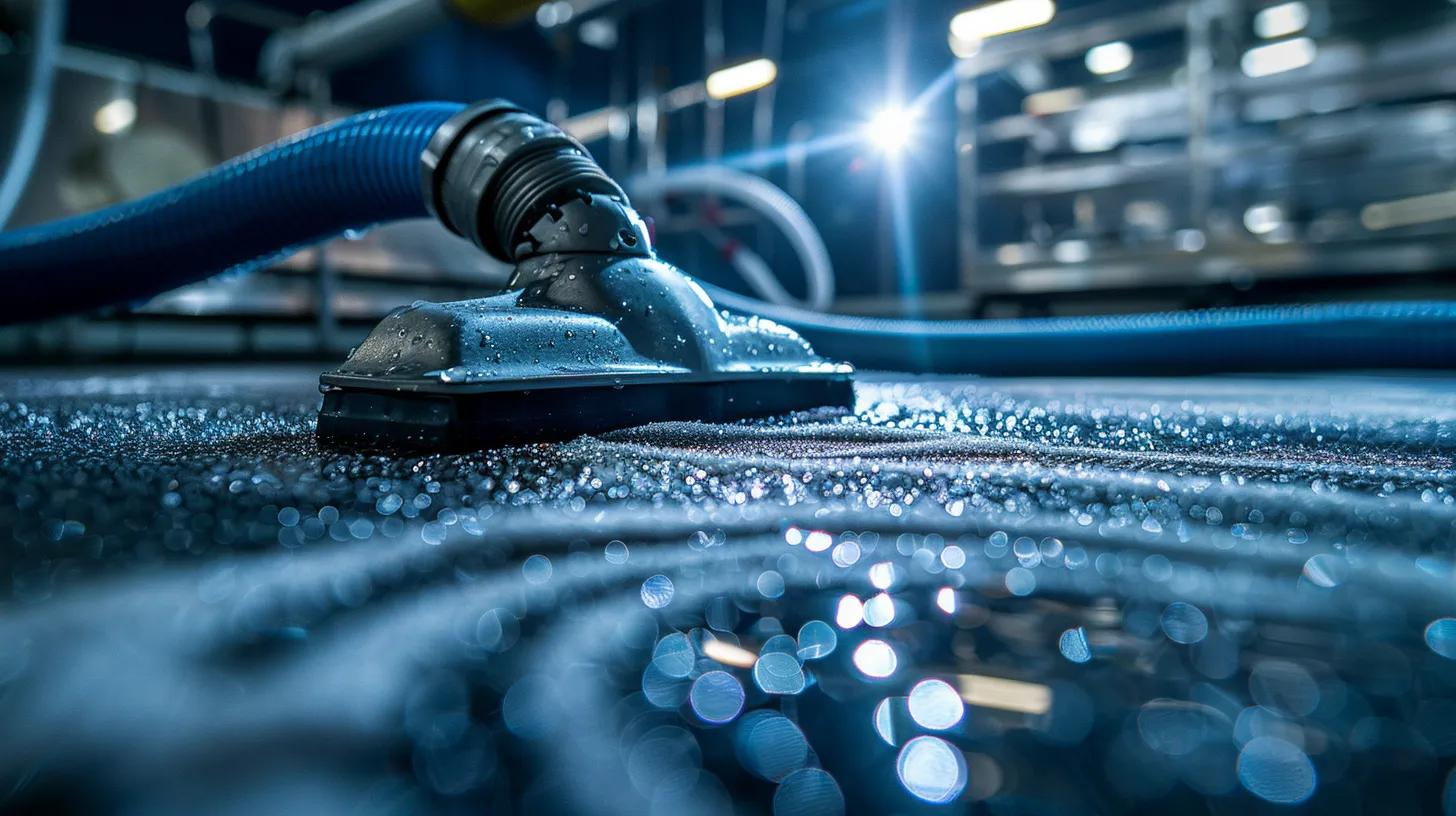
Once the plan is in place, the heavy lifting begins. Thousands of gallons of water can be removed in a matter of hours using truck-mounted vacuum units and submersible pumps. This stage of water damage removal in Duluth is critical because it prevents the "wicking" effect, where water climbs up porous materials like insulation and wood studs.
Advanced Extraction Technology
We don't just use shop-vacs. Our team utilizes:
- Submersible Pumps: For continuous pumping of high-volume water.
- Truck-Mounted Extraction Units: Providing massive suction power to pull water from deep within carpet fibers and pads.
- Infrared Cameras: To verify that all standing water has been identified and removed from wall cavities.
💡Peachtree Pro Tip: As the rainy season approaches in North Metro Atlanta, check your gutters and downspouts. Proper drainage is your first line of defense against basement flooding!
Step 3: Industrial Drying and Dehumidification
Even after the standing water is gone, the structure remains saturated. We use high-velocity air movers to create airflow across surfaces, while Low Grain Refrigerant (LGR) dehumidifiers pull moisture out of the air.
The Role of Psychrometrics in Georgia
In the humid climate of Gwinnett County, managing indoor humidity levels is the only way to ensure the "dry standard" is met. Psychrometrics, the study of air-vapor mixtures, is at the heart of what we do. We monitor:
- Ambient Temperature: To ensure the air is warm enough to hold moisture.
- Relative Humidity (RH): To track the moisture content of the air.
- Grains Per Pound (GPP): The most accurate measure of the weight of water vapor in the air.
- Vapor Pressure: To ensure moisture is moving out of your walls and into the air where we can capture it.
Step 4: Cleaning, Sanitizing, and Odor Removal
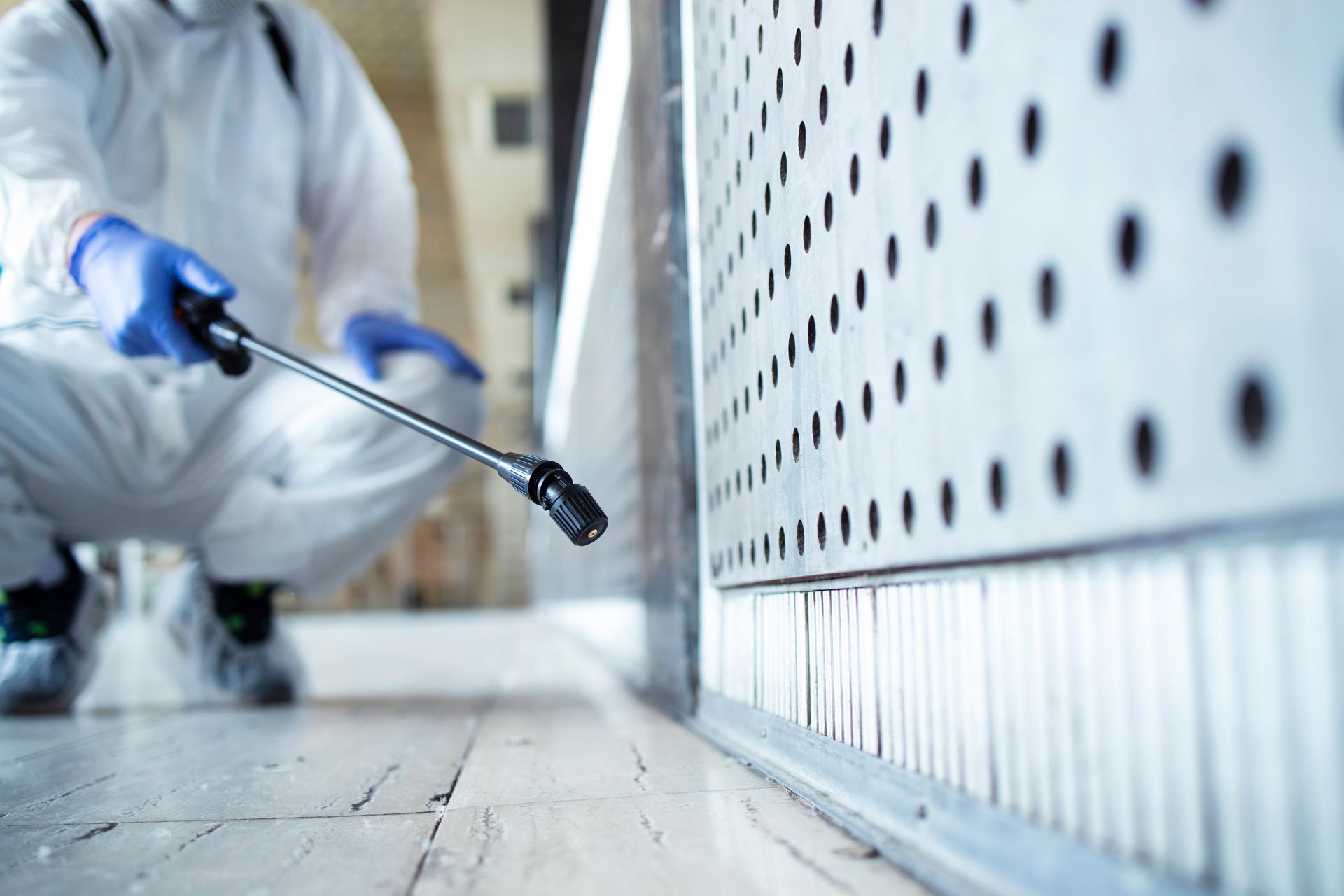
Water damage often brings contaminants into the home. All restorable items are cleaned using antimicrobial treatments to prevent mold spores from colonizing. Following safe flood cleanup procedures, our technicians inspect and, if necessary, sanitize HVAC ducts and structural cavities.
Odor Neutralization
Water damage often leaves a "musty" smell. We use:
- Air Scrubbers: With HEPA and charcoal filters to remove airborne particles and odors.
- Thermal Fogging: To neutralize odors deep within porous materials.
- Antimicrobial Treatments: To kill the bacteria that cause odors at the source.
Step 5: Full Restoration and Structural Repair
The final step is returning your home to its pre-loss condition. This may involve minor repairs, such as replacing drywall and painting, or major reconstruction. Our team coordinates these repairs across Duluth and surrounding North Metro cities to ensure the structural integrity of your home is fully restored.
The Homeowner’s Survival Guide: Insurance and Documentation
One of the most stressful parts of the restoration process is the paperwork. To ensure a smooth claim with your insurance provider, our team assists with:
- Detailed Documentation: We take "before and after" photos and use moisture mapping to prove the extent of the damage.
- Direct Billing: We work directly with most major insurance carriers in Georgia to reduce your out-of-pocket stress.
- Inventory Logs: We help you catalog damaged personal items (contents) for your adjuster.
Duluth Homeowner FAQ: Your Questions Answered
1. How long does the drying process take?
Typically, a home takes 3 to 5 days to dry completely. However, Class 4 damage (hardwood/concrete) can take longer. We monitor the progress daily and don't remove equipment until the "dry standard" is reached.
2. Can I stay in my home during restoration?
It depends on the Category of water and the extent of the damage. For Category 3 (sewage) or large-scale Class 3 losses, we often recommend temporary relocation for safety and comfort.
3. Will my insurance cover the cost?
Most standard homeowners policies cover "sudden and accidental" water damage (like a burst pipe). They typically do not cover "gradual" damage (like a slow leak over months) or flooding from outside unless you have a separate flood policy.
4. Why do I need professional dehumidifiers?
Household dehumidifiers are not designed to handle the massive moisture loads of a flood. Our LGR dehumidifiers can pull up to 15-20 gallons of water out of the air per day, preventing mold from growing in your walls.
Why Professional Oversight Matters in Duluth
Attempting to DIY a major water loss often leads to secondary damage like structural rot or toxic mold growth. By following a rigorous, step-by-step professional process, you protect your home's value and your health.
Ready to Restore Your Home?
Peachtree Mitigation is Duluth’s trusted partner for expert water damage recovery. We are available 24/7 to get your life back to normal.
Schedule Your InspectionToday!