Signs of Mold Growth Every Homeowner Should Know: How to Detect and Act Early
Mold growth in homes poses significant health risks and property damage. Early detection is crucial for homeowners.
This article guides you through the visible and hidden signs of mold growth, associated health risks, and when to schedule a mold inspection, and expert mold testing.
By the end, you'll have the knowledge to identify mold and understand the necessary steps for remediation.
TL;DR — Signs of Mold Growth Every Homeowner Should Know: How to Detect and Act Early
- Spot visible patches or discoloration on walls, ceilings, and floors in moisture-prone areas
- Musty, persistent odors often signal hidden mold behind walls or in HVAC
- Watch for water stains, peeling paint, and condensation as structural warning signs
- Mold exposure can trigger allergies, asthma, and infections—vulnerable people risk more
- Professional inspection and testing beat DIY kits for accuracy, safety, and thorough remediation
What Are the Visible Signs of Mold in Your Home?
Visible mold manifests in various forms and colors; early recognition is key.
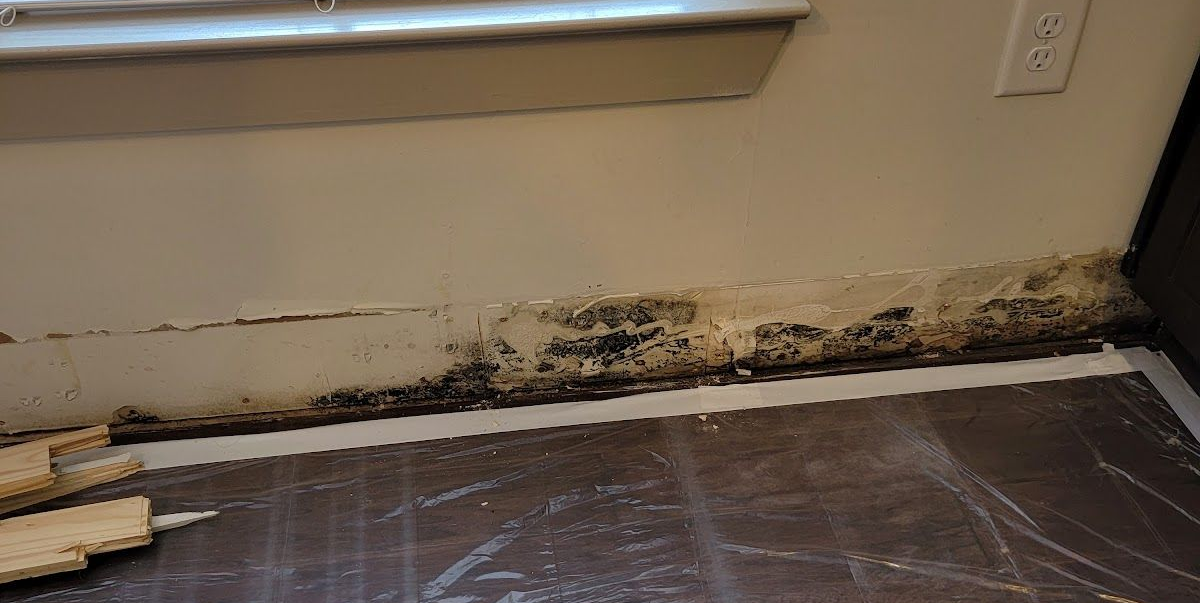
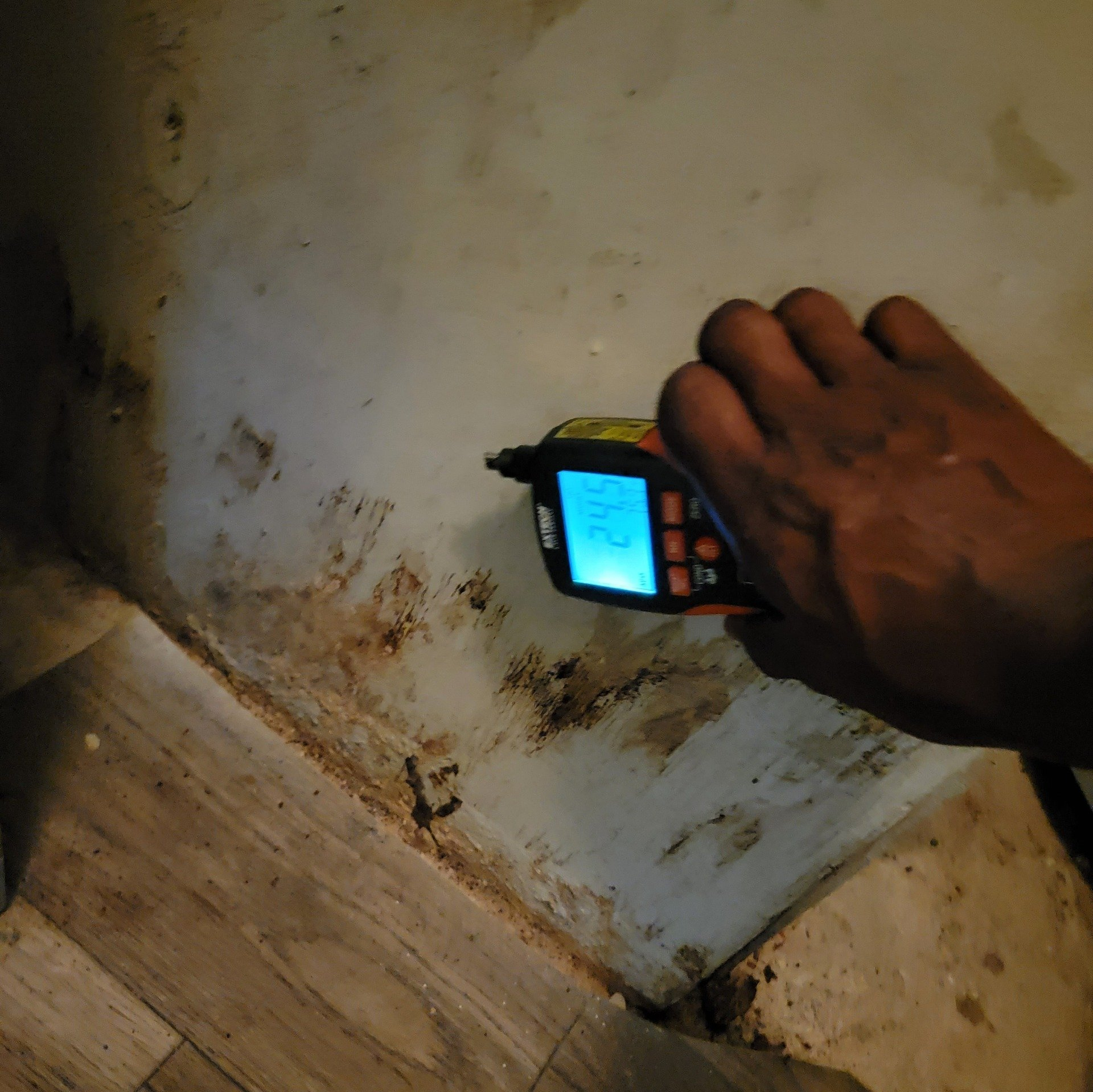
Mold typically appears as patches or spots on surfaces, often in areas with high moisture levels, as detailed by the Environmental Protection Agency.
Common signs include discoloration on walls, ceilings, and floors, ranging from black and green to white and yellow, indicating various types of mold growth.
How Does Mold Appear on Walls, Ceilings, and Other Surfaces?
Mold varies in color and texture depending on its type and the surface it inhabits.
For instance, Stachybotrys chartarum, often called "black mold," typically has a slimy texture, a characteristic noted in studies on toxic molds. Mildew, however, may appear powdery.
Inspect moisture-prone areas like bathrooms, kitchens, and basements. Regular checks help catch mold growth before it spreads.
Which Common Areas Are Most Prone to Visible Mold Growth?
Certain areas in your home are more susceptible to mold growth due to higher humidity and moisture levels, as highlighted in guidelines for mold prevention.
- Bathrooms: Showers and sinks often retain moisture, creating an ideal environment for mold.
- Kitchens: Leaky pipes and spills can lead to mold growth under sinks and behind appliances.
- Basements: Poor ventilation and dampness make basements a prime location for mold.
Act quickly if signs appear to prevent further damage.
What Are the Hidden Mold Symptoms Every Homeowner Should Recognize?
Hidden mold is challenging to detect, often growing behind walls or in HVAC systems, significantly impacting indoor air quality.
Vigilance for hidden mold symptoms is crucial to address issues before they escalate.
How Can a Musty Smell Indicate Hidden Mold Presence?
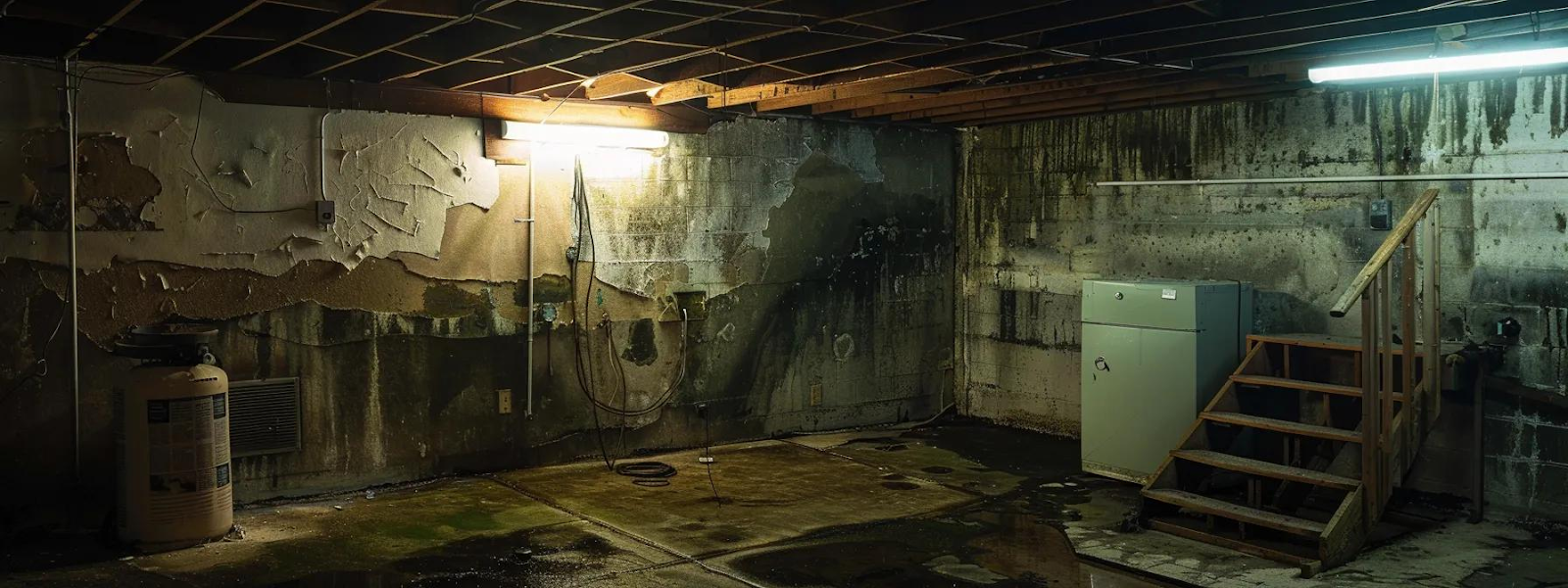
A musty smell is often the first indicator of hidden mold, caused by the release of microbial volatile organic compounds (mVOCs) from mold spores.
If you notice a persistent musty smell, investigate moisture-prone areas like behind appliances or in crawl spaces for potential mold growth.
What Physical and Structural Signs Suggest Mold Behind Walls or in HVAC Systems?
Physical signs of hidden mold can include:
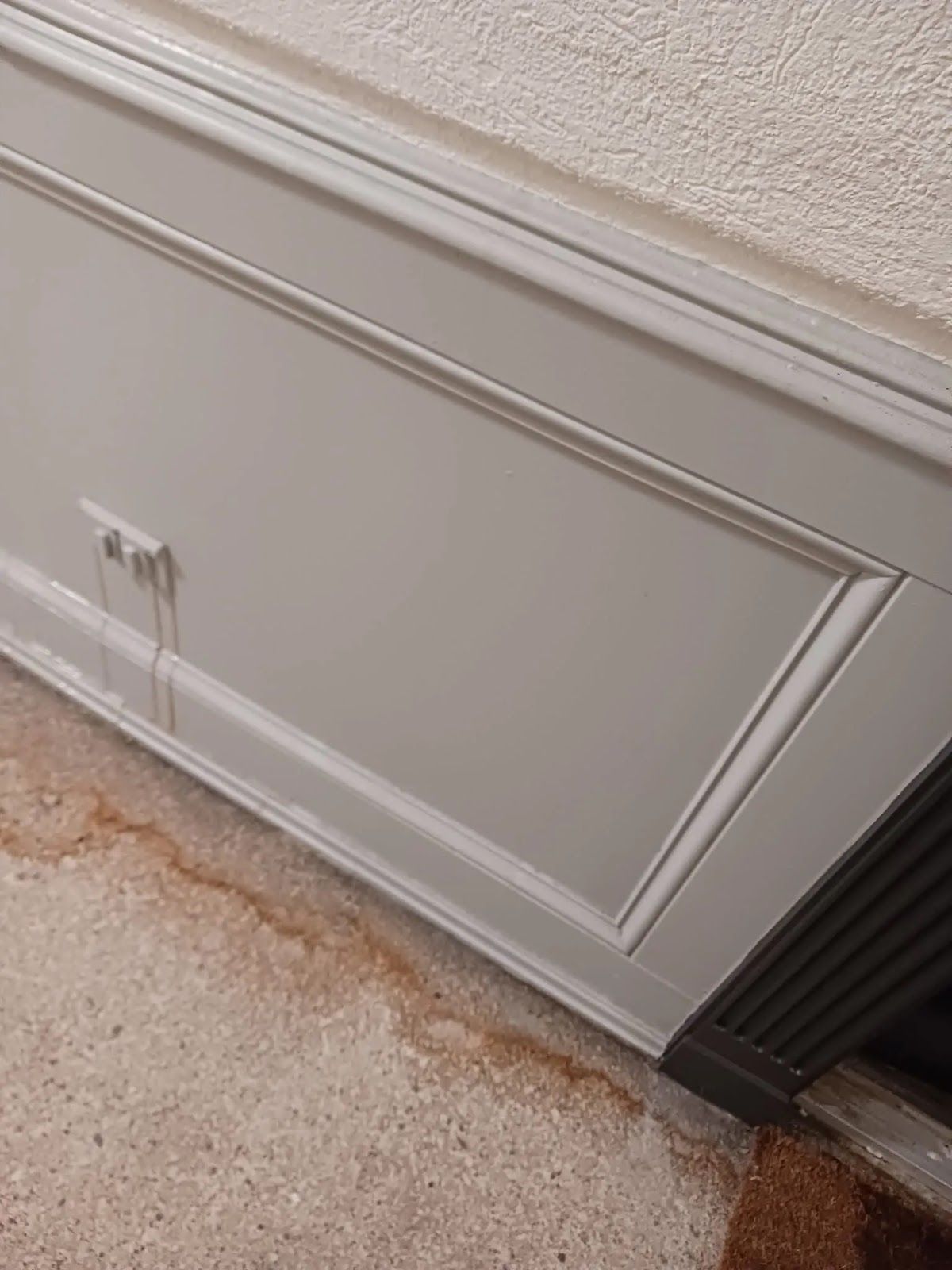
- Water Stains: Dark spots or streaks on walls or ceilings indicate moisture issues, often a precursor to water damage and mold growth.
- Peeling Paint or Wallpaper: A sign of moisture trapped behind the surface.
- Condensation: Excessive moisture on windows or walls may suggest hidden mold.
Regular inspections of your home’s structure and HVAC systems help catch these signs early, preventing more extensive damage.
What Are the Health Risks Associated with Mold Exposure?
Mold exposure can lead to various health issues, particularly for sensitive individuals, as documented by the
Centers for Disease Control and Prevention. Understanding these risks is essential for a healthy home environment.
Which Allergic Reactions and Respiratory Issues Are Linked to Mold?
Mold exposure can trigger allergic reactions and respiratory problems, including:
- Allergic Rhinitis: Symptoms include sneezing, a runny nose, and itchy eyes.
- Asthma Attacks: Mold can exacerbate asthma symptoms, leading to increased difficulty in breathing.
- Respiratory Infections: Prolonged exposure may increase susceptibility to respiratory infections, particularly in individuals with weakened immune systems.
Awareness of these risks motivates prompt remediation.
How Can Mold Affect Vulnerable Individuals in Your Household?
Children, the elderly, and individuals with pre-existing health conditions are particularly vulnerable to mold exposure.
Even small amounts of mold can lead to more severe health complications for these individuals. Promptly addressing mold issues is crucial to protect all household members.
When and How Should You Schedule a Mold Inspection in Duluth, GA?
Scheduling a mold inspection is a proactive step in maintaining a healthy home, saving you time and money.
What Are the Benefits of Professional Mold Testing Over DIY Kits?
While DIY mold testing kits are available, professional inspections offer several advantages, providing a more accurate and comprehensive assessment:
- Accuracy: Professionals use advanced equipment to detect mold not visible to the naked eye.
- Comprehensive Assessment: Experts identify moisture sources and recommend appropriate remediation strategies.
- Safety: Professionals are trained to handle mold safely, reducing exposure risk during inspection.
Investing in professional mold testing provides peace of mind and ensures thorough remediation.
How Does Peachtree Mitigation Provide Expert Mold Inspection and Remediation Services?
Peachtree Mitigation specializes in mold inspection and remediation services in Duluth, Georgia and nearby areas. If you're looking for mold testing in Duluth, we're here to help.
With 24/7 emergency services, their expert team uses state-of-the-art technology to promptly and effectively identify and address mold problems, ensuring your home is safe and healthy.
Choosing Peachtree Mitigation ensures efficient and thorough resolution of your mold issues.
Conclusion
Mold growth poses serious risks to both health and property. Recognizing visible and hidden signs allows homeowners to take proactive steps before issues escalate.
Regular inspections and professional mold testing are essential for maintaining a safe living environment. If you suspect mold, contact Peachtree Mitigation today for expert inspection and remediation services.