Category 1 vs Category 3 water contamination: What Duluth property owners must know before extraction
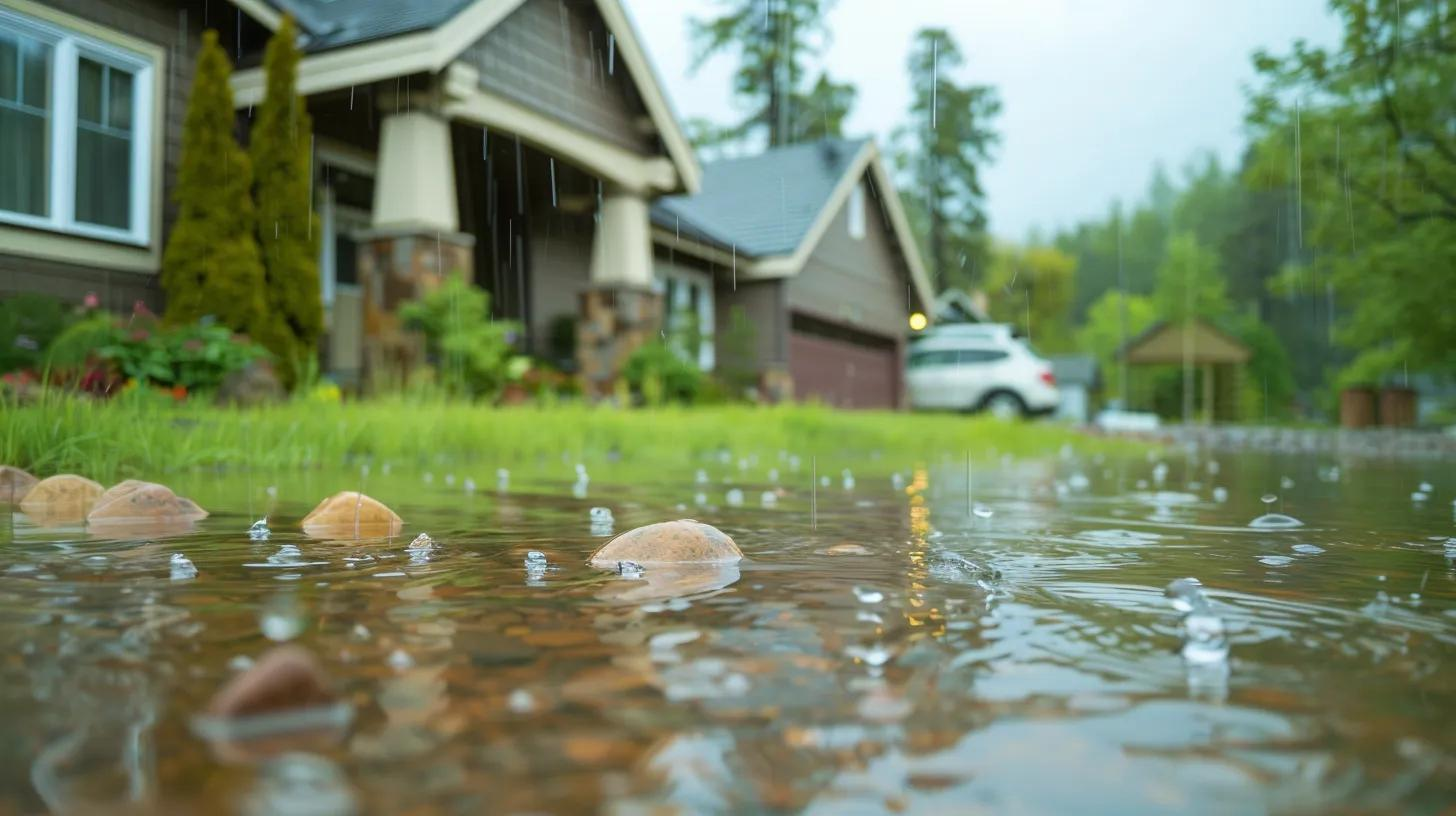
When water floods into your Duluth home from a burst pipe or a North Georgia storm, your first instinct is to grab towels and start mopping. However, not all water damage is the same. In this guide, you'll discover how to identify hazardous water categories, avoid health risks, protect your insurance coverage, and get fast, professional water damage restoration within the critical first 24 hours to keep your home safe and fully restored.
TL;DR— 24-hour emergency summary
- Water categories matter. Category 1 (clean tap supply lines) can turn into Category 2 or 3 within 24 to 48 hours in Duluth's high-humidity climate.
- Category 3 is biohazardous: Sewage backups, toilet overflows with waste, and floodwaters carry toxic bacteria and pathogens requiring specialized safety equipment and industrial antimicrobial treatment.
- DIY hazards: Mopping or vacuuming Category 3 water spreads airborne contaminants into drywall and HVAC ductwork, risking health and causing insurance claim denials.
- IICRC S500 standards: Certified extraction teams use thermal moisture mapping, negative air machines, and EPA-registered disinfectants to restore structural integrity to pre-loss condition.
Need immediate emergency water removal in Duluth, GA? Call Peachtree Mitigation 24/7 at 404-480-9525
Get a fast quote online for rapid 60-minute emergency dispatchWhat is Category 1 water damage?
Category 1 water comes from clean, sanitary sources intended for household use. Common examples in Metro Atlanta homes include:
- Burst copper or PEX water supply pipes inside walls
- Overflowing bathroom sinks or bathtubs without soap or waste
- Leaking refrigerator ice maker lines
- Clean rainwater entering through a sudden, undamaged roof breach
Why speed matters in Duluth
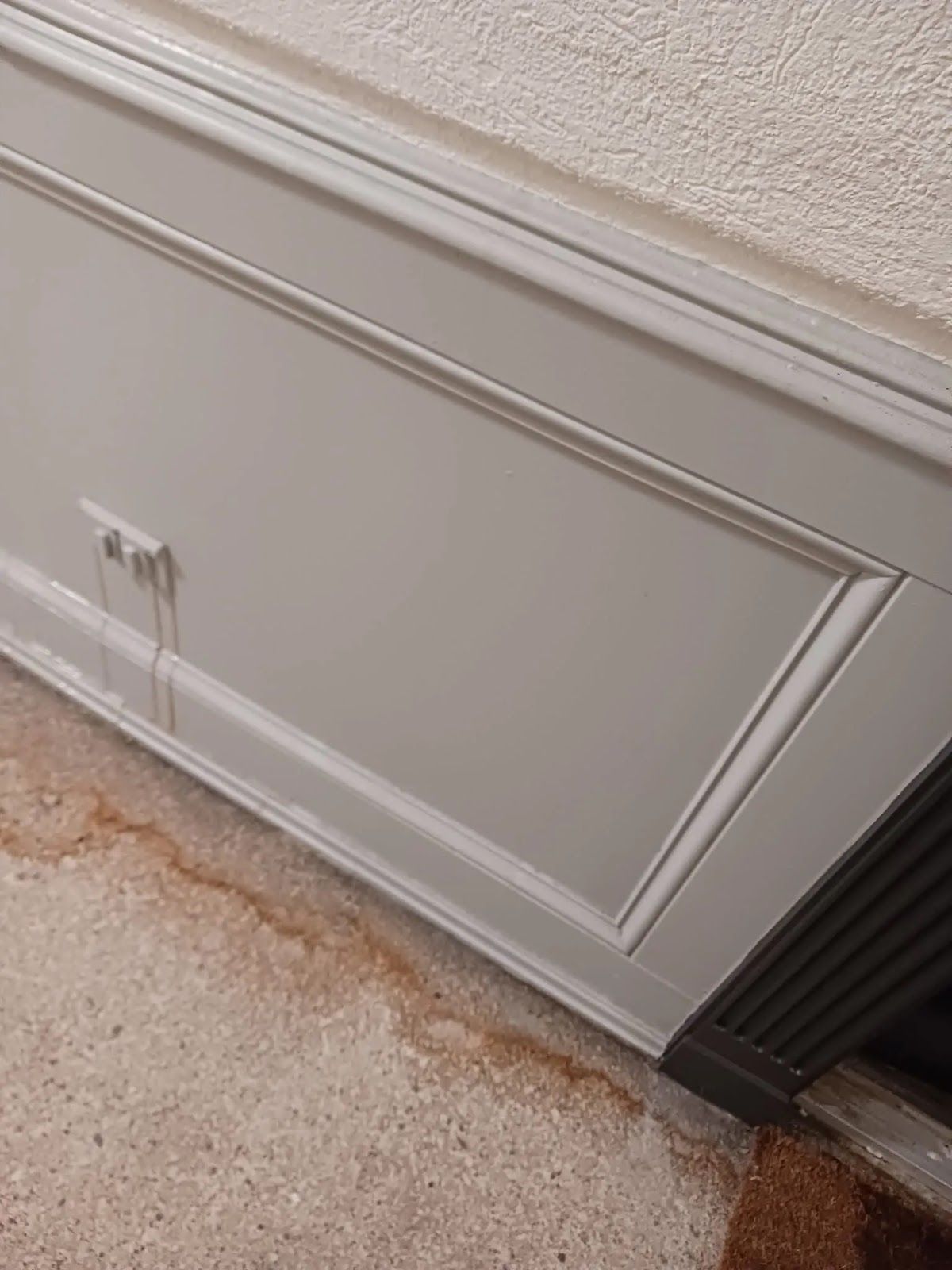
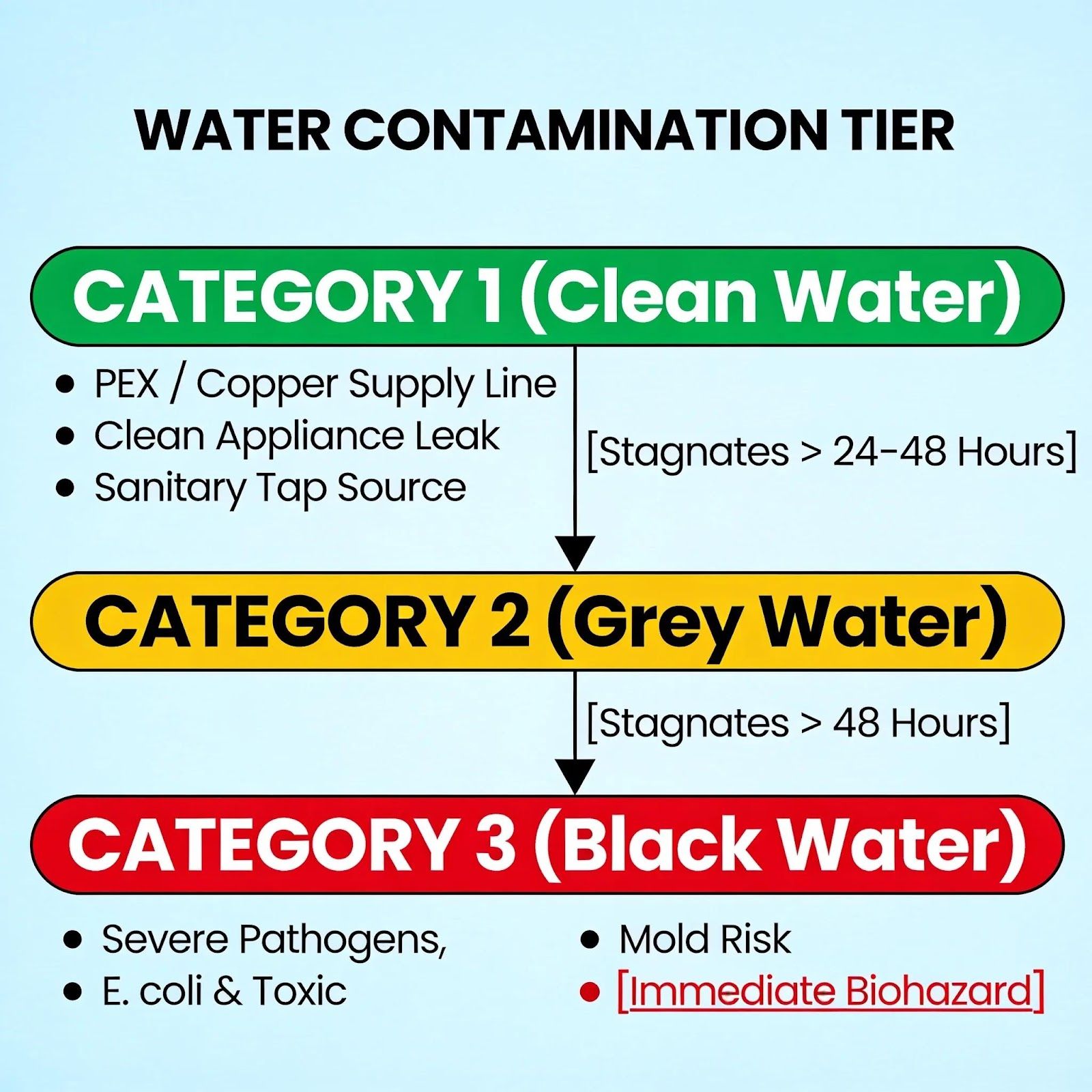
Clean tap water doesn't stay clean for long. In North Georgia's warm, humid climate, clean water absorbs dirt, dust, and organic matter from carpet padding and subfloors, causing it to degrade quickly:
- 0 to 24 hours: Safe for clean extraction; moisture saturates drywall and baseboards.
- 24 to 48 hours: Degrades into Category 2 (Grey Water) as bacteria begin to grow.
- Beyond 48 hours: Degrades into toxic Category 3 (black water) conditions, triggering rapid mold growth.
Property owners should reach out immediately to certified water damage restoration services in Duluth, GA to extract clean water before structural degradation occurs.
What is category 3 water damage (black water)?
Category 3 water (often called "black water") carries dangerous bacteria, viruses, and sewage contaminants. If you suspect black water in your home, keep your family and pets out of the affected area while our certified team handles the cleanup safely.
| Contamination classification | Source examples | Pathogens and hazards present | Required removal equipment |
|---|---|---|---|
| Category 1 (Clean) | Tap water, burst PEX lines, and tub overflow | None initially; minimal microbial risk | Commercial LGR dehumidifiers and axial air movers |
| Category 2 (Grey) | Dishwasher discharge, washing machine overflow, and sump pump failure | Microorganisms, detergents, and moderate bacteria | EPA-registered antimicrobials and HEPA air scrubbers |
| Category 3 (Black) | Sewage backups, toilet overflows with waste, and river flooding | E. coli, Salmonella, Hepatitis A, Norovirus, and parasites | Full protective suits, respirators, and negative air containment |
Primary causes of Category 3 water intrusion in Gwinnett County
- Sewer main backups: Municipal sewer lines overloaded during heavy rainstorms can push raw sewage back through basement floor drains and toilets.
- Toilet overflows containing waste: Water originating from beyond the toilet trap containing sewage or bacteria.
- Ground surface flooding: Runoff from heavy downpours sweeping over lawns and asphalt into basements, carrying lawn fertilizers, animal waste, and pollutants.
- Neglected Category 1 or 2 intrusion: Stagnant water left untreated for over 48 hours.
Why DIY cleanup of Category 3 water is extremely dangerous
Attempting DIY cleanup of sewage or black water spreads dangerous pathogens into your home's air systems and typically voids insurance coverage due to improper mitigation protocols.
When faced with flooded basements or sewage spills, homeowners often attempt to use shop vacuums or household mops. In Category 3 scenarios, this creates severe environmental and financial risks:
1. Spreading airborne contaminants
Household mops and shop vacuums lack sealed HEPA filters. Vacuuming sewage water blows microscopic bacteria (E. coli, Salmonella) and mold spores directly into your indoor air, where your family can inhale them.
2. Porous material contamination
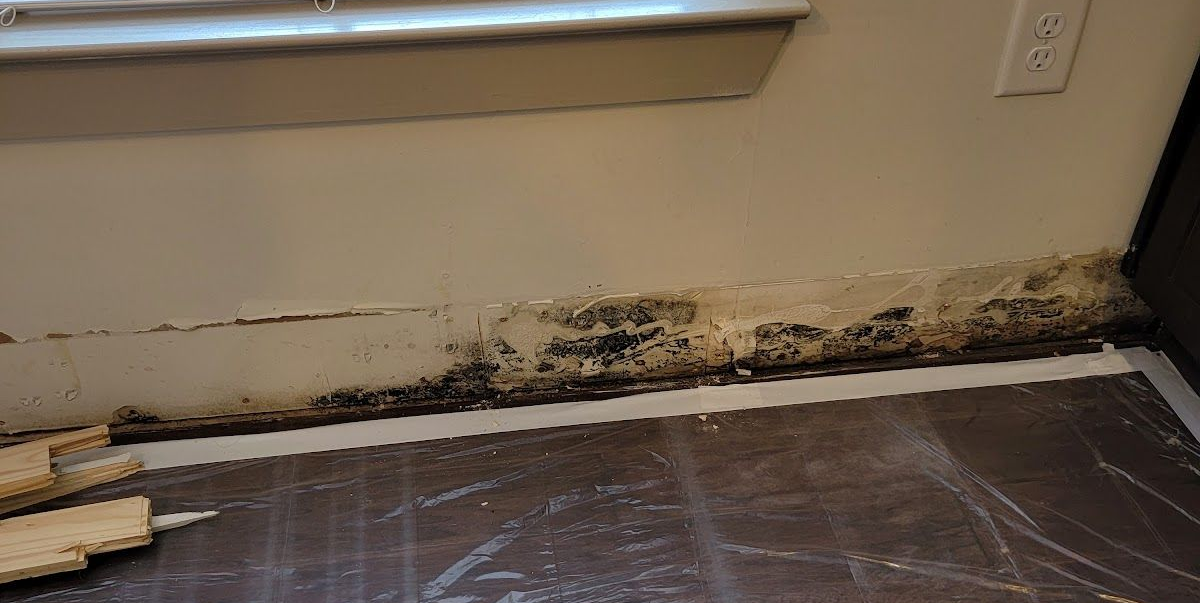
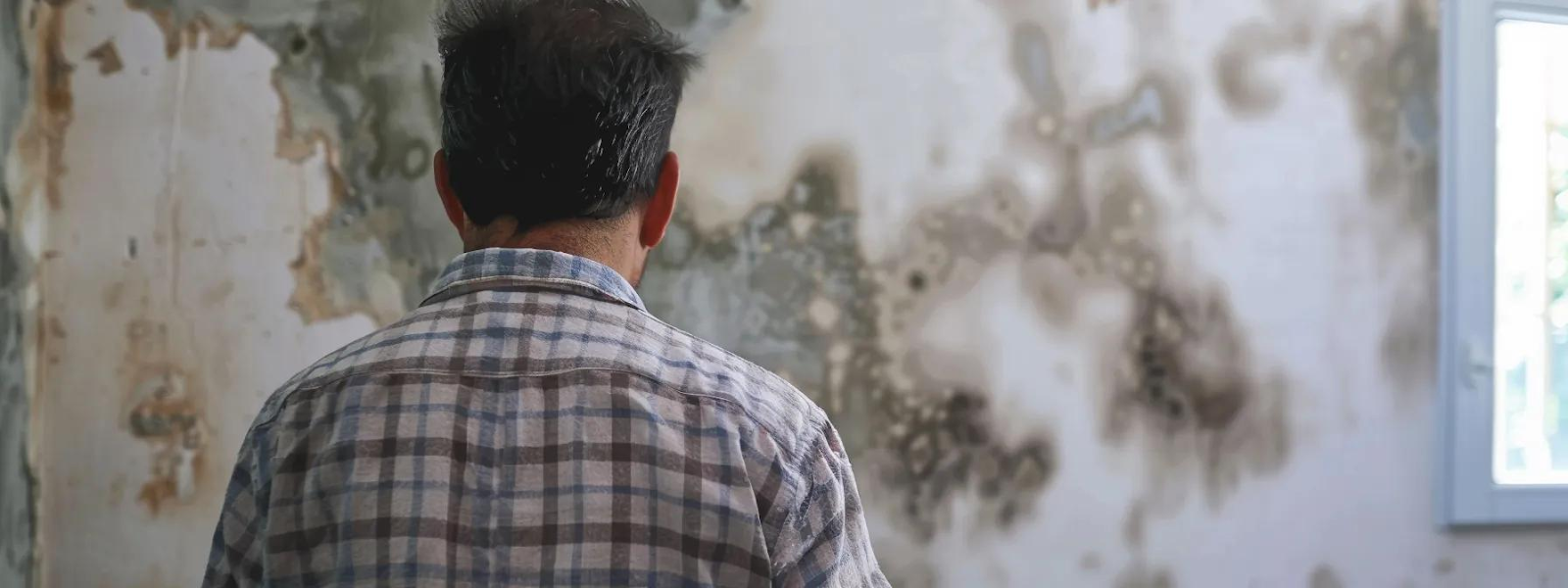
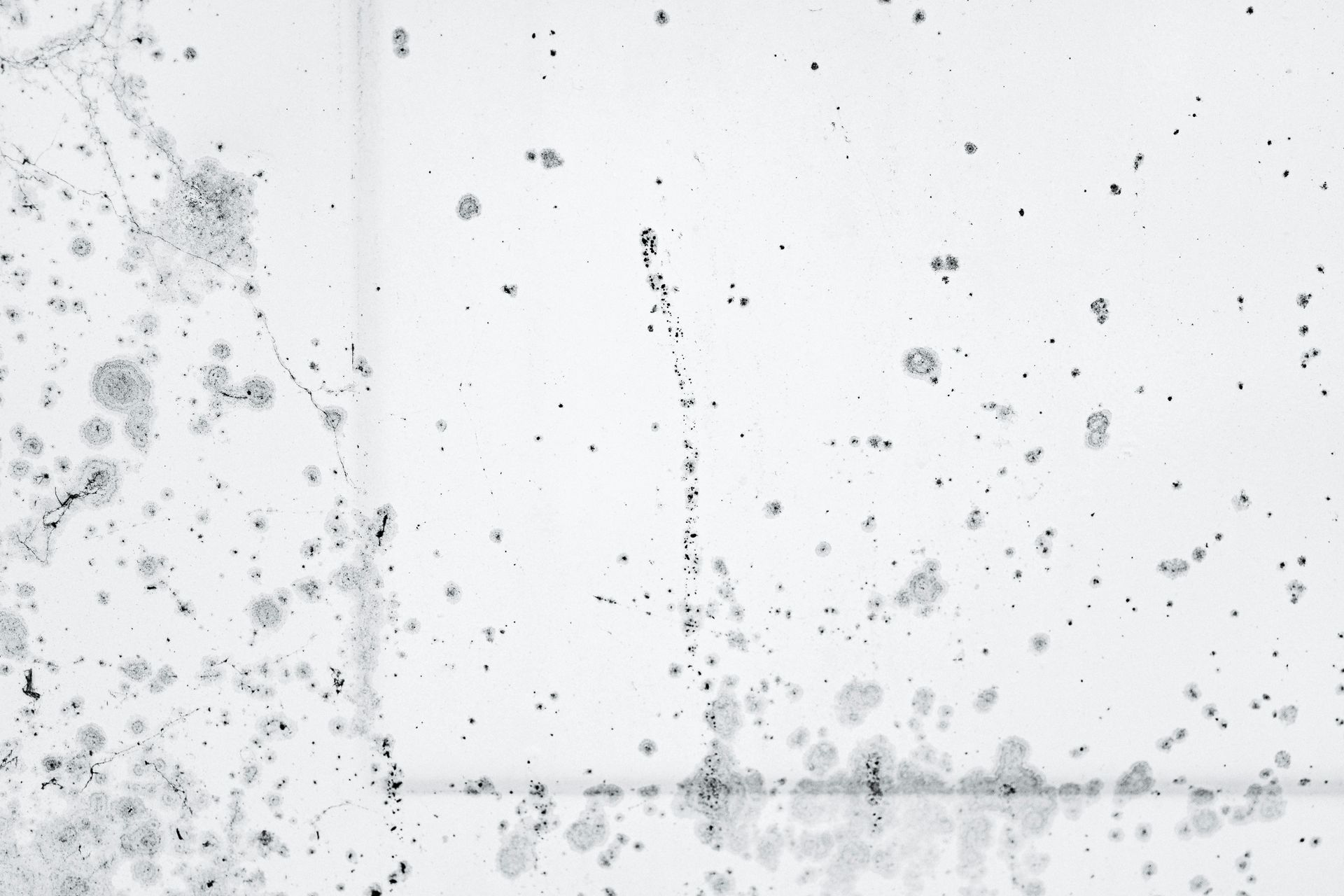
Subflooring, carpet padding, drywall, and insulation act like sponges. Simply drying the surface leaves trapped moisture inside wall cavities, causing structural rot and hidden black mold (Stachybotrys chartarum).
3. Structural contamination and insurance risks
Insurance adjusters in Georgia inspect water damage claims carefully. If a homeowner attempts DIY cleanup on sewage damage without proper moisture mapping or certified disposal records, insurance companies can deny coverage for subsequent mold growth or structural repairs.
According to guidelines established by the
IICRC S500 Standards for Professional Water Damage Restoration, biohazardous water events must always be handled by certified professionals equipped with full personal protective equipment (PPE) and EPA-registered disinfectants.
The Peachtree Mitigation 5-step extraction and remediation protocol
Peachtree Mitigation uses a 5-step industrial drying protocol incorporating infrared moisture mapping, heavy-duty extraction, biocide treatments, and insurance claim documentation.
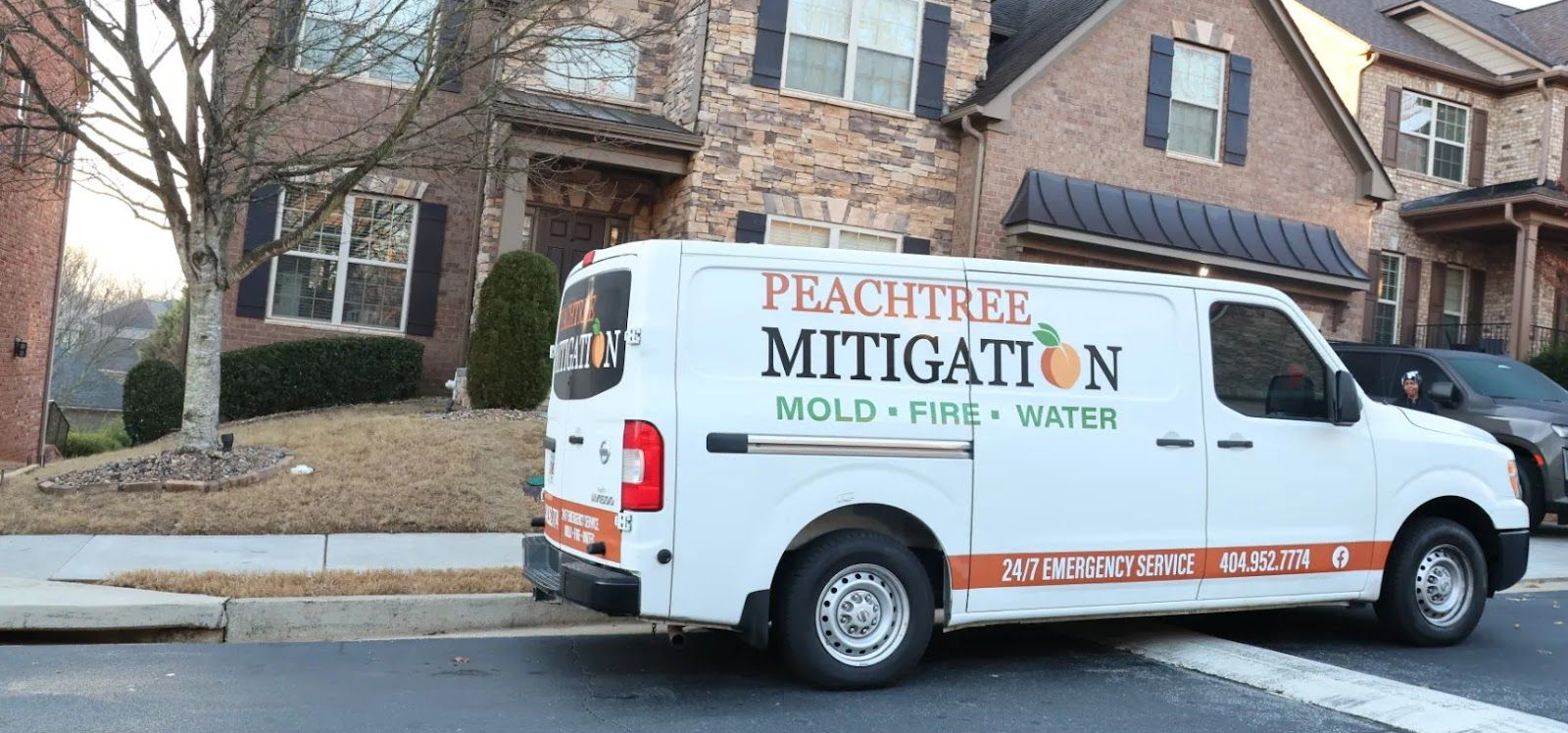
When our emergency response vehicle arrives at your Duluth home, our IICRC-certified restoration specialists execute the Peachtree Mitigation Extraction Framework:
Step 1: Infrared moisture mapping and categorization
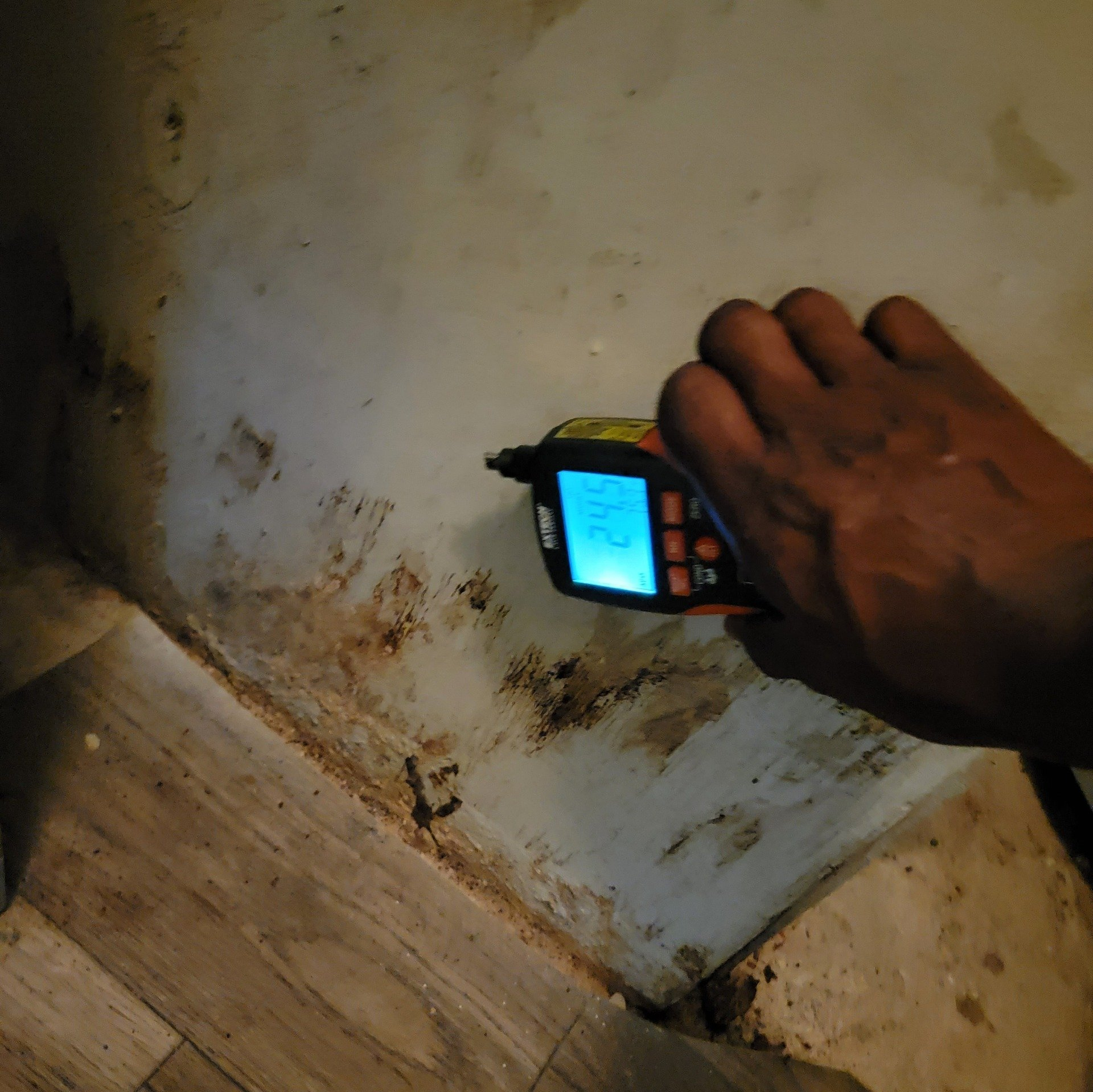
Using non-invasive FLIR thermal imaging cameras and pinless moisture meters, we map the exact boundary of hidden water behind drywall, under hardwood floors, and inside ceiling joists without cutting unnecessary holes.
Step 2: High-volume submersible extraction
We deploy truck-mounted water extraction units capable of removing thousands of gallons of standing water per hour. For Category 3 spills, negative pressure containment is established to prevent airborne cross-contamination into clean rooms.
Step 3: Safe removal of damaged materials
For Category 3 water, wet carpet padding, ruined drywall up to 24 inches above the water line, and saturated insulation cannot be sanitized and are safely removed following strict biohazard disposal standards.
Step 4: EPA-registered antimicrobial sanitization
All structural framing, concrete slabs, and non-porous surfaces are treated with EPA-registered botanical antimicrobials and biocides to neutralize bacterial pathogens, viruses, and mold spores completely.
Step 5: LGR dehumidification and structural moisture monitoring
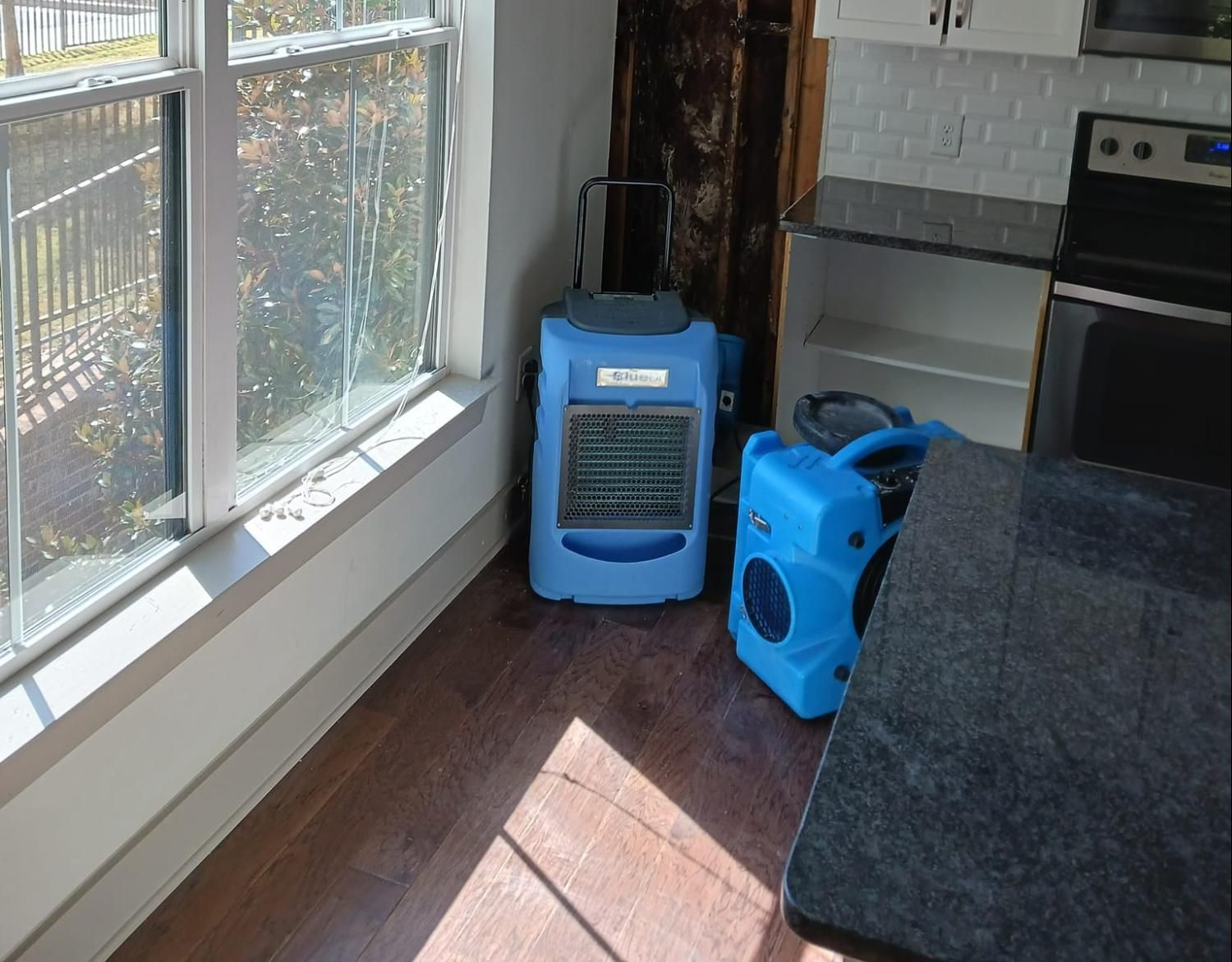
We deploy Low Grain Refrigerant (LGR) industrial dehumidifiers alongside high-velocity axial air movers. Our team conducts daily moisture readings, logging humidity and moisture content metrics until your home reaches certified dry standards.
Navigating Georgia homeowners insurance claims for water damage
Most Georgia homeowners policies cover sudden and accidental Category 1 and Category 3 water damage, provided you take immediate steps to mitigate further loss.
What is covered vs. excluded
- Covered: Sudden and accidental water discharges (e.g., burst supply hoses, frozen pipe ruptures, and fire sprinkler releases).
- Requires special rider or endorsement: Water backup from sewers or drains (Water Backup Endorsement).
- Excluded: Gradual leaks lasting months due to deferred maintenance or regional overland river flooding (which requires separate NFIP flood insurance).
Direct insurance billing and documentation support
At Peachtree Mitigation, we take the stress off your shoulders. We document every step of your recovery with detailed photos, digital moisture readings, and itemized estimates using the exact software insurance adjusters rely on. We bill your insurance company directly, ensuring your claim moves forward smoothly without out-of-pocket delays.
Frequently asked questions about water damage in Duluth, GA
Fast responses to common water damage questions help Duluth property owners make informed, safe decisions during emergency flooding.
Can Category 1 water turn into Category 3 water?
Yes. Clean tap water (Category 1) absorbs surface dirt and carpet chemicals within 24 to 48 hours, degrading into Category 2 (grey water). If left untreated beyond 48 hours in Duluth's warm climate, bacterial growth transforms it into Category 3 (Black Water).
How long does structural drying take for a flooded home?
Standard industrial structural drying takes between 3 to 5 days. Factors affecting drying time include the volume of water, building materials affected, indoor humidity, and how quickly professional extraction equipment was installed.
Should I throw away furniture touched by Category 3 sewage water?
Porous items such as mattresses, upholstered sofas, plush chairs, and carpet padding that have absorbed Category 3 sewage water cannot be fully disinfected and must be safely discarded. Non-porous items like solid wood, glass, and metal can often be sanitized and restored using professional antimicrobials.
Conclusion: Protect your home with rapid 24/7 water damage restoration
Water damage is a time-sensitive emergency. Whether you're dealing with a minor Category 1 supply line leak or a hazardous Category 3 sewage intrusion, acting within the first 24 hours is essential to prevent severe structural decay, toxic mold growth, and denied insurance claims.
At Peachtree Mitigation, Joe Preston and our certified restoration team are ready 24/7/365 to protect your Duluth home. We provide rapid 60-minute emergency dispatch, industrial water extraction, thermal moisture mapping, and direct insurance billing to make your recovery stress-free.
Facing a water emergency in Duluth or Metro Atlanta right now?
Call Peachtree Mitigation 24/7 at 404-480-9525 or
Request a Fast Emergency Quote Online to dispatch Joe Preston's certified team immediately.
About the author
Joe Preston is an IICRC-certified restoration expert and the owner of Peachtree Mitigation in Duluth, GA. Specializing in Category 1–3 water extraction, thermal moisture mapping, and structural drying, Joe ensures all disaster recovery meets strict IICRC S500 industry standards. Joe and his team serve Gwinnett County and Metro Atlanta with 24/7 emergency service and direct carrier billing.