The 48-Hour Rule for Mold Prevention After Water Damage
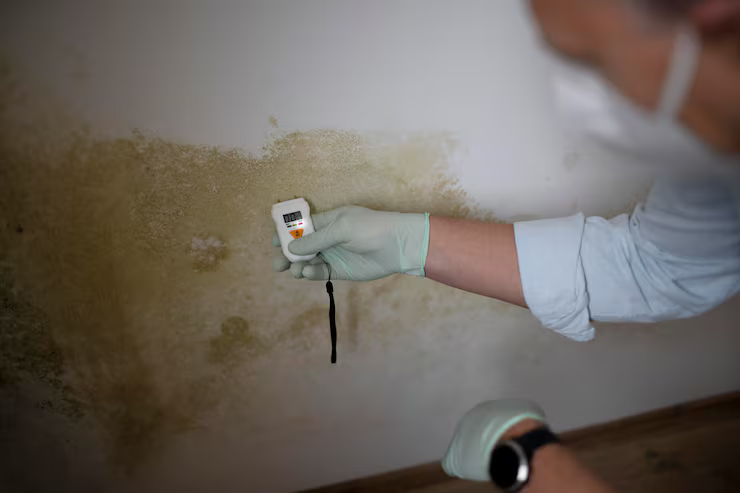
Imagine walking into your home to find a burst pipe has flooded your living room. The immediate stress is overwhelming, but the real threat to your property’s value is the invisible microbial growth that begins within hours.
By reading this guide, you will learn how to master the "48-hour window" to prevent permanent mold colonization, potentially saving you tens of thousands of dollars in long-term remediation costs. At
Peachtree Mitigation in Duluth, we provide a technical overview of the biological requirements for mold, the physics of structural drying, and the specific water damage restoration protocols we use to keep your home safe and your equity intact.
TL;DR
- Mold spores require moisture and organic material to grow, typically starting within 24 to 48 hours after water exposure.
- Physical extraction of standing water is essential before evaporation to effectively reduce moisture and prevent mold growth.
- Indoor relative humidity must be maintained below 50% using industrial LGR dehumidifiers to inhibit fungal colonization.
- Psychrometric monitoring ensures proper drying by managing temperature, humidity, and vapor pressure during restoration.
- Each structural material has specific dry standards that must be met to prevent mold and structural damage.
- Hidden moisture behind walls and under flooring is a major mold risk and requires professional detection tools like infrared thermography.
- HEPA air scrubbers combined with controlled airflow prevent mold spores from spreading during the drying process.
- Category 3 water damage requires sanitization with EPA-registered antimicrobials before drying to eliminate biological contaminants.
- Professional moisture assessments confirm that all affected areas meet dry standards to ensure effective mold prevention.
Stop mold before it starts!
Call Peachtree Mitigation Now for a Free Duluth InspectionThe Biology of Fungal Growth
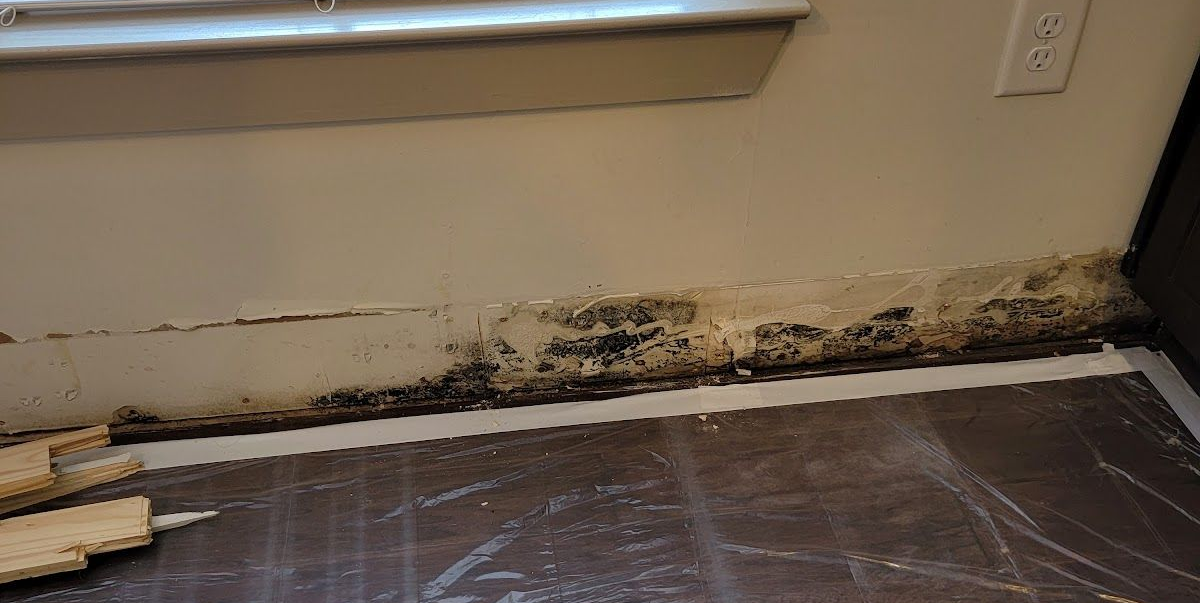
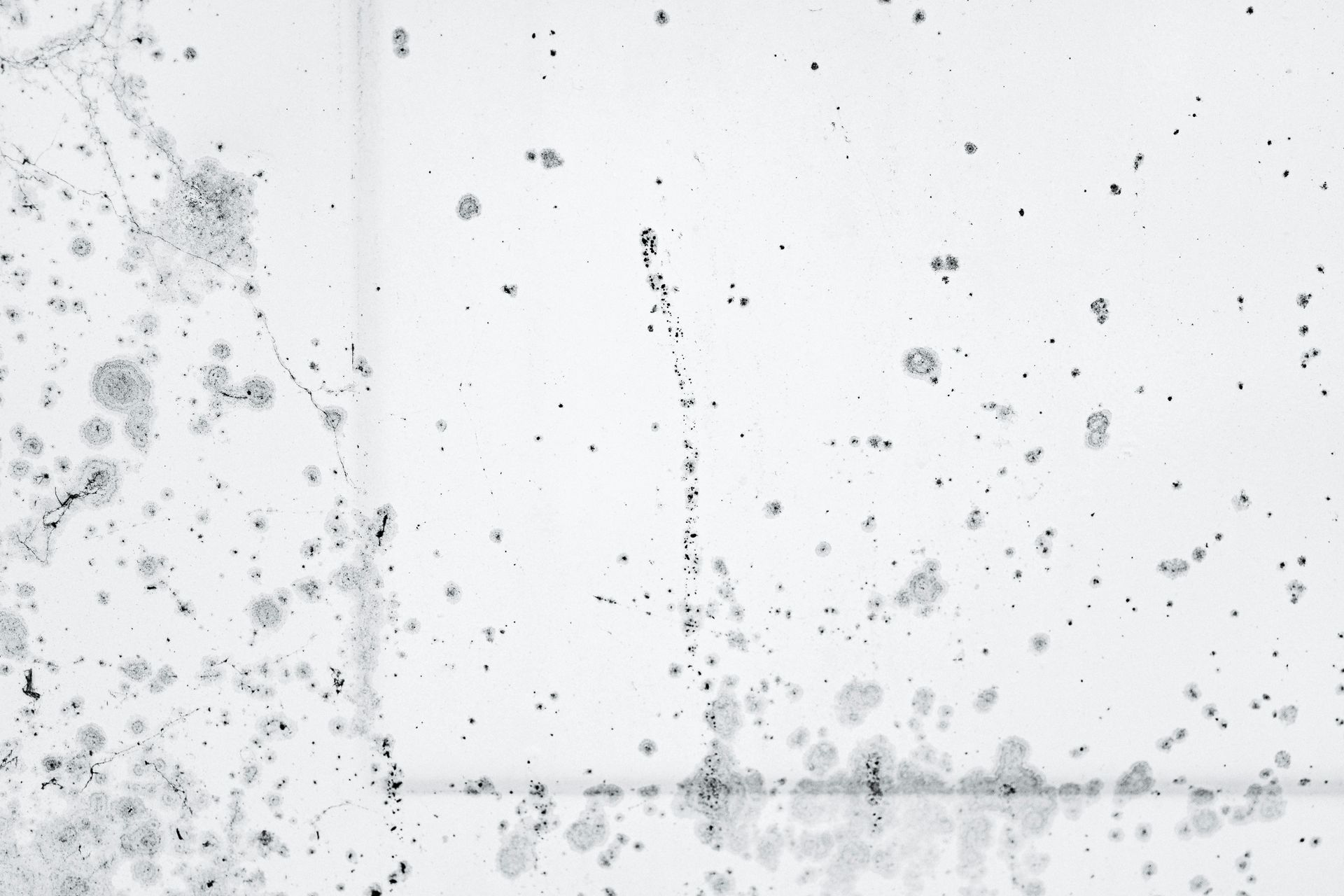
Mold spores are a natural part of the Duluth environment. These spores remain dormant until they encounter specific conditions. To begin growing, spores require a food source such as drywall or wood. They also require a consistent source of moisture.
Environmental Factors
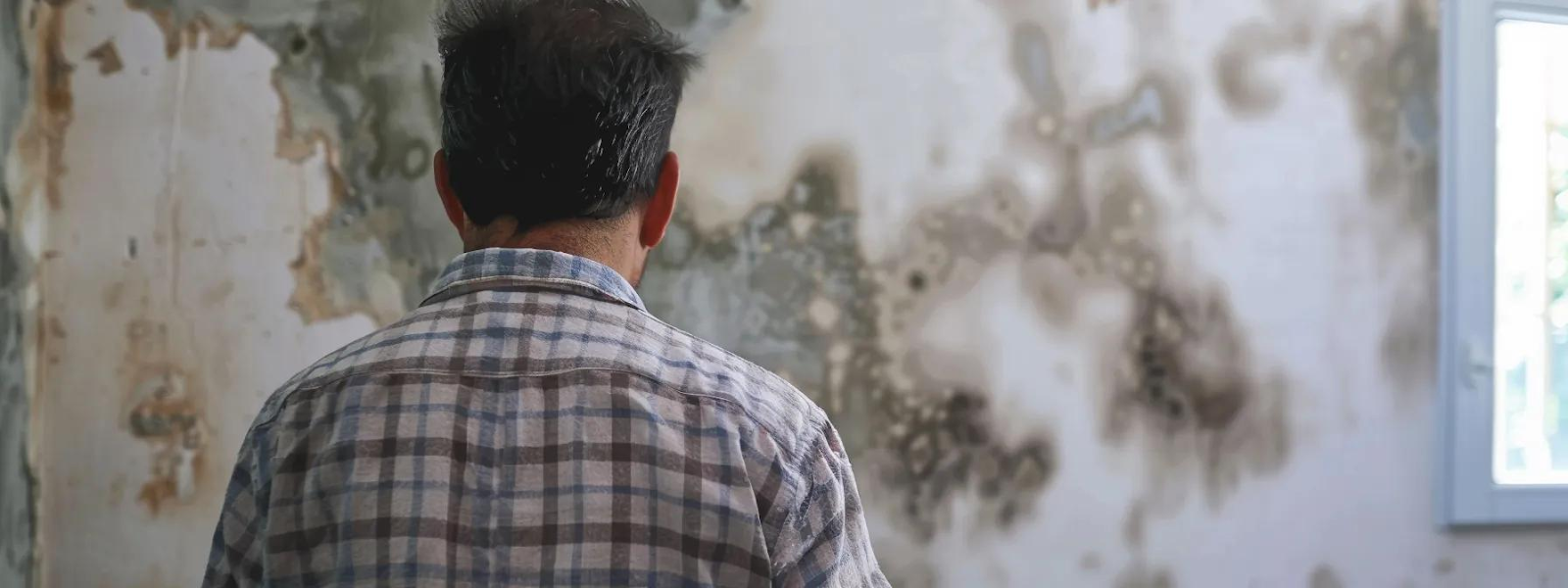
You cannot easily remove the structural materials of your home, but you can manage the moisture levels. The EPA states that mold growth can initiate on damp surfaces within 24 to 48 hours. In the high-heat environment of a Georgia summer, this timeline is rigid. If materials remain saturated, the fungi begin to break down organic matter. This leads to structural damage and respiratory risks.
The Mitigation Protocol
Effective mold prevention requires managing the indoor environment through specific technical steps.
Extraction Requirements
Placing fans over standing water is a common error. Evaporation is the second stage of restoration. The first stage is physical extraction. Removing water in its liquid state is significantly more efficient than attempting to dehumidify it later. Professional sub-surface extractors pull water from carpet pads and hardwood layers that standard consumer vacuums cannot reach.
When we perform water damage restoration in Duluth, we prioritize physical extraction to remove bulk moisture. Skipping this step keeps the indoor humidity in a range that supports fungal growth for an extended period.
Managing Local Humidity
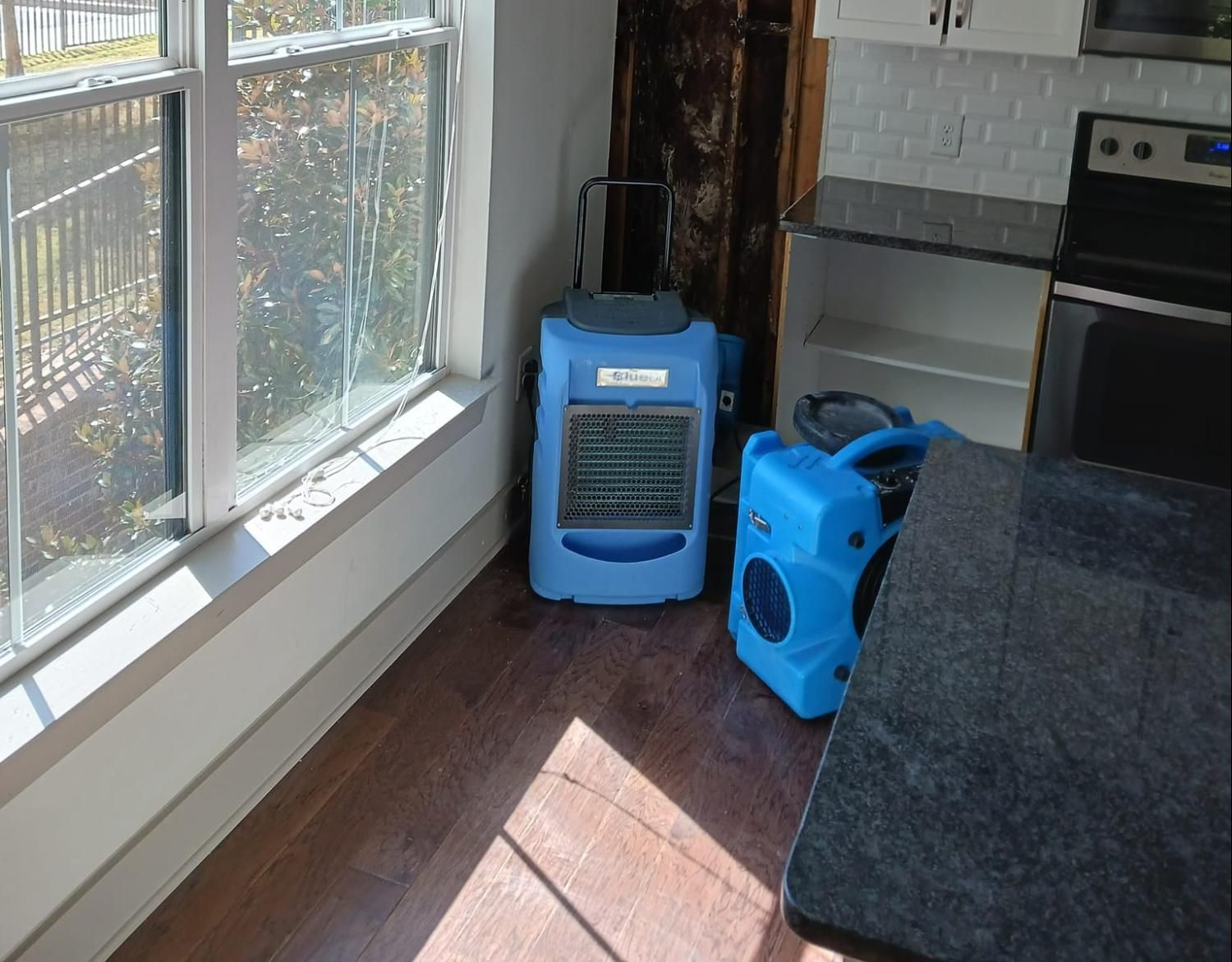
Outdoor relative humidity in Duluth often exceeds 70%. Opening windows to dry a room often introduces more moisture into the building. To prevent mold, the indoor relative humidity must be reduced below 50%. This requires industrial LGR (Low Grain Refrigerant) dehumidifiers. These machines remove moisture from the air even in the humid conditions of the Southeast. This creates the dry environment necessary to pull water out of structural studs and flooring.
The Science of Structural Drying: Psychrometric Charting
Restoration professionals use psychrometrics to monitor the drying process. This study of air and water vapor allows us to manage the relationship between temperature and humidity. We track "Grains Per Pound" (GPP)—a measurement of the weight of water vapor in the air—to ensure the environment is conducive to evaporation.
Vapor Pressure and Evaporation
Water moves from areas of high vapor pressure to low vapor pressure. If the air in a Duluth home is saturated, the water trapped in the drywall cannot evaporate. By using LGR dehumidifiers, we create a low-vapor-pressure environment. This forces the moisture out of the building materials. Without this controlled environment, moisture remains trapped in the wall cavities. This provides a breeding ground for mold even if the surface appears dry.
Equilibrium Moisture Content (EMC) of Structural Materials
To stop mold, we must reach the Equilibrium Moisture Content (EMC) for every material in the affected area. EMC is the point at which a material is neither gaining nor losing moisture to the surrounding air.
Material-Specific Dry Standards
- Drywall: Typically considered "dry" at a moisture content of 10-12%. Above 16%, the risk of mold colonization on the paper backing increases significantly.
- Hardwood Flooring: Dry standards are relative to the "dry goal" established in an unaffected area of the home. We typically look for a reading within 2-4% of the dry goal.
- Structural Studs: Douglas Fir or Yellow Pine studs must be brought below 15% moisture content to prevent wood-decay fungi and structural compromise.
Identifying Hidden Moisture
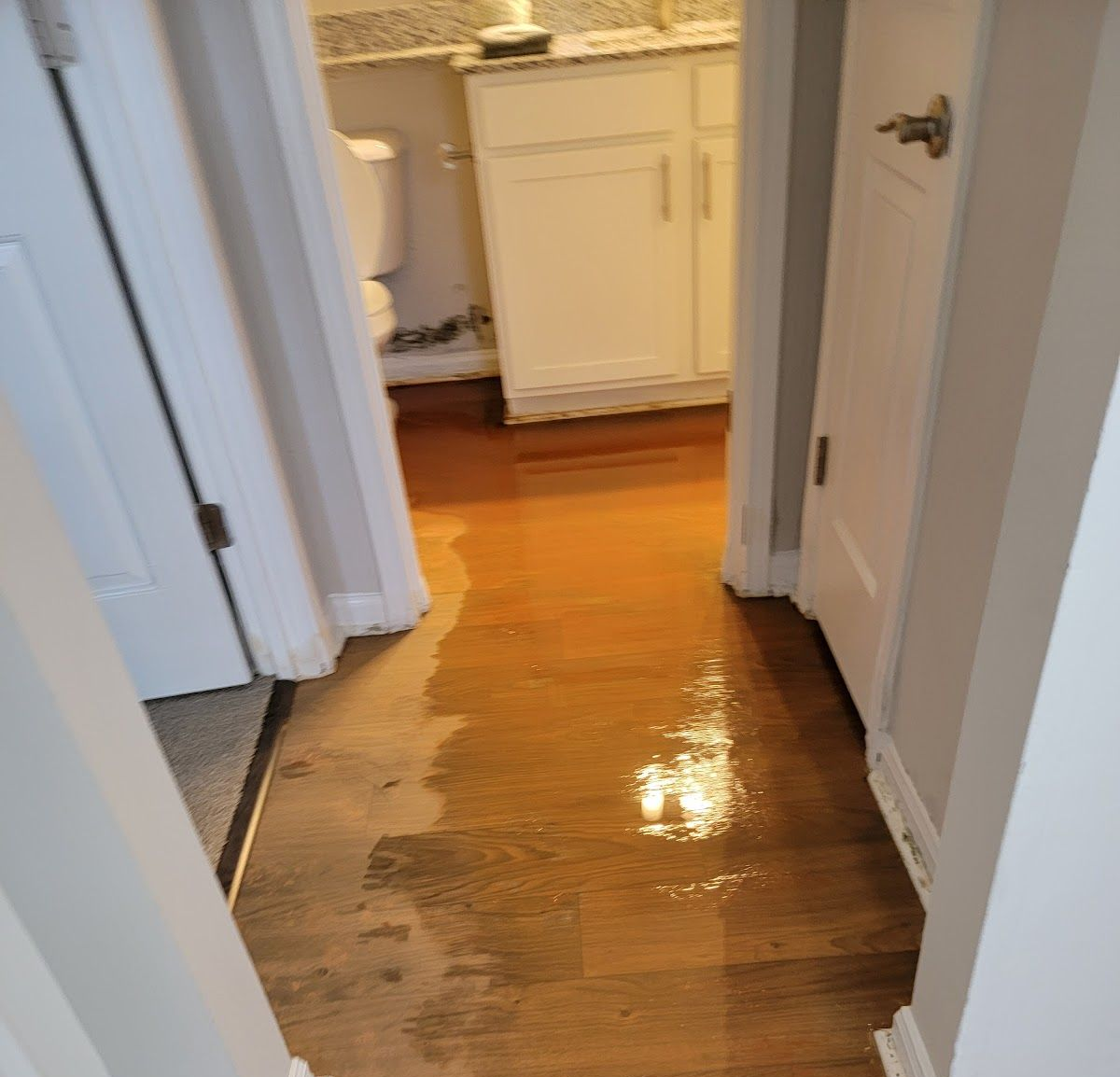
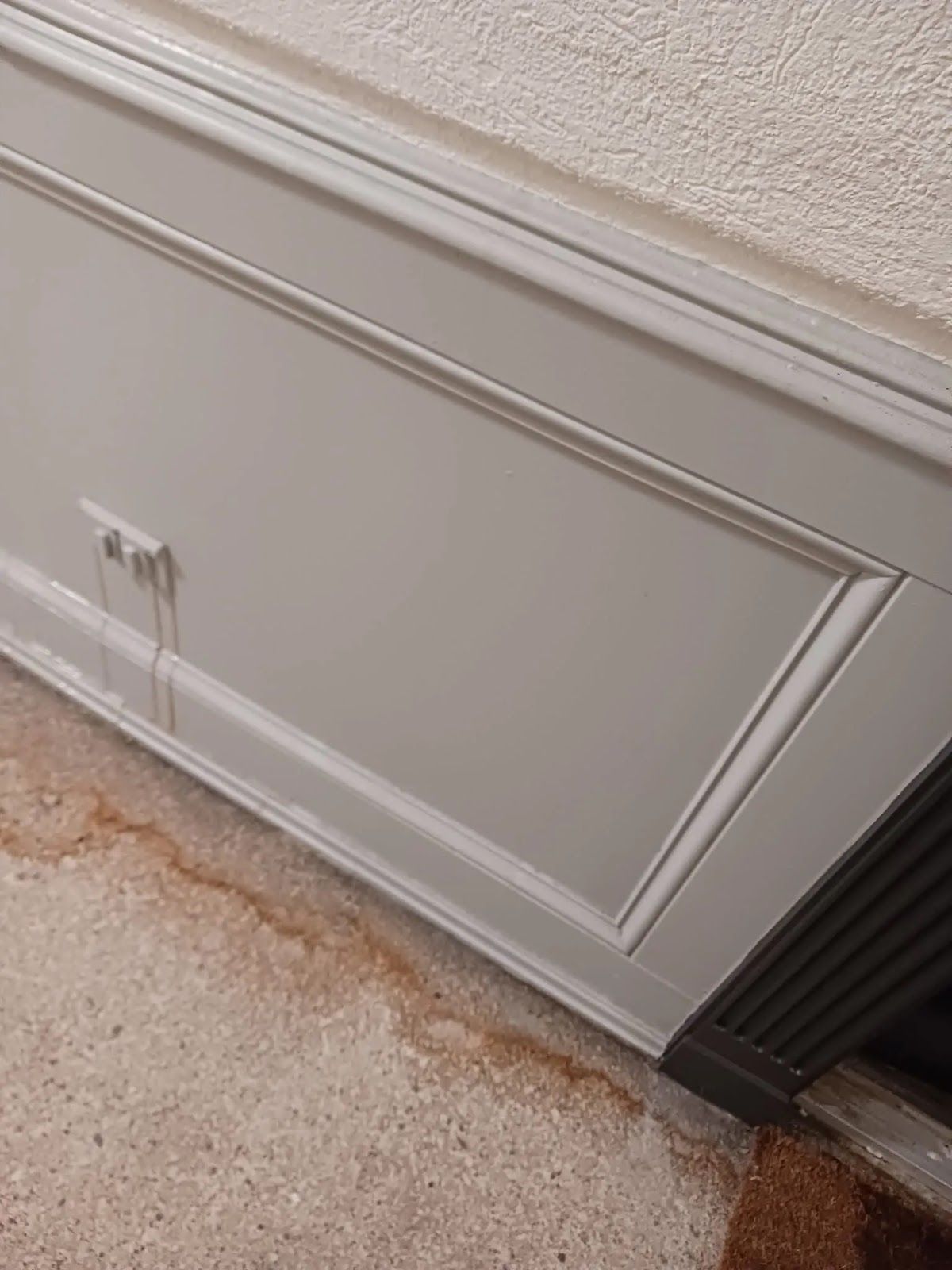
The most significant mold risks are often invisible. Water follows gravity and capillary action, seeping behind baseboards and into floor systems.
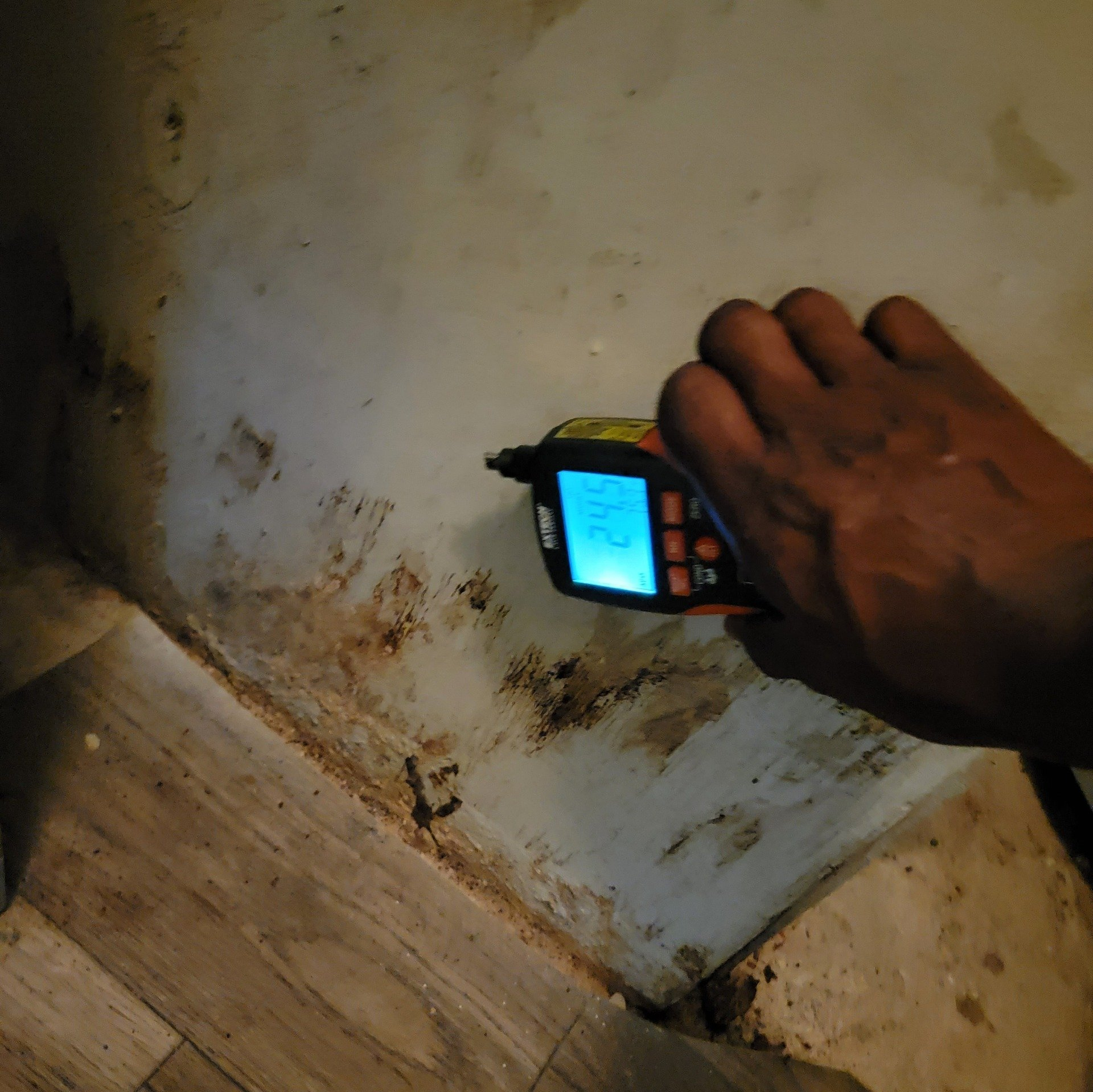
We use infrared thermography and moisture meters to locate these pockets. A wall may feel dry to the touch while the insulation behind it remains at 90% saturation. Sealing this moisture inside a wall creates a localized environment for mold. Professional verification is required to ensure the entire structure has reached a dry standard.
Vapor Barriers and Trapped Water
Materials like vinyl wallpaper or laminate flooring act as vapor barriers. If water gets behind these materials, it cannot evaporate naturally. We frequently find mold growth where the exterior of a wall looks clean, but the gypsum core of the drywall is saturated.
Professional Standards for Restoration
Our team follows the IICRC S500 standards for professional water damage restoration. These standards define the "dry standards" for different materials. Hardwood and drywall have different equilibrium moisture levels. Prevention is only successful when every affected material reaches its specific dry standard.
Contaminated Water Risks
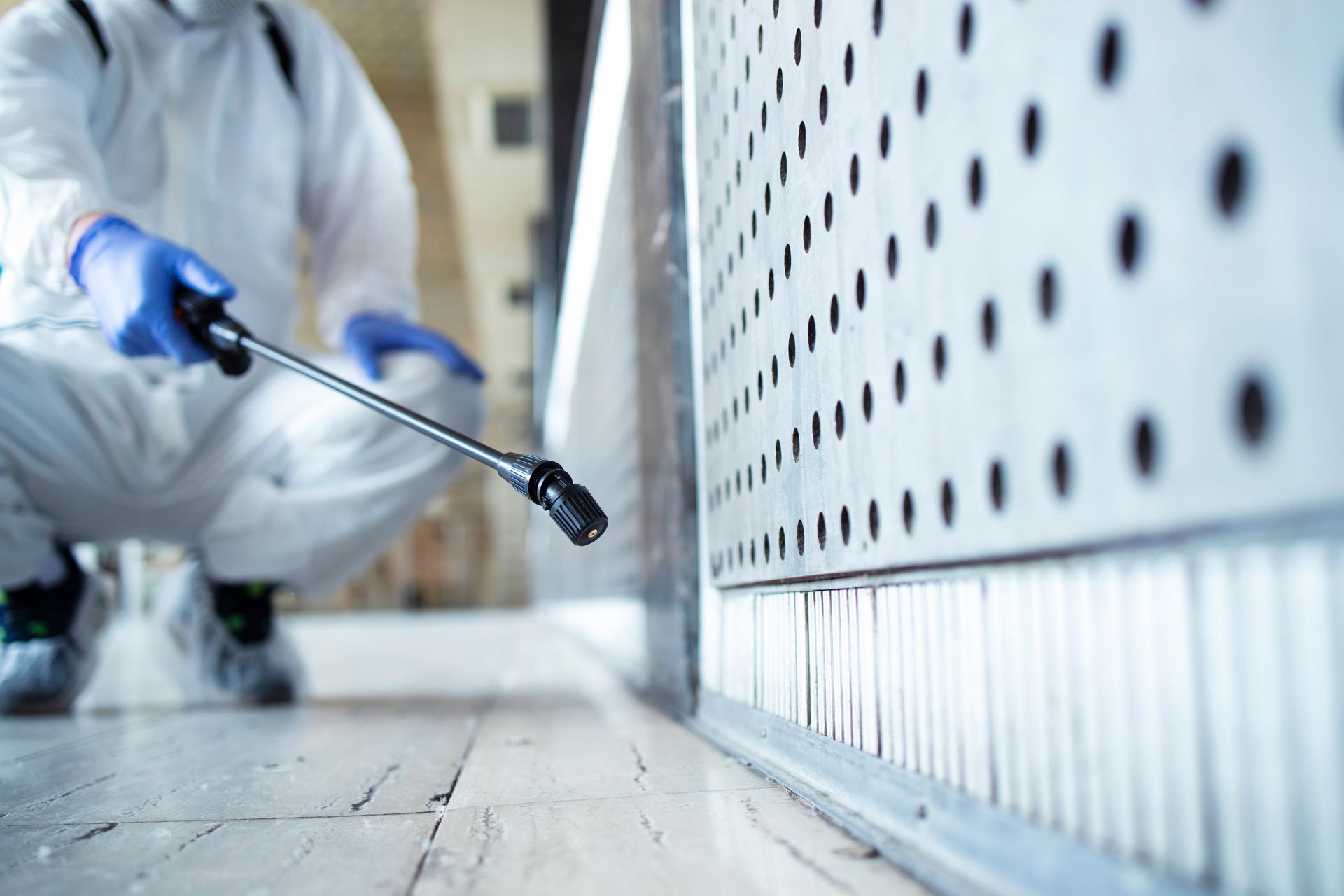
If the damage involves sewage or storm surge (Category 3 water), the risk includes bacterial pathogens. In these scenarios, prevention requires sanitization with EPA-registered antimicrobials before the drying process is complete. You cannot dry out Category 3 water without first addressing the biological contaminants.
The Role of Airflow in Fungal Mitigation
While dehumidification removes the moisture, airflow is the vehicle that carries it to the dehumidifier. However, improper airflow can actually spread mold spores. In a professional setting, we use HEPA air scrubbers alongside air movers. This creates a "closed-loop" drying system where the air is filtered as it circulates. This ensures that any spores disturbed during the drying process are captured rather than redistributed throughout your Duluth property.
Advanced Dehumidification: LGR vs. Conventional
In the Duluth climate, conventional dehumidifiers often fail once the GPP drops below a certain level. We utilize Low Grain Refrigerant (LGR) dehumidifiers because they are engineered to continue removing water vapor even in "dry" air (below 55 GPP). This "deep drying" is what prevents the lingering moisture that leads to delayed mold blooms weeks after the initial event.
Conclusion: Verifying Structural Dryness
Mold prevention is a matter of physics. If you have experienced a leak, do not wait for a musty odor to indicate a problem. Fungal colonies are often established by the time an odor is present. The primary concern is the removal of moisture from the hidden areas of the home. Professional moisture assessments confirm that the spaces inside your walls are below the threshold for growth.
Ensure your home is dry.