5 Warning Signs of Hidden Water Damage Every Duluth Homeowner Should Know
Most water damage in Duluth stays hidden behind your walls. You might not see a flood, but you might smell a musty odor or notice a soft spot on the floor. This guide teaches you how to find these silent leaks before they rot your home's structure. We show you the exact signs to look for so you can act fast. When you catch these issues early, the process of water damage restoration becomes much simpler and less invasive. Learn how to save your home from unseen threats today.
TL;DR
- Hidden water damage often emits a musty odor indicating mold growth behind walls and wood rot.
- Peeling paint and warped baseboards signal prolonged moisture exposure and potential structural damage.
- A sudden spike in water bills can reveal leaks, including dangerous slab leaks under the foundation.
- Discoloration and ghosting on walls or ceilings indicate moisture attracting dust and early water damage signs.
- Common hidden leak areas include kitchen appliances, slab foundations, and clogged AC drain lines.
- Infrared thermal imaging and moisture meters help detect hidden water without damaging the home's structure.
- Professional restoration follows a strict timeline: inspection, extraction, stabilization, removal, drying, monitoring, and final checks.
- Early detection and restoration prevent mold growth and extensive structural damage in Duluth homes.
Stop mold before it starts!
Get a Fast Quote for Duluth RestorationThe Silent Culprits of Household Water Damage
Water is a persistent force. In our North Georgia climate, high humidity makes small leaks worse. A minor drip quickly turns into a big project. According to the Insurance Institute for Business & Home Safety (IBHS), water damage is a top cause of home loss. A major flood is scary. But slow, silent leaks behind appliances often cause more harm. They stay hidden for weeks or months. Water travels in complex ways. Gravity pulls it down. But it also moves sideways through drywall and insulation. A leak in a Gwinnett County bathroom might show up in a first-floor closet. As your neighbors, we understand this movement. It is the first step in expert water damage restoration.
1. The "Musty" Indicator: Using Your Senses
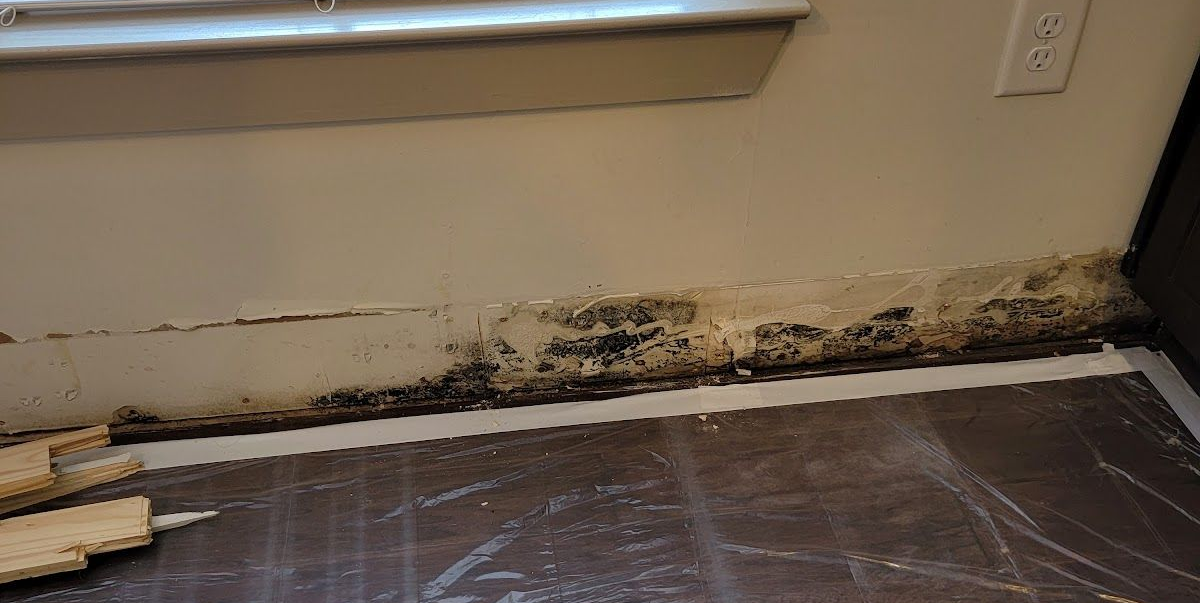
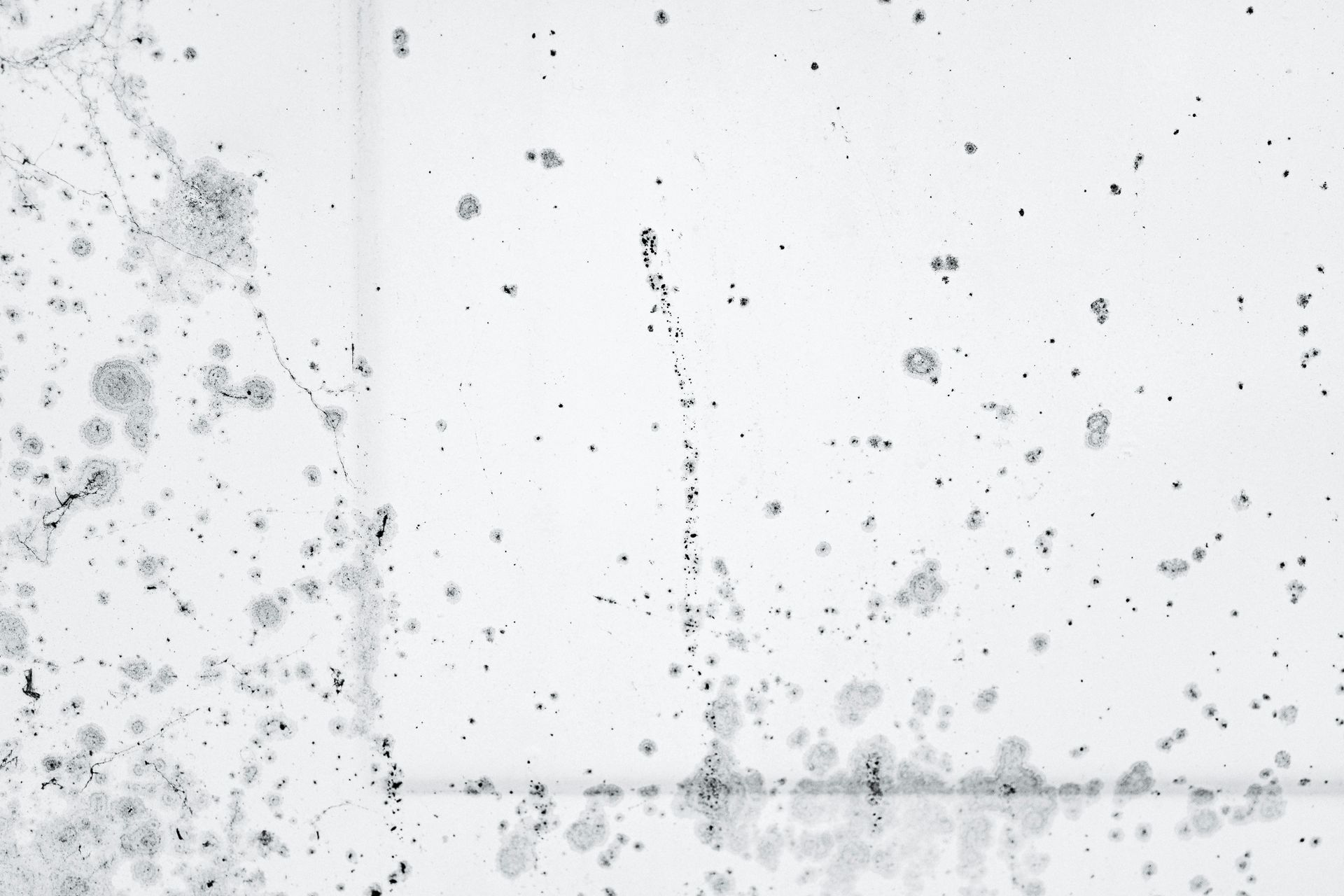
Your sense of smell is your first defense. A persistent, earthy, or musty smell means water is trapped. Wood and drywall are beginning to rot. This scent comes from mold growth. If the smell gets stronger when the AC runs, moisture is likely in your walls. In Duluth, we often blame "basement smell" on the humidity. This is a mistake. A healthy home should not smell damp. If the smell stays after you clean, moisture is feeding mold behind your walls. We provide professional water damage restoration to ensure your family breathes clean, safe air again.
2. Visual Red Flags: Peeling Paint and Warped Baseboards
Drywall and wood soak up water like a sponge. When water stays behind a wall, the drywall swells. This makes your paint bubble or peel. Your baseboards and trim will also start to warp or "cup." "Secondary damage, like mold and rot, starts within 24 to 48 hours of water exposure." — IICRC S500 Standard for Professional Water Damage Restoration. Are your baseboards pulling away from the wall? Do they feel soft? You likely have a slow leak from a pipe or a window. These signs are your final warning before the wood rots.
3. The Utility Bill Spike: Tracking Your Usage
Did your water bill suddenly go up? If your habits did not change, you have a leak. Try a simple test. Turn off all your faucets. Check your water meter. If the dial still moves, water is escaping. This often means you have a "slab leak." These happen in the pipes under your home's foundation. We provide expert water damage removal to stop foundation damage. In the shifting soil of Fulton and Forsyth counties, pipes can crack easily. These leaks waste hundreds of gallons of water every month.
4. Discoloration and "Ghosting"
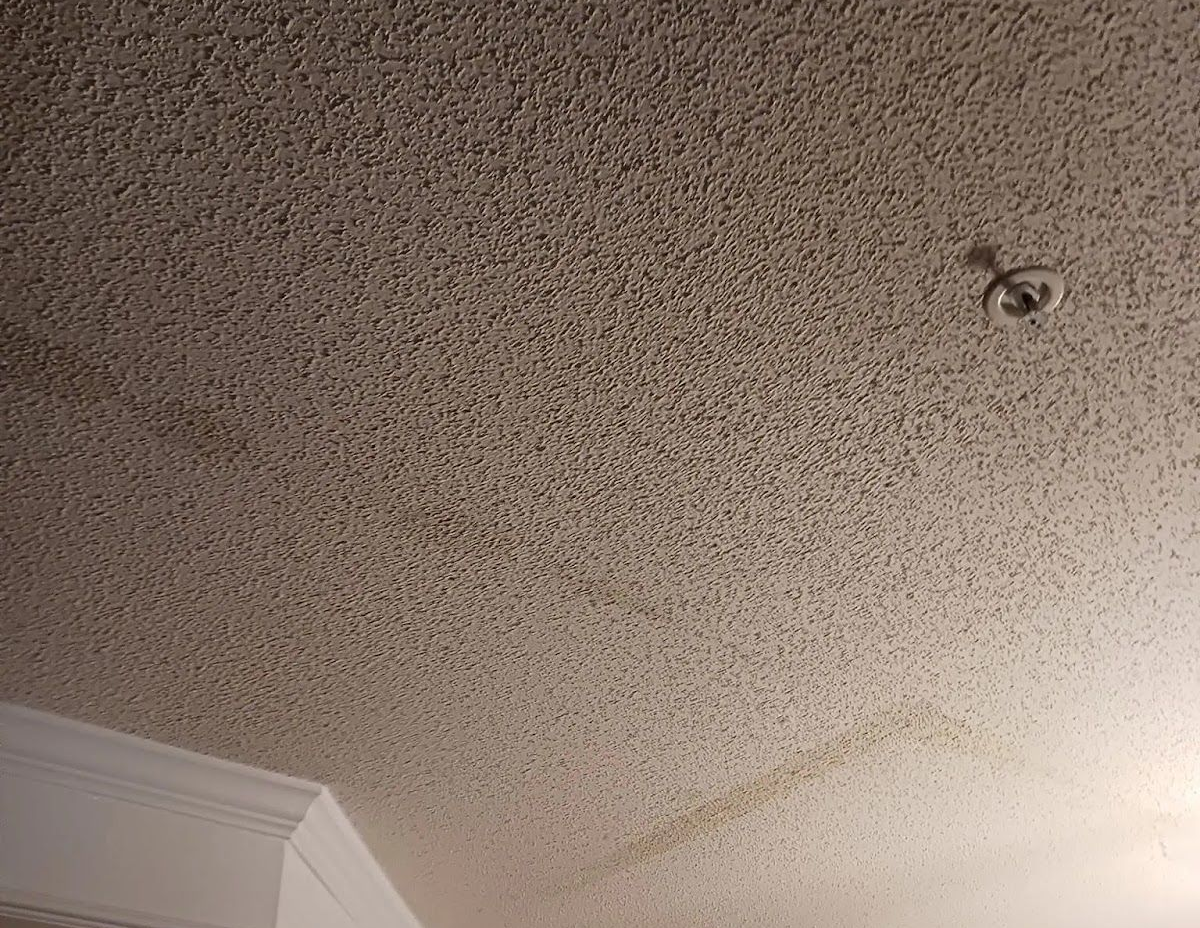
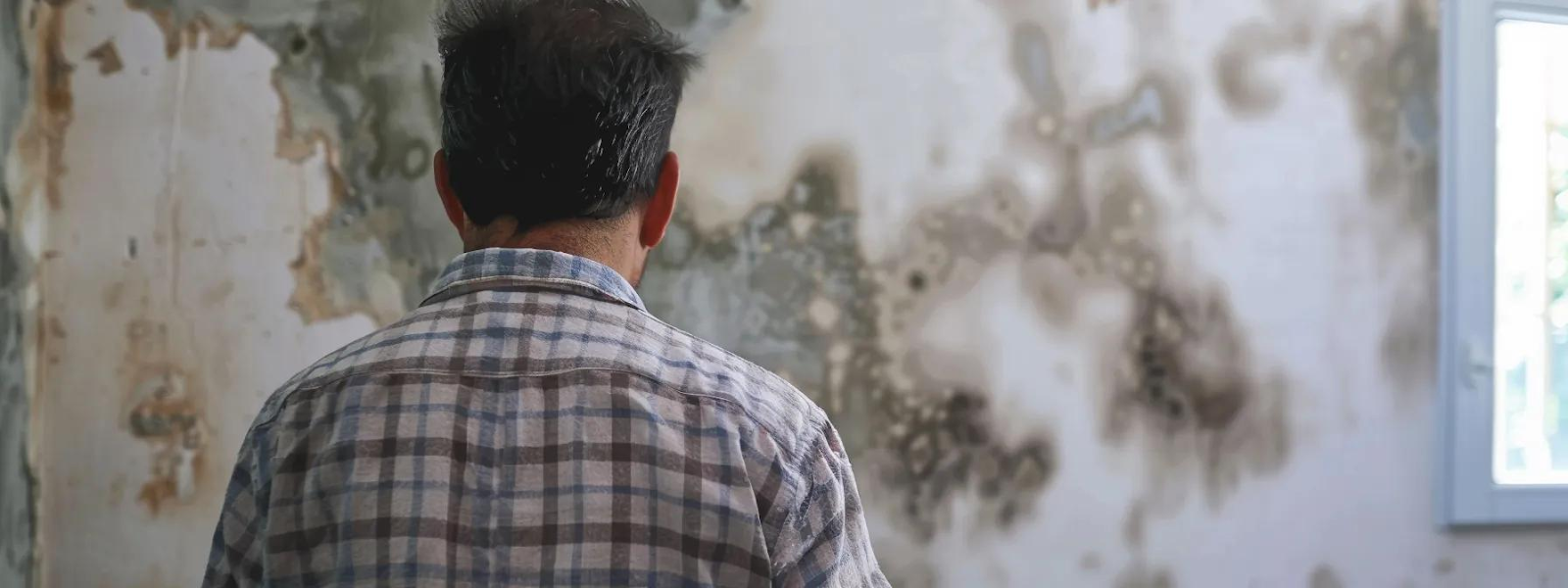
Water stains are rarely clear. They look like yellow or brown rings on your ceiling. In the early stages, you might see "ghosting." These are faint, dark streaks on your walls. This happens when moisture attracts dust to damp spots. We provide structural drying services to dry the inside of your walls. Painting over a stain is just a cover-up. It ignores the threat inside. Real water damage restoration means we verify the wood is dry before we finish.
5. Common Hiding Spots: Where to Look
Hidden water damage starts in places you do not see every day. We know where to look.
Kitchen Appliances
Your fridge and dishwasher use a lot of water. Fridge lines are often made of thin plastic. These lines become brittle and crack over time. Since you rarely move the fridge, a leak can spray for months. This rots your subfloor and makes your kitchen floor sag.
Slab Leaks
Many homes in the Atlanta area sit on concrete slabs. When pipes under the concrete fail, it is a slab leak. You might feel warm spots on the floor. You might hear water running when everything is off. These leaks are dangerous. They wash away the soil under your home.
AC Drain Lines
Your air conditioner works hard in the Georgia heat. It pulls a lot of water from the air. If the drain line clogs, water backs up and spills into your attic or closet. This soaks your insulation and ceiling.
The Science of Detection: How We Find the Water
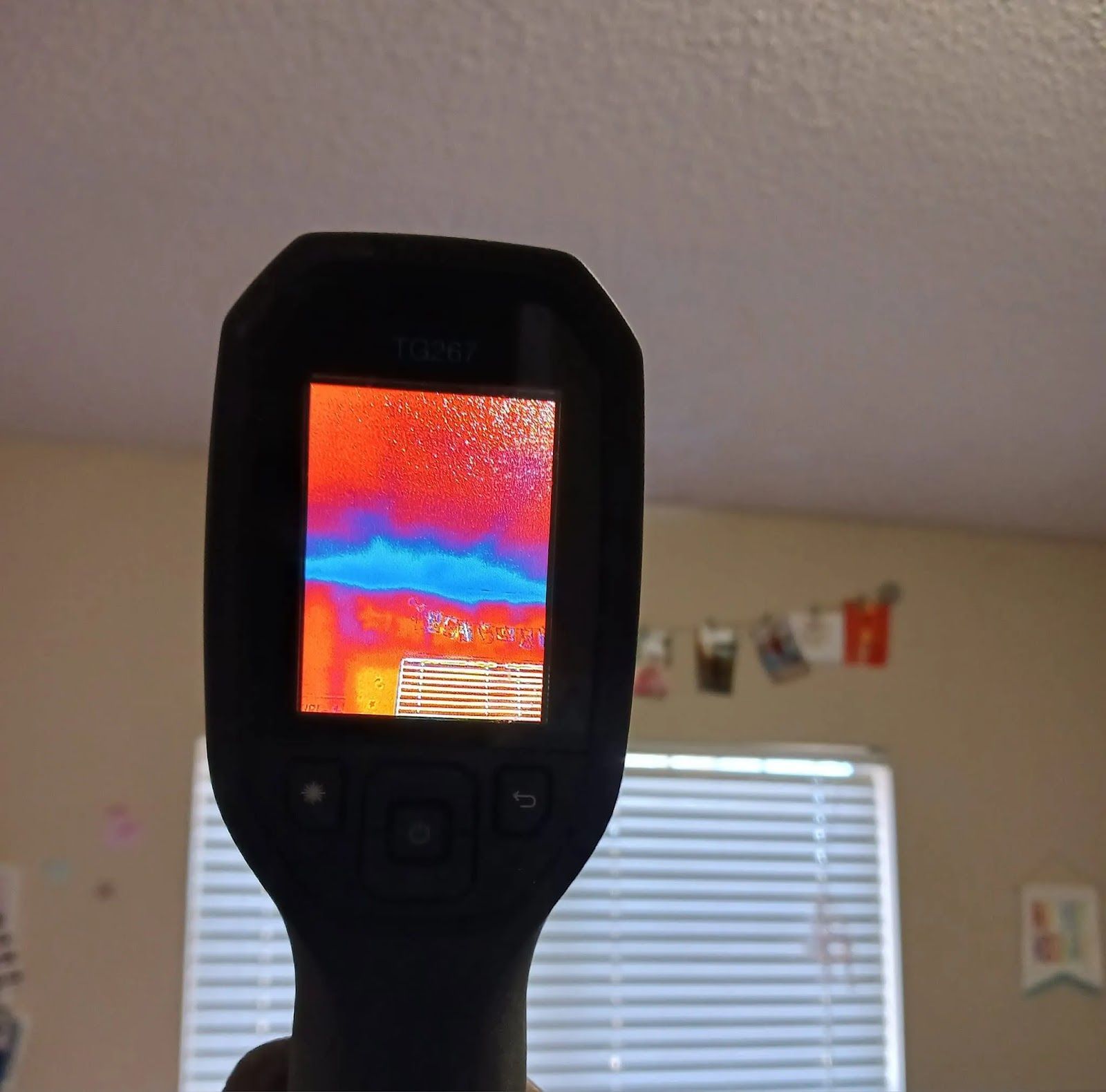
A house fan will not dry a hidden leak. Our water damage restoration teams use high-tech tools. We find the water without tearing your house apart.
Thermal Imaging
We use infrared cameras to see temperature changes. Wet spots are cooler than dry spots. We "see" the water path behind your walls. This lets us find the exact leak source. We find roof leaks and pipe leaks quickly.
Moisture Meters
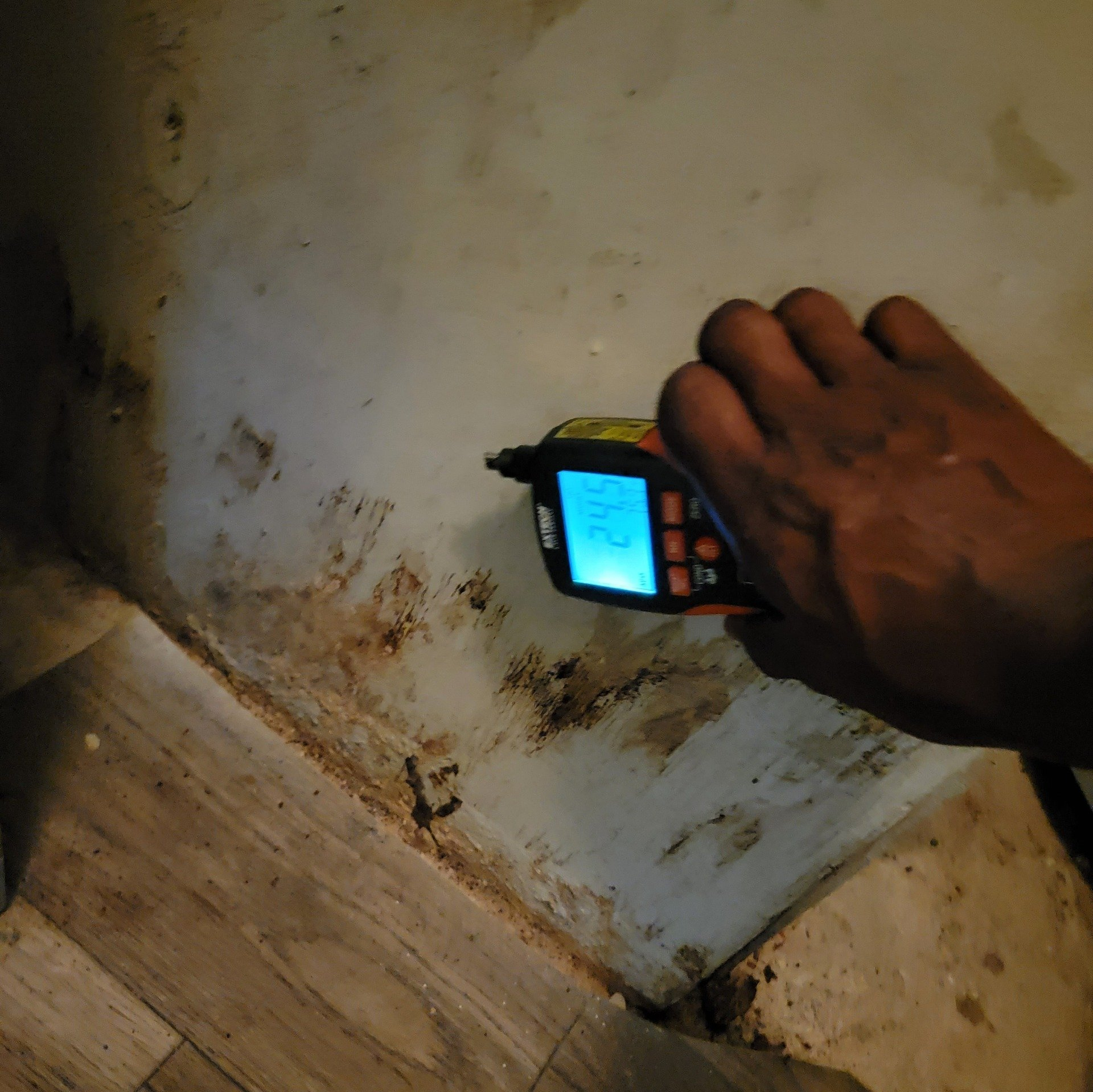
We use special meters to measure moisture in your walls and floors. We determine exactly how much water is trapped. This data helps with your insurance claim. It also proves your home is truly dry when we are done.
The Restoration Timeline: Our Plan for Your Home
When we find hidden water, we act fast. We follow a strict plan to keep you safe.
- Inspection: We use our tools to map the moisture in your home.
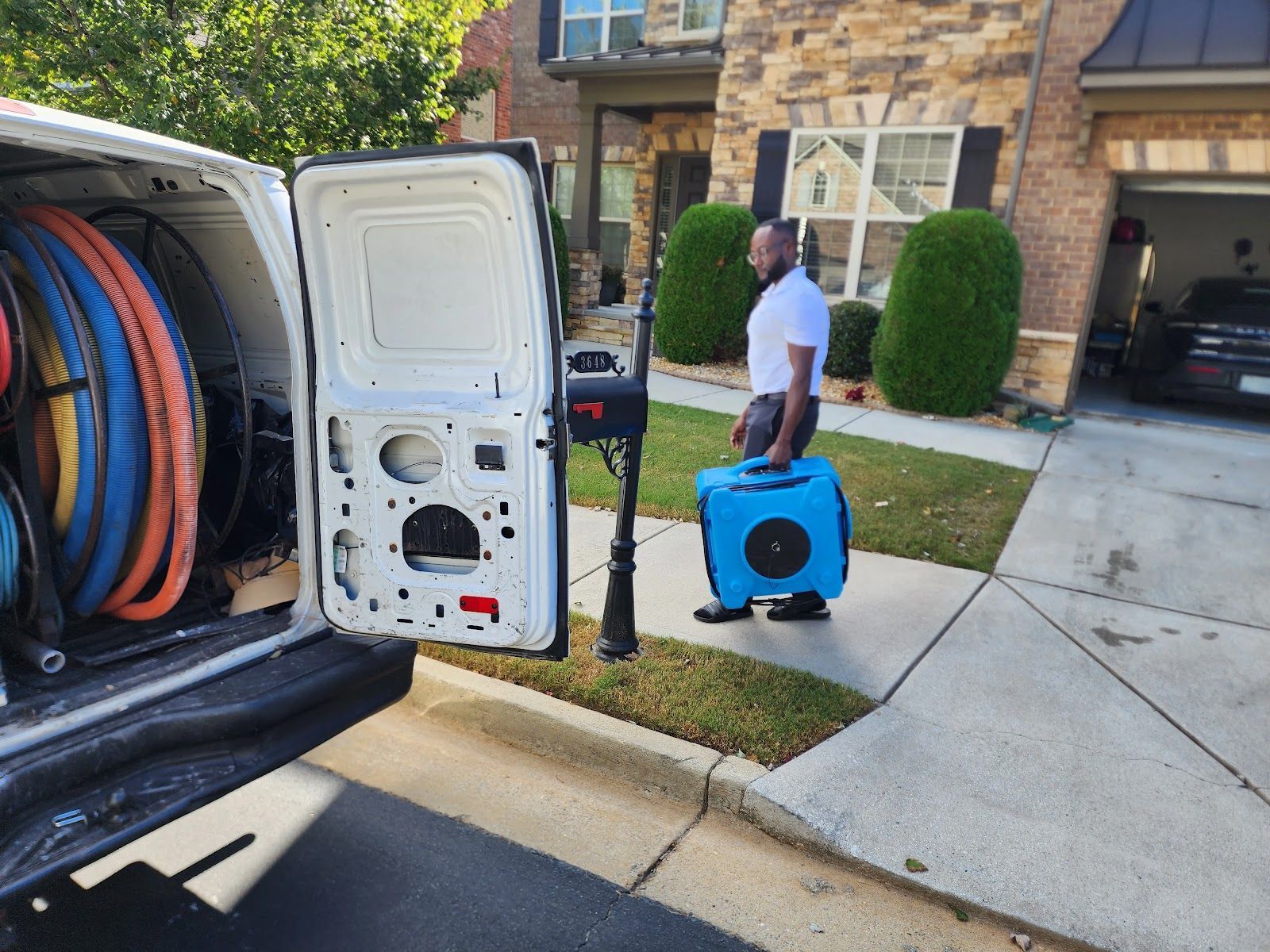
- Extraction: Our IICRC-certified technicians use industrial-grade vacuums to extract standing water.
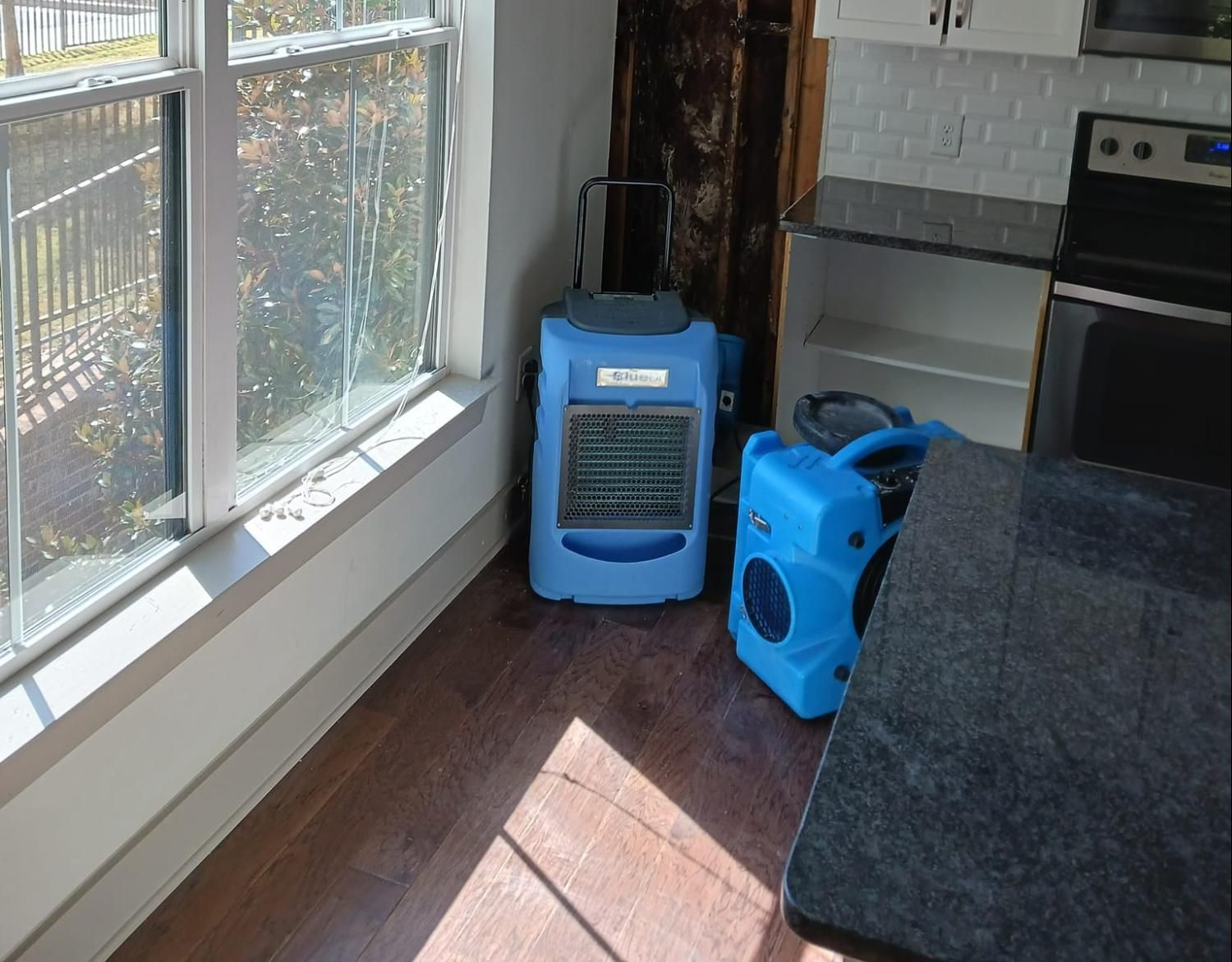
- Stabilization: We start dehumidifiers right away to stop mold.
- Removal: We only remove materials that cannot be dried, like wet insulation.
- Drying: We use high-speed air movers to dry the wood and studs.
- Monitoring: We check the progress every day.
- Final Check: We verify your home is dry and safe.
We also help you understand mold inspection vs remediation. If water sat for two days, you need a mold check. We make sure your air is clean and safe for your family.
Conclusion: We Stop the Damage Before It Spreads
Hidden water damage gets worse every day. A small damp spot becomes a big health hazard. By the time you see the damage, it has already spread. At Peachtree Mitigation, we provide the professional water damage restoration you need, ensuring every drop of moisture is gone. Do not wait for the repair bill to grow. Request Your Free Water Damage Inspection in Duluth