Is Your Business at Risk? Top 5 Signs You Need Commercial Mold Testing
Visible and hidden mold growth pose serious commercial risks, jeopardizing employee health, disrupting operations, and diminishing property value.
This article from Peachtree Mitigation, Duluth mold testing specialist, covers the top five indicators that signal it's time for a professional inspection, how our experts diagnose issues, and when testing is crucial versus when immediate remediation is best.
Business owners and facility managers will find practical steps to protect their team and assets.
TL;DR — Is Your Business at Risk? Top 5 Signs You Need Commercial Mold Testing
- Visible mold on walls, ceilings, tiles, or drywall demands immediate inspection
- Persistent musty odors hint at hidden growth in walls, floors, or HVAC
- Any history of leaks, flooding, or condensation raises mold risk within 24–48 hours
- Clusters of employee cough, congestion, or headaches suggest indoor air quality issues
- Humidity above 60% or recurring condensation creates prime conditions for mold
1. Spotting Visible Mold Growth
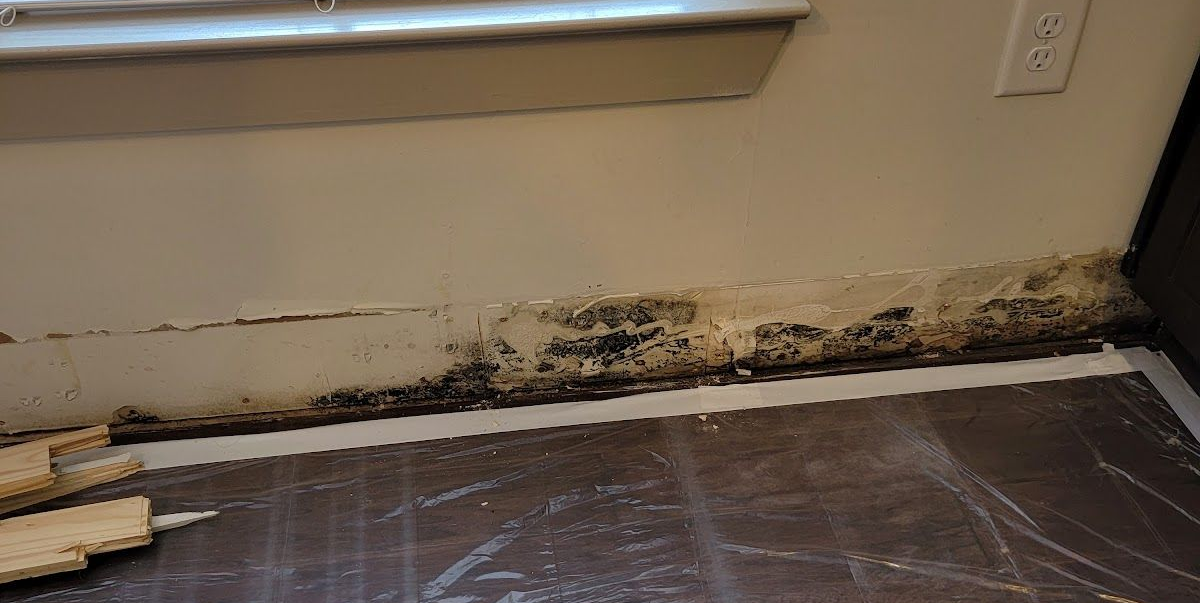
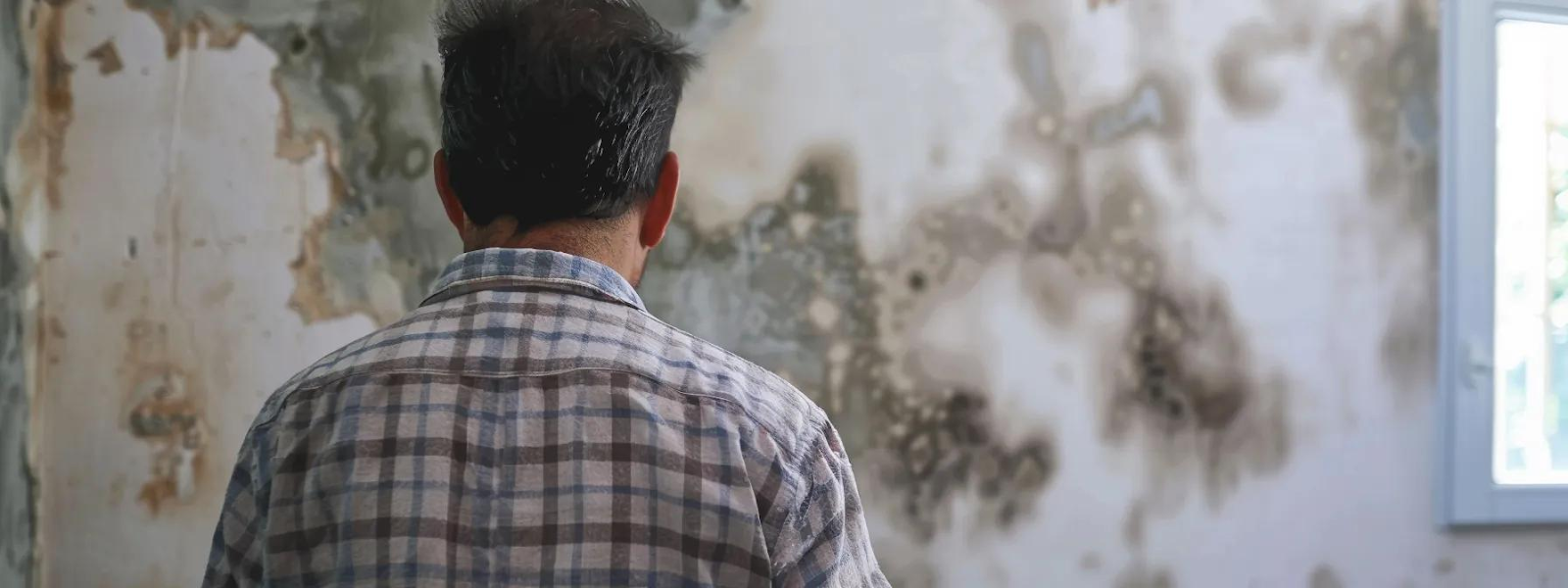
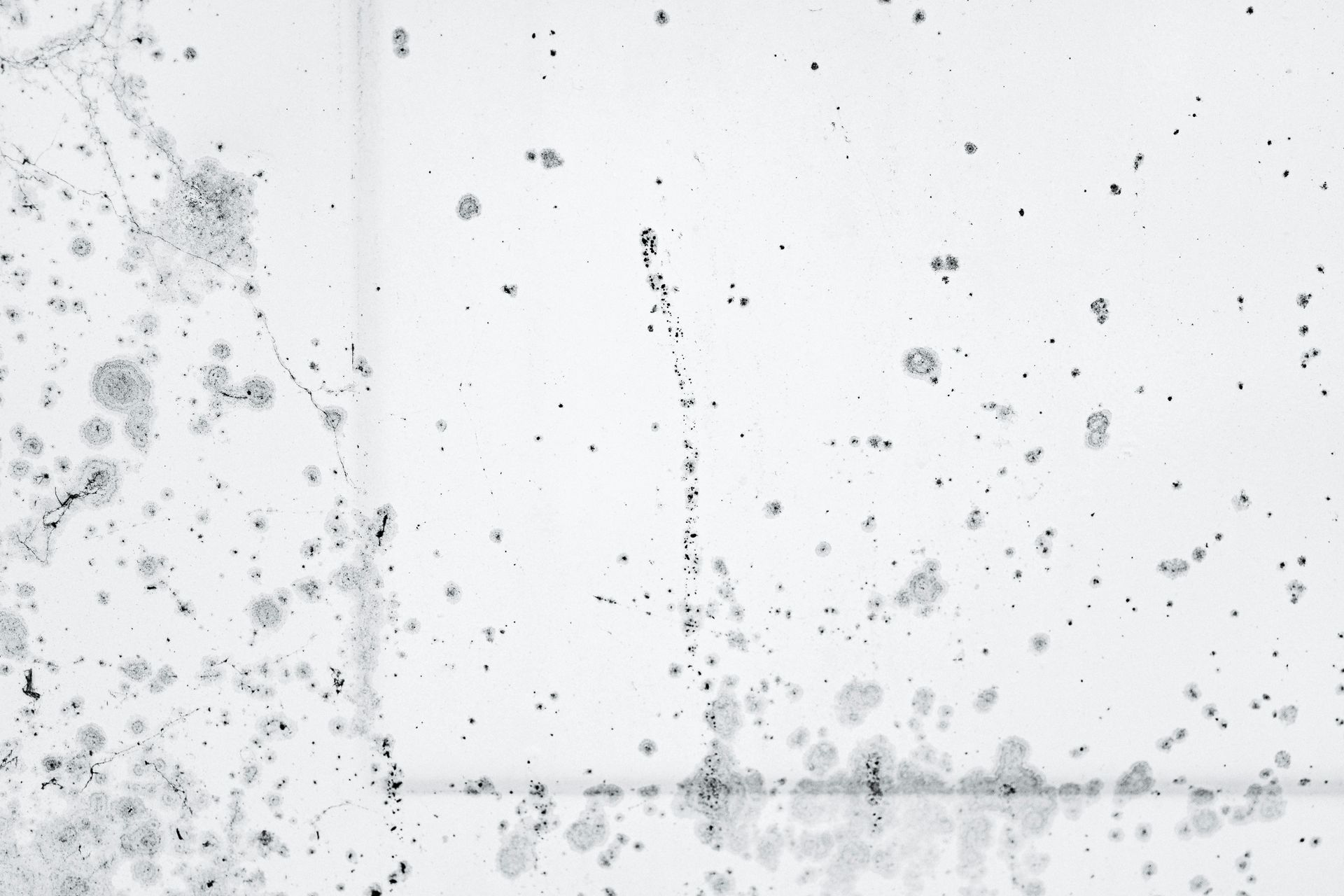
Visible mold growth on any surface is the clearest indicator that your commercial property urgently needs a professional mold inspection.
Discoloration, fuzzy patches, or stubborn staining on materials like ceiling tiles or drywall signify active microbial colonies.
Early detection allows for isolation, documentation, and containment to prevent spread. Addressing visible growth means prioritizing safety and moving swiftly to diagnostic moisture mapping to uncover hidden contamination.
Where to Look: Common Visible Mold Locations in Commercial Buildings
Common places to find visible mold often point to chronic moisture sources like roof leaks or plumbing failures.
In offices, ceiling tiles and voids above drop ceilings frequently conceal growth. Warehouses might find mold near loading docks or on stored inventory. Retail and food-service businesses commonly encounter mold in restrooms or beneath sink cabinets.
A photographic checklist of these high-risk zones can guide inspectors.
2. The Unmistakable Sign: Persistent Musty Odors
A persistent, musty odor within your commercial building often signals hidden mold growth, even without visible colonies.
Molds release volatile organic compounds (VOCs) that create these tell-tale odors, typically stemming from cavity walls, ductwork, or under flooring where moisture supports microbial proliferation.
If a musty smell lingers, it's a critical diagnostic cue to inspect concealed voids and the HVAC system. Professional testing can prevent widespread contamination and safeguard indoor air quality.
How to Distinguish Mold-Related Musty Odors from Other Smells
Mold-related odors are typically earthy, damp, and persistent. Checking ventilation, isolating zones, and noting if the smell intensifies near vents or walls can point to ductwork or hidden cavity sources.
Documenting these observations helps inspectors determine if air sampling or targeted intrusion is necessary.
3. The Critical Factor: Your Building's Water Damage History
Any past water intrusion dramatically increases the potential for mold and almost always warrants a professional commercial mold testing.
Water events create ideal, moisture-rich environments where mold can colonize within 24–48 hours. Businesses should view any history of water damage as a critical red flag and promptly schedule moisture mapping and, if necessary, commercial mold testing.
| Water Event Type | Typical Risk Level | Recommended Next Step |
|---|---|---|
| Minor isolated leak | Low to moderate | Document, dry thoroughly, monitor for 48–72 hours |
| Chronic condensation | High | Moisture mapping and targeted inspection of HVAC and insulation |
| Major flood or standing water | Very high | Immediate inspection and likely testing plus structural drying |
Understanding the Mold Risk Timeline After Water Intrusion
Mold growth can begin within 24–48 hours if materials remain wet. Immediate actions should include stopping the water source, isolating affected areas, and initiating structural drying, all while thoroughly documenting for insurers and inspectors.
Rapid documentation accelerates diagnostic decisions and helps determine if sampling is necessary.
4. Employee Health Symptoms: A Key Indicator of Indoor Air Quality Issues

When several employees consistently report similar respiratory or allergic symptoms localized to a specific workplace area, it strongly indicates indoor air quality problems linked to mold.
Common complaints include persistent coughing, wheezing, nasal congestion, and headaches that worsen at work.
Tracking symptom onset, affected zones, and improvement off-site provides crucial data for inspectors to correlate health reports with environmental measurements, strengthening the case for targeted IAQ testing.
| Reported Symptom | Possible Environmental Cause | Recommended Action |
|---|---|---|
| Coughing or wheeze | Airborne spores or HVAC contamination | IAQ testing and HVAC inspection |
| Recurrent headaches | VOCs from microbial metabolism | Air sampling and surface assessment |
| Allergic reactions | Elevated fungal spores in occupied zones | Targeted surface/air sampling and isolation |
Documenting Employee Health Complaints for a Mold Inspector
Businesses should meticulously record dates, times, affected employees, detailed symptom descriptions, and any spatial correlations.
This structured documentation empowers inspectors to prioritize sampling where exposure seems most acute and supports communication with occupational health or insurers.
5. High Humidity & Condensation: Prime Conditions for Mold Growth
Sustained indoor relative humidity consistently above 60% and visible condensation create ideal conditions for mold growth. These signs should immediately trigger a professional inspection and ongoing monitoring.
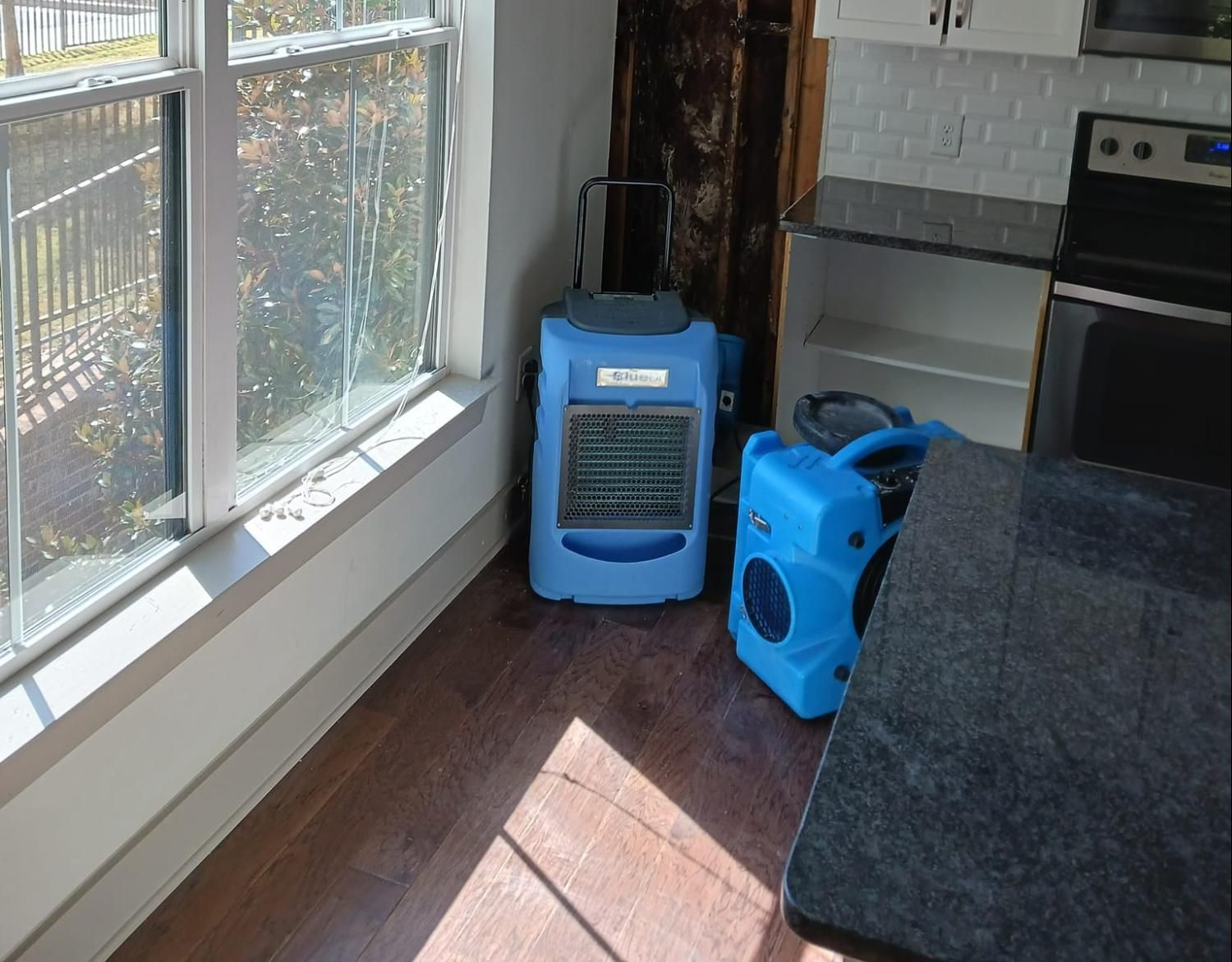
Humidity issues often stem from imbalanced HVAC systems or insufficient ventilation. Addressing elevated humidity involves immediate solutions like dehumidifiers and strategic HVAC adjustments to inhibit microbial proliferation.
Proactive monitoring protects building materials and reduces the likelihood of costly remediation.
Effective Humidity Monitoring for Commercial Buildings
Effective humidity monitoring involves using wall-mounted hygrometers and data loggers in high-risk zones. Setting clear alert thresholds (e.g., above 60% RH) prompts action.
Regularly reviewing data reveals trends that inform HVAC setpoint changes or improved ventilation strategies. Consistent monitoring is a powerful preventative measure.
What to Expect: Our Commercial Mold Testing & Inspection Process
At Peachtree Mitigation, a commercial mold testing inspection begins with a visual survey, followed by precise moisture mapping, targeted sampling, comprehensive laboratory analysis, and culminates in a detailed report with recommended actions.
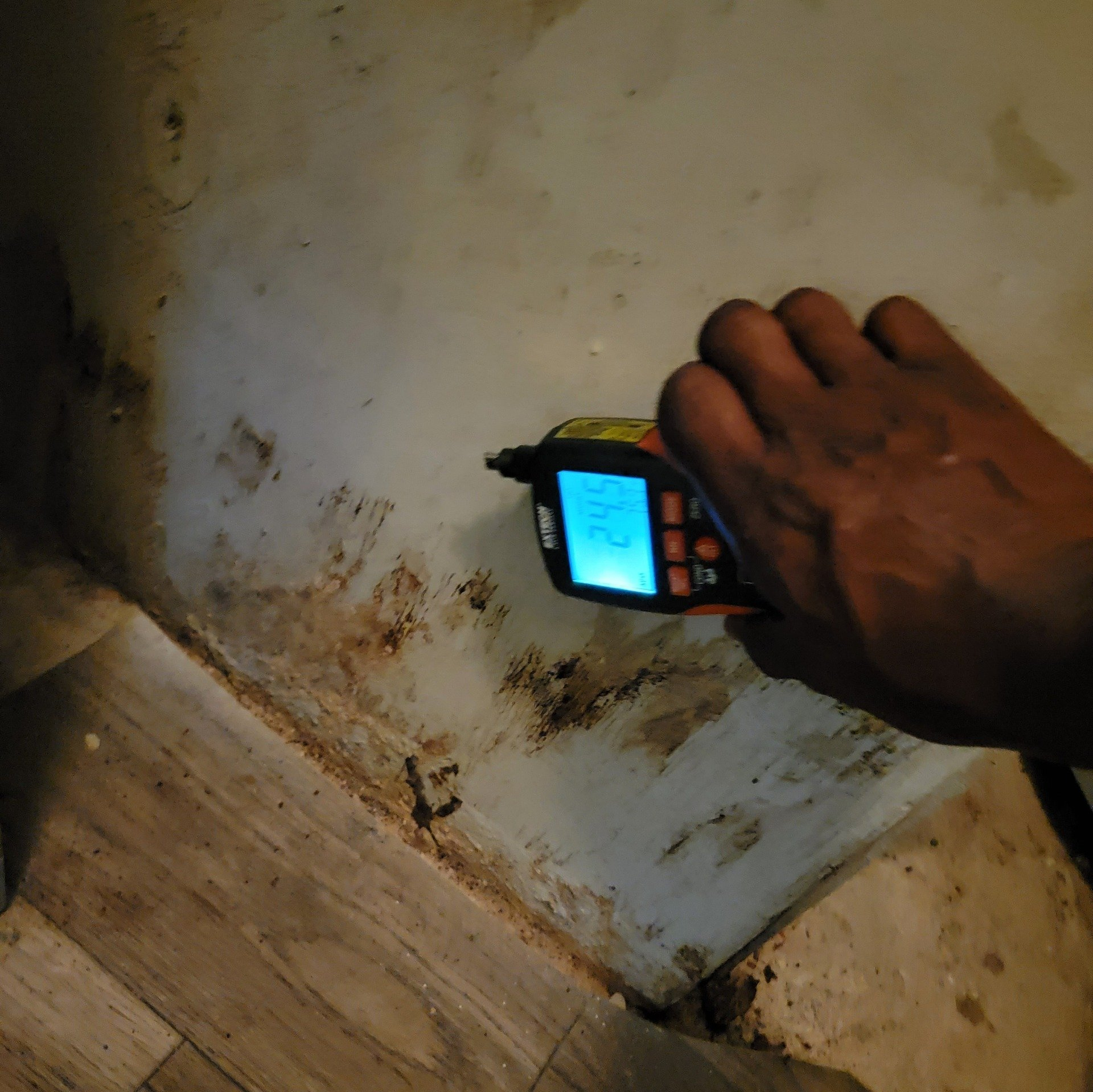
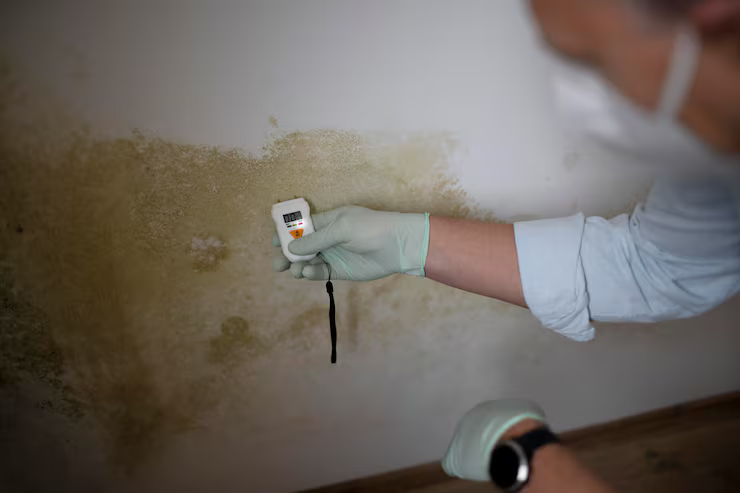
Our certified inspectors use advanced tools like moisture meters and thermal imaging to detect hidden wetness and interpret lab results. The outcome is a prioritized action plan outlining whether remediation, HVAC cleaning, or continued monitoring is required.
| Diagnostic Component | Tools Used | Typical Outcome |
|---|---|---|
| Visual Inspection | Flashlight, borescope | Identify visible colonies and suspect voids |
| Moisture Mapping | Moisture meter, thermal camera | Locate wet materials and HVAC condensation |
| Sampling | Air samplers, swabs | Lab confirmation of fungal species and spore counts |
Testing vs. Immediate Remediation: Making the Right Choice
Testing is invaluable when visual evidence is ambiguous, when odors or health complaints suggest hidden contamination, or when official documentation is required.
Immediate remediation is appropriate when extensive visible mold threatens structural materials or is actively spreading, posing an immediate health risk.
Our inspectors recommend sampling when results directly influence the response plan or when post-remediation clearance verification is essential.
How Peachtree Mitigation Delivers Expert Commercial Mold Inspection in North Georgia
For facilities concerned about indoor air quality or employee health, a professional inspection is the essential first step toward minimizing downtime and mitigating liability.
Peachtree Mitigation provides comprehensive commercial mold inspection and testing services tailored for business properties. We combine thorough visual surveys, precise moisture mapping, and strategic sampling with clear, practical remediation pathways.
Scheduling an inspection with us equips your business with clear reports and expert recommended next steps for mold testing in Duluth.
When you contact Peachtree Mitigation, expect prompt scheduling, a thorough on-site assessment, and the use of industry-standard diagnostic equipment.
Our inspections include detailed documentation, sampling if required, and a comprehensive report outlining prioritized actions.
We’ll work closely with facility managers to minimize disruption, provide expert recommendations, and ensure complete follow-through with verification testing.
Conclusion
Recognizing the critical signs for commercial mold testing is paramount for safeguarding your business and employees.
Proactively addressing visible mold, persistent musty odors, water damage history, employee health symptoms, and high humidity levels effectively mitigates significant risks.
Prioritizing professional inspections with Peachtree Mitigation ensures an expert approach to maintaining superior indoor air quality and optimal operational efficiency.
Contact us today to schedule your comprehensive mold inspection and secure a healthier, safer work environment.